
Fenway Farms: The Other Green Monster at Fenway Park
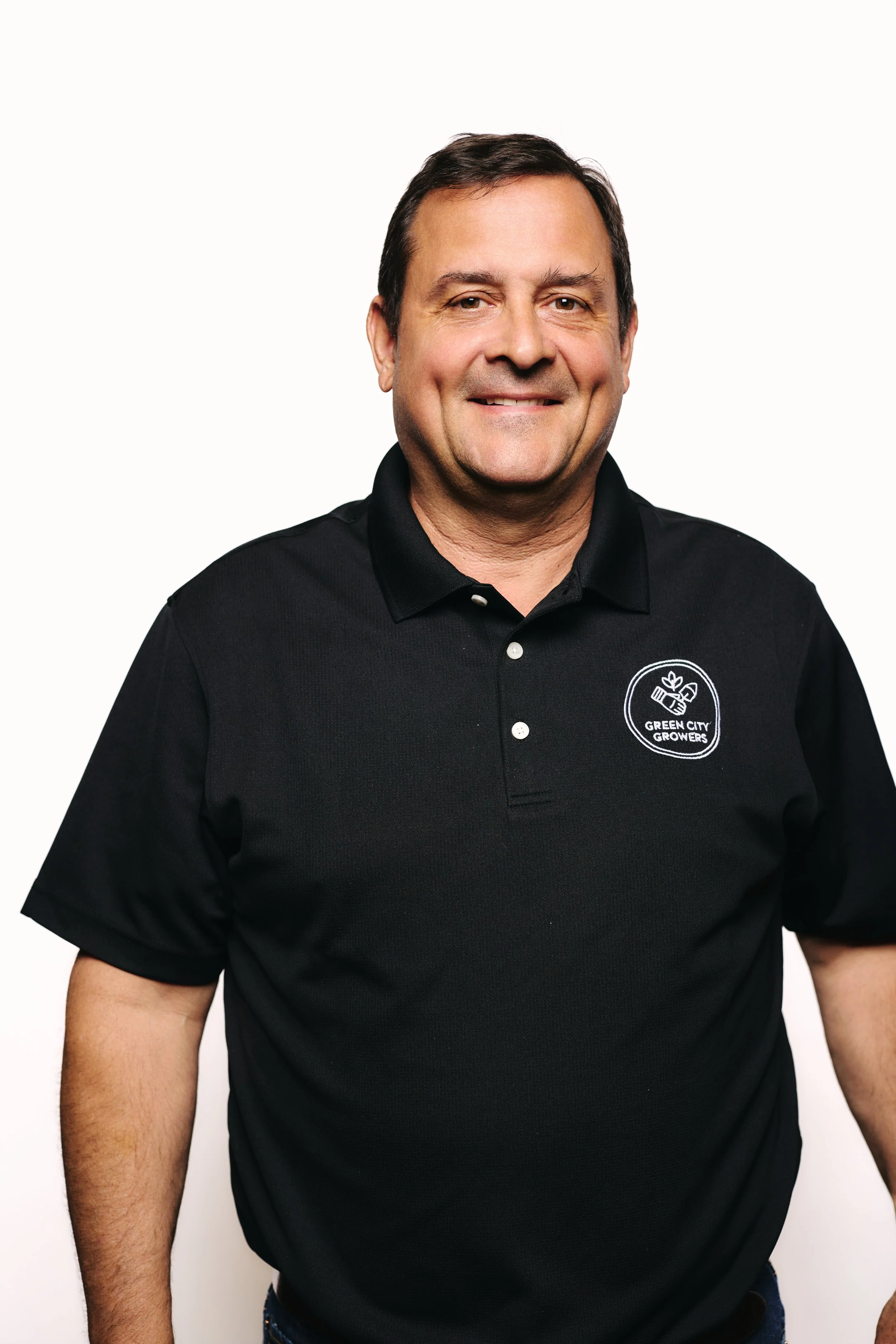
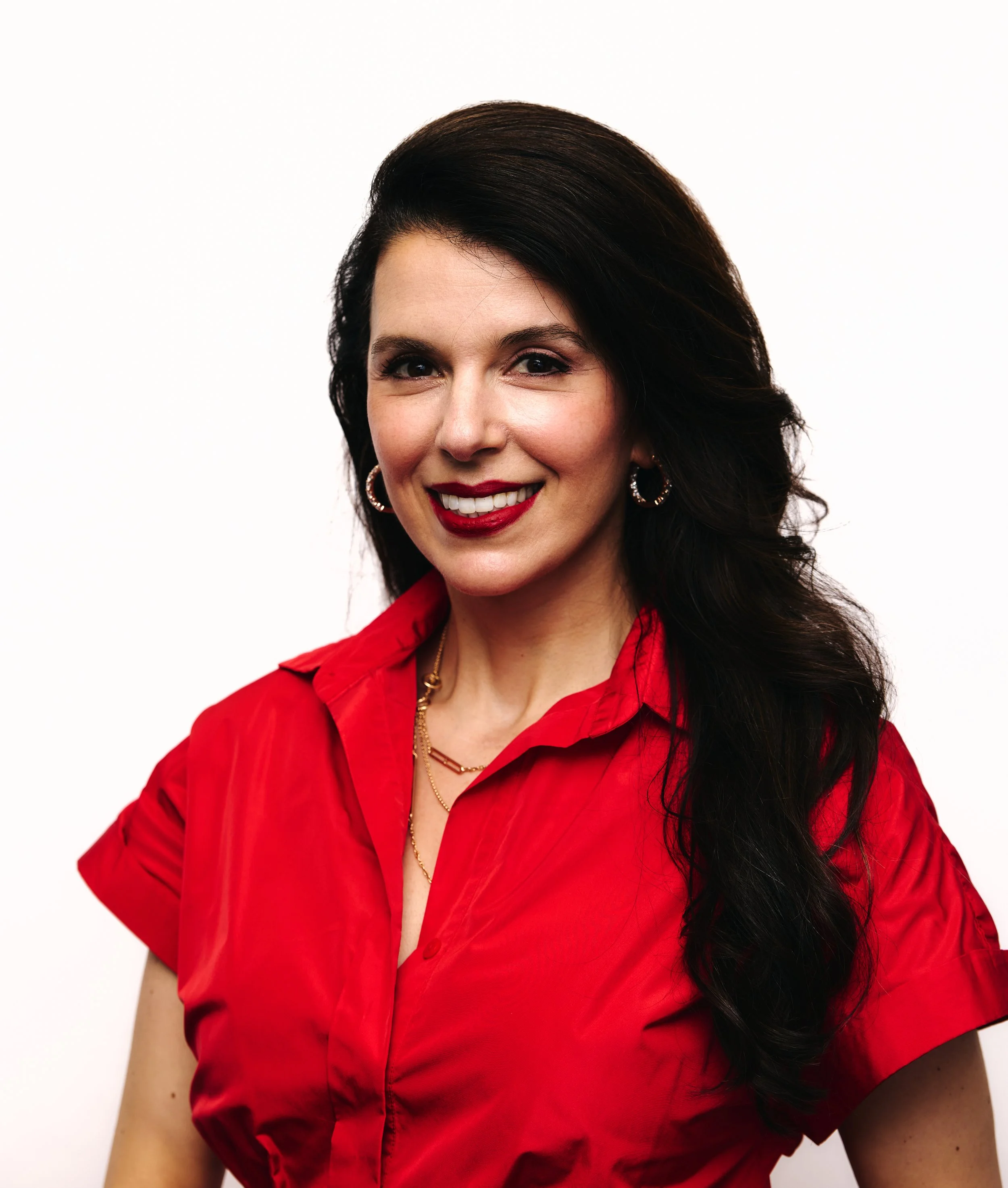
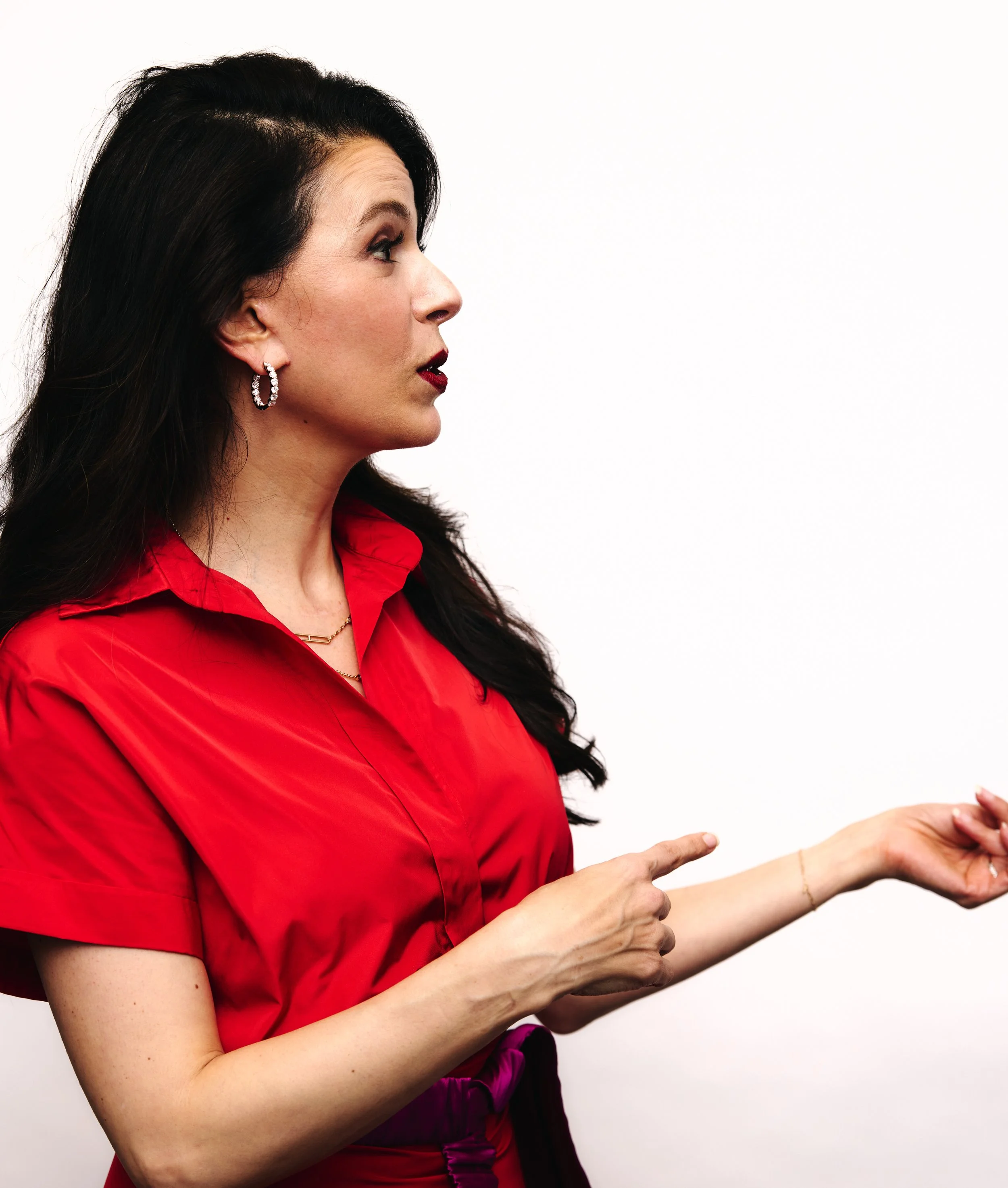
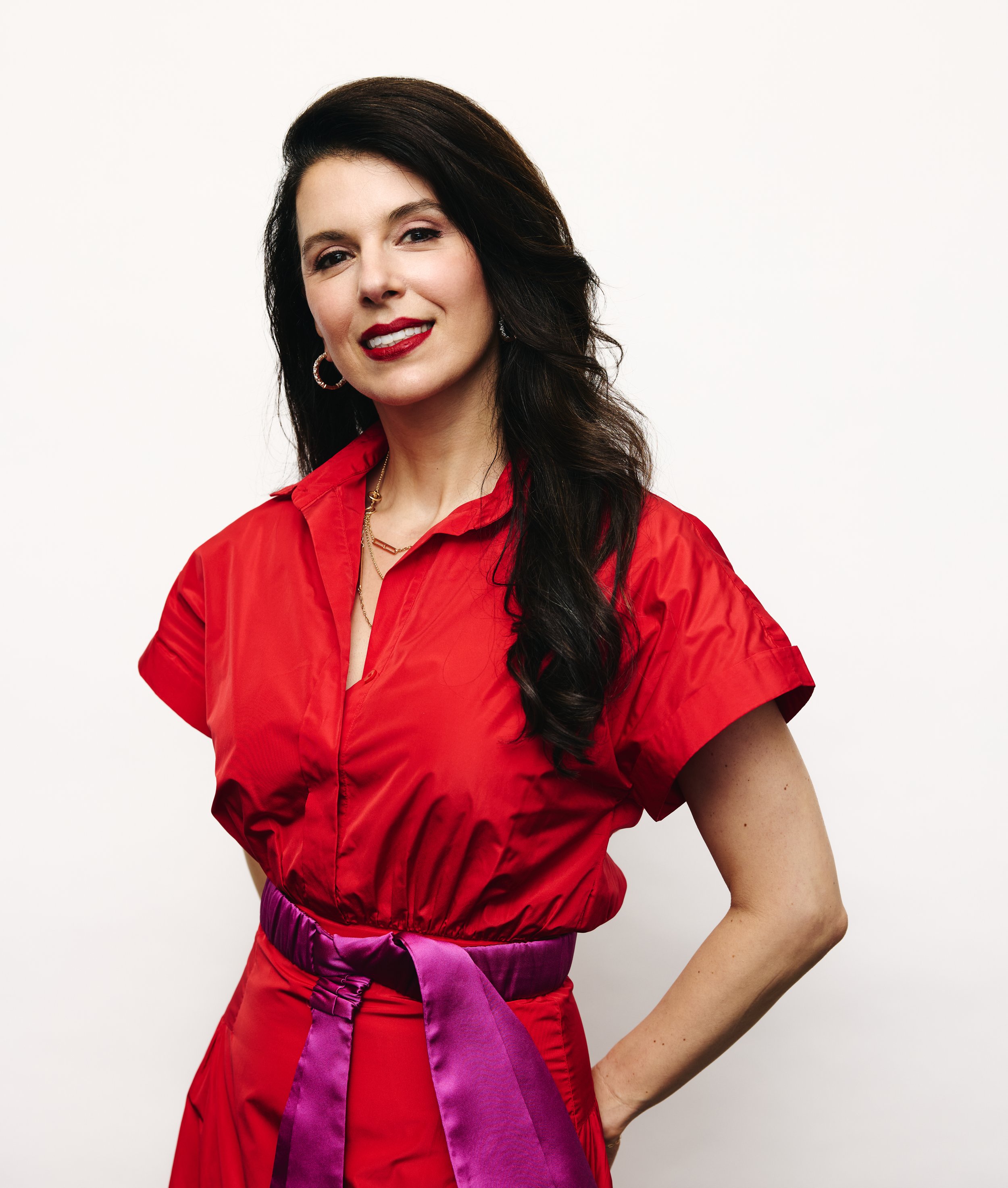
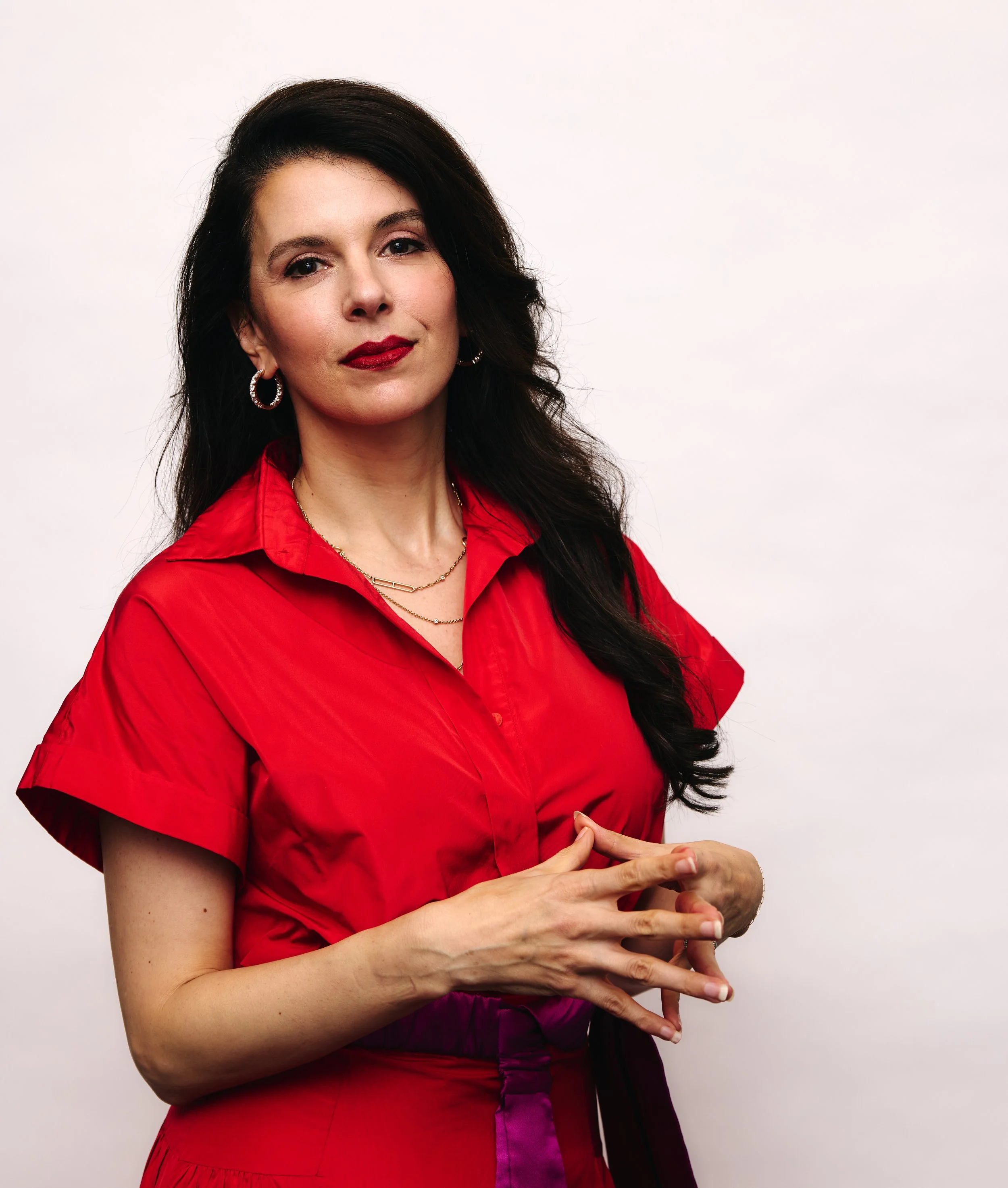
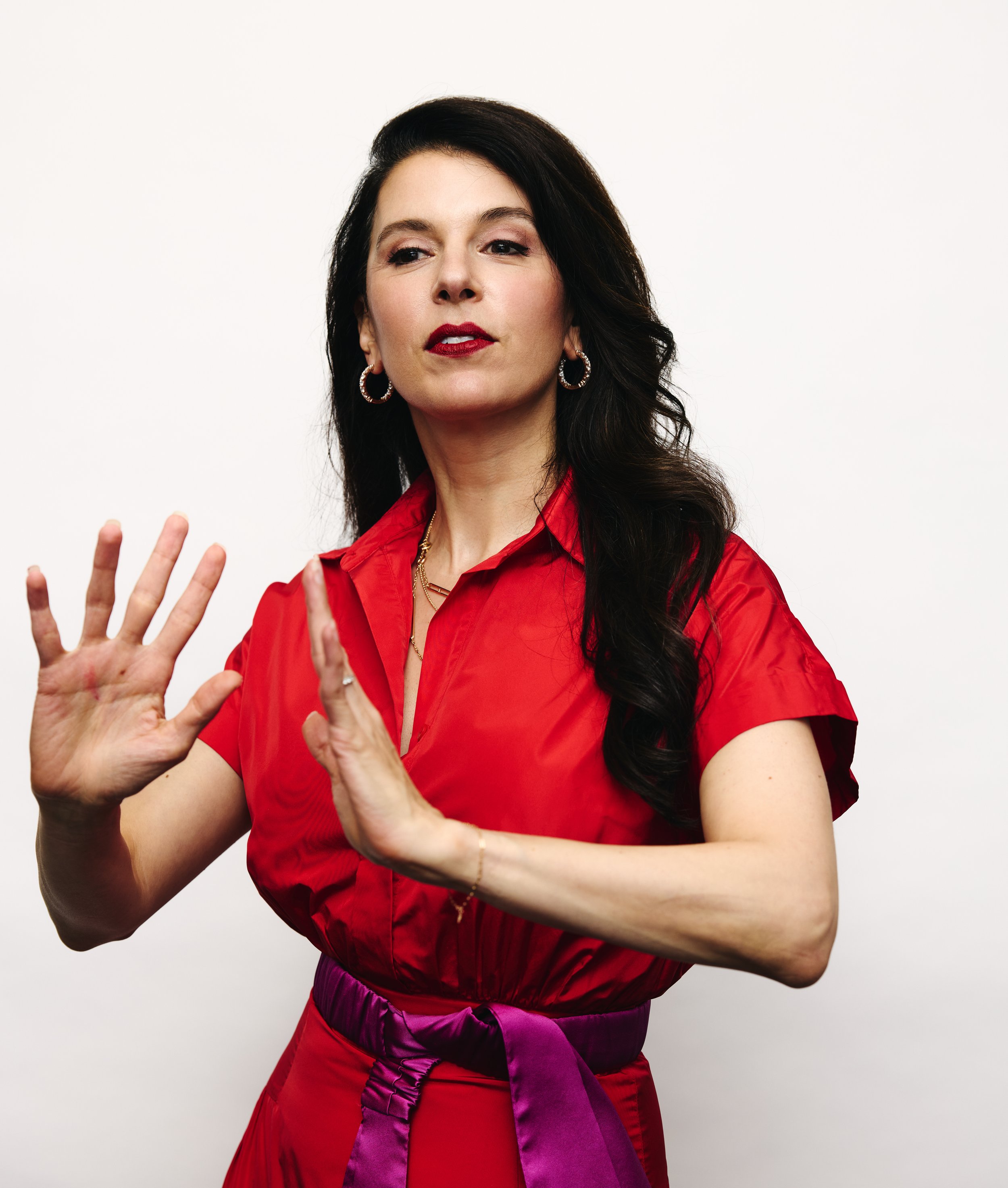
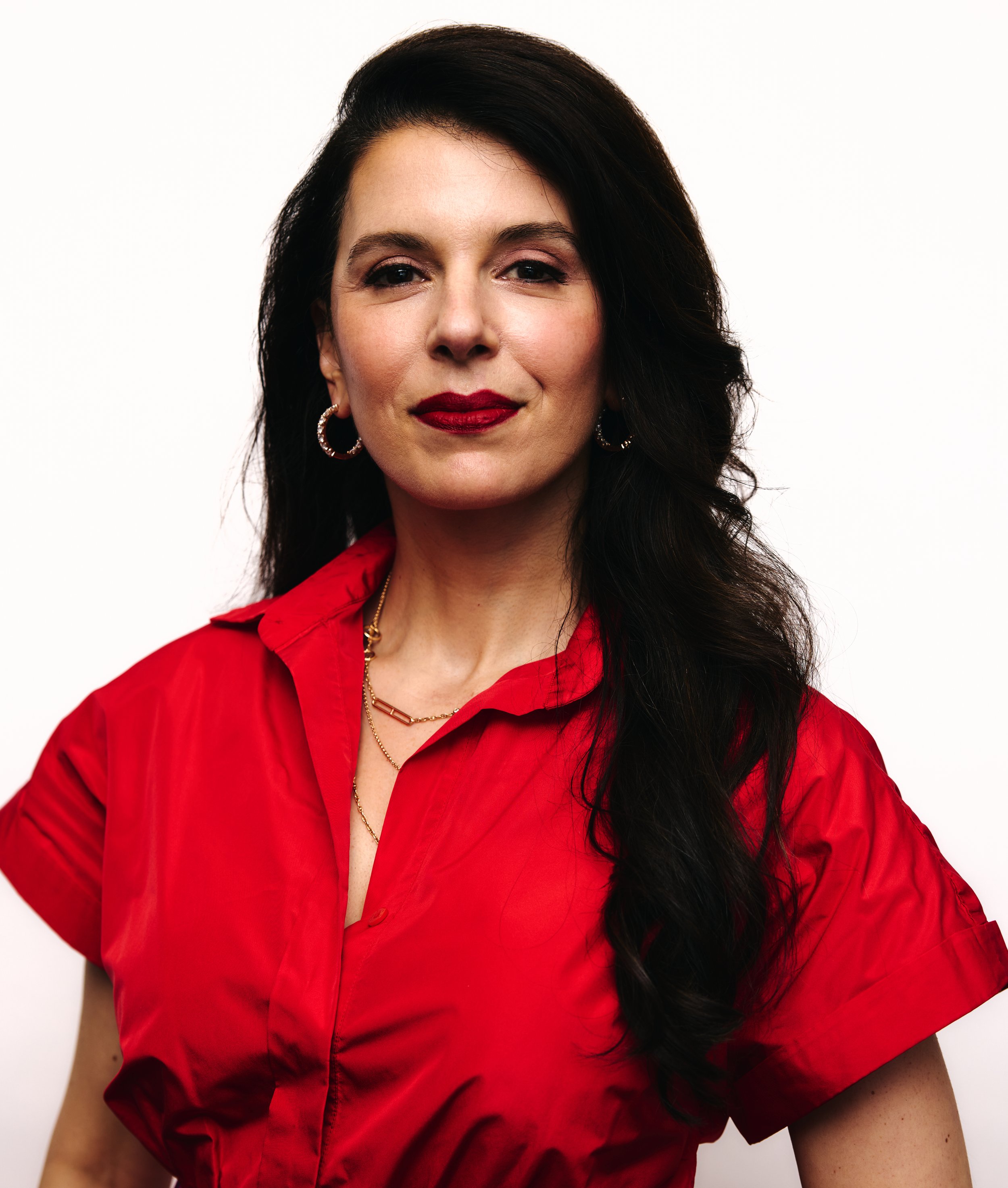
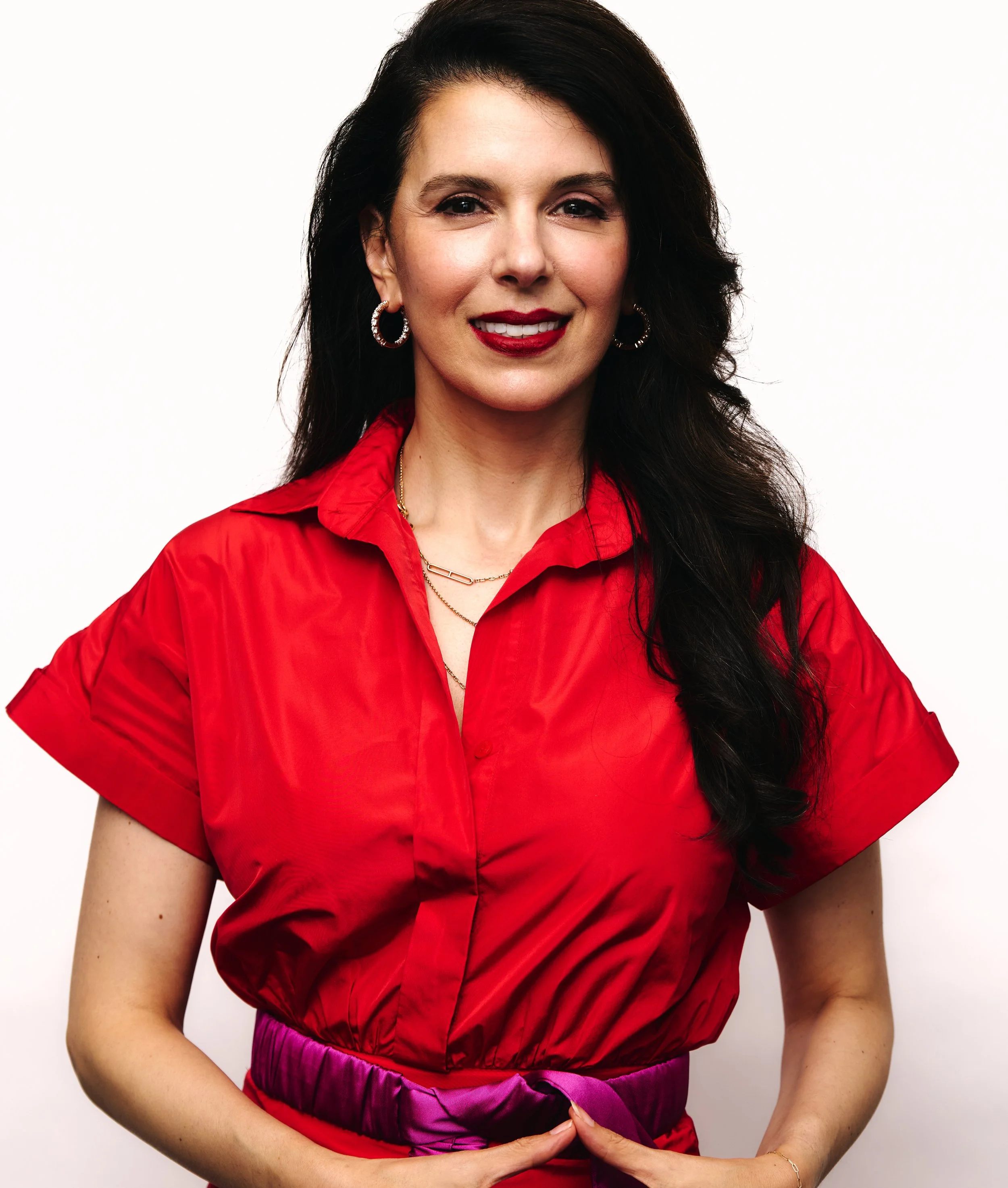
A Conversation with Linda Pizzuti Henry, Publisher of the Boston Globe,
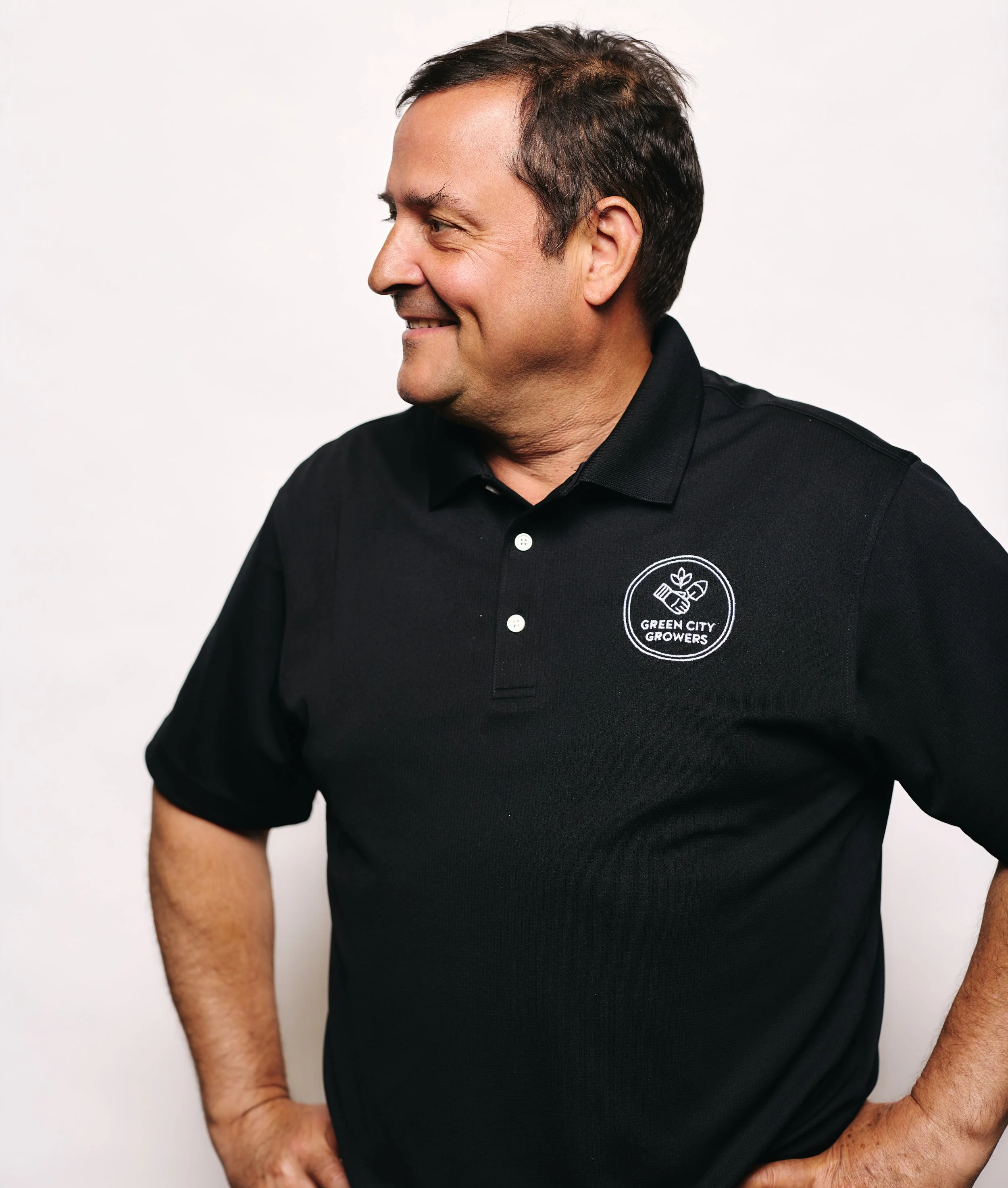
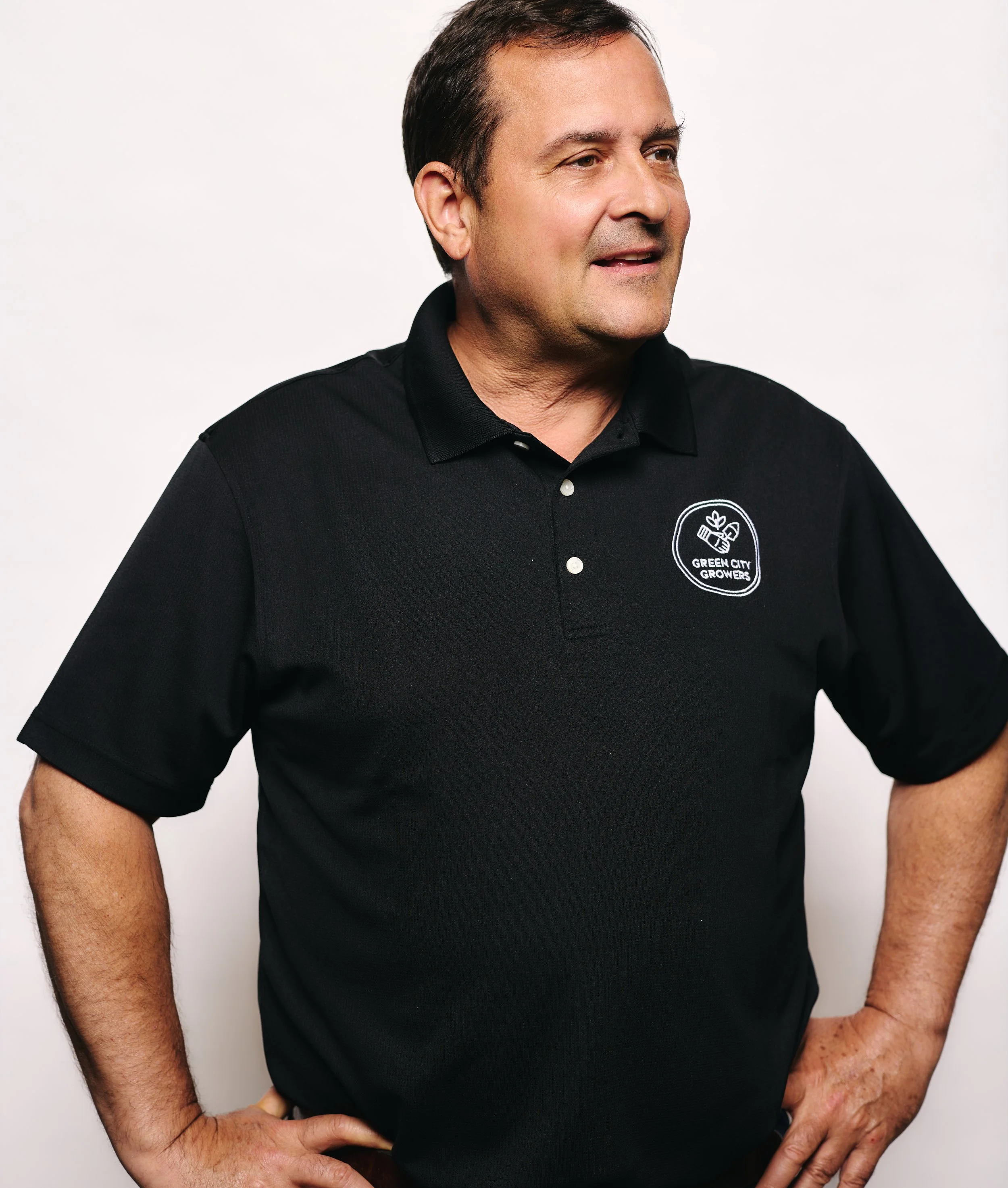
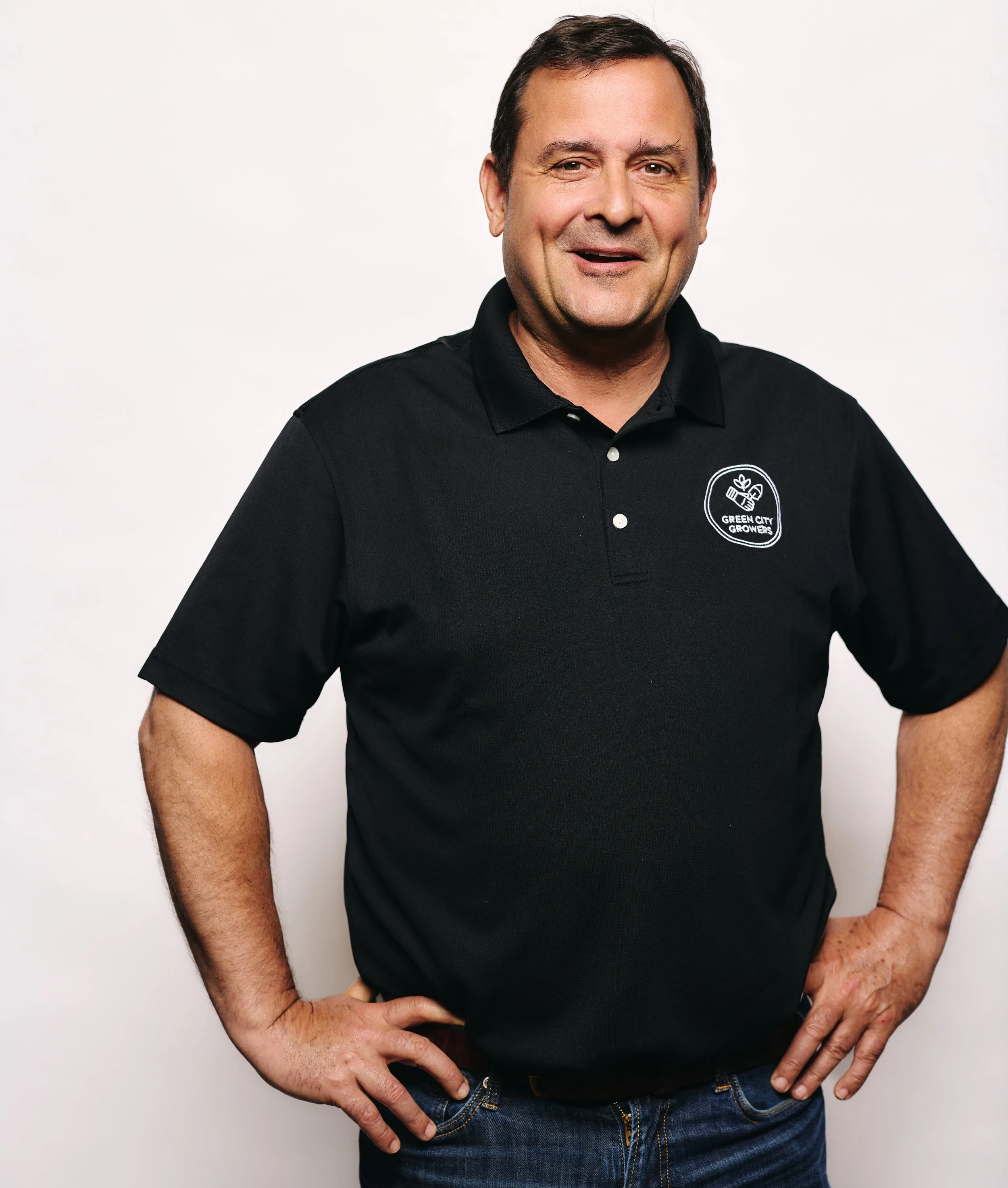
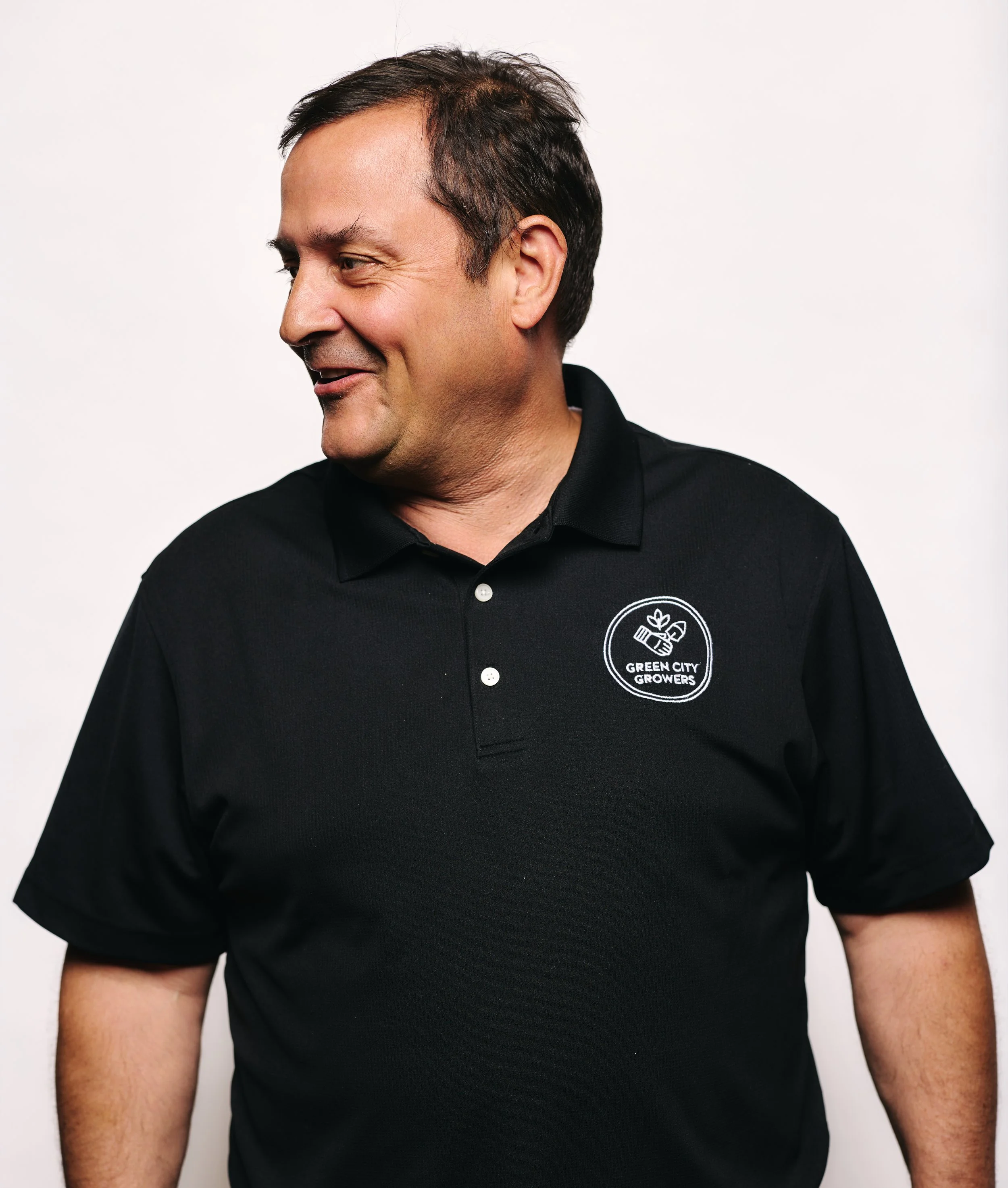
and Christopher Grallert, CEO of Green City Growers
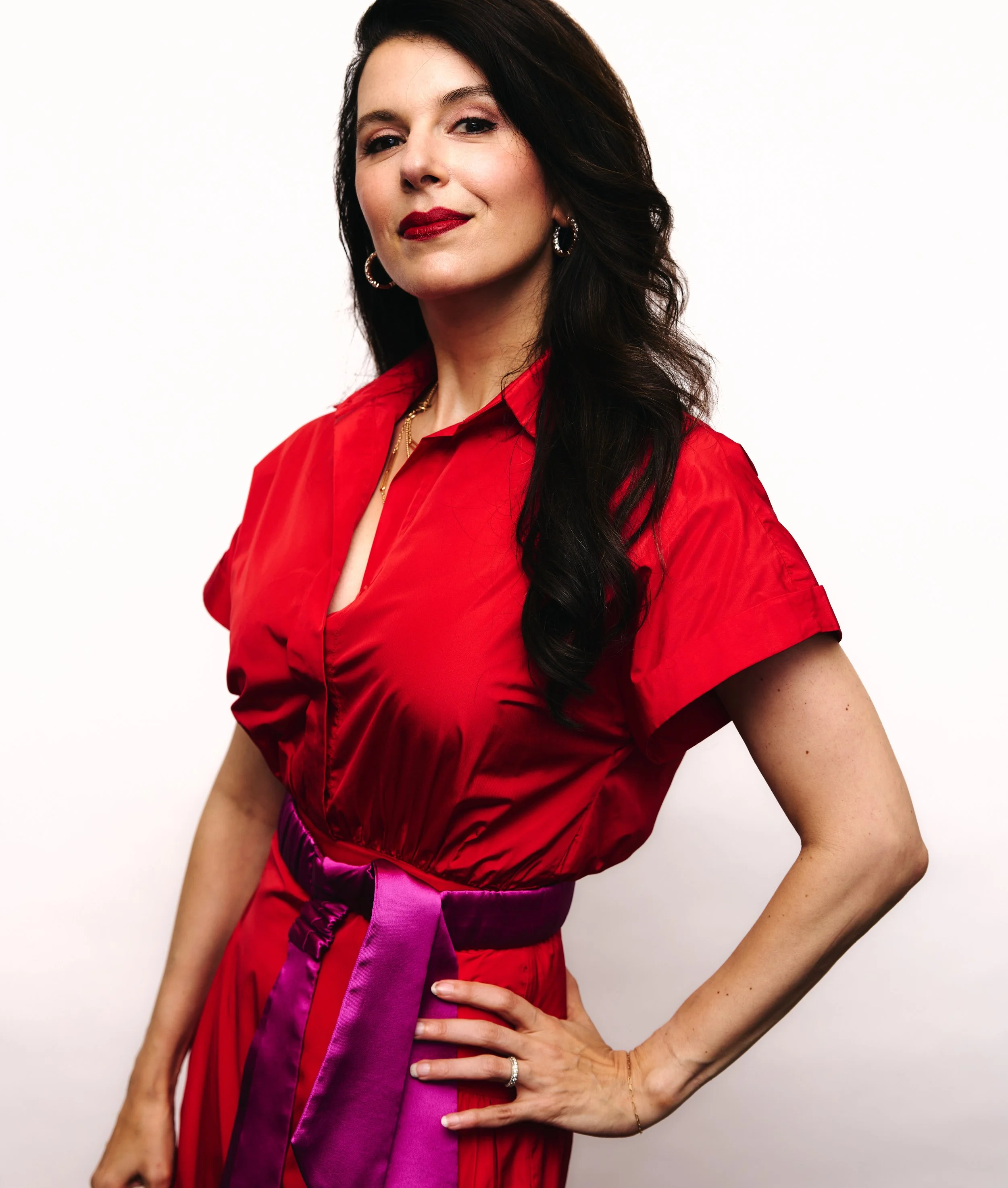
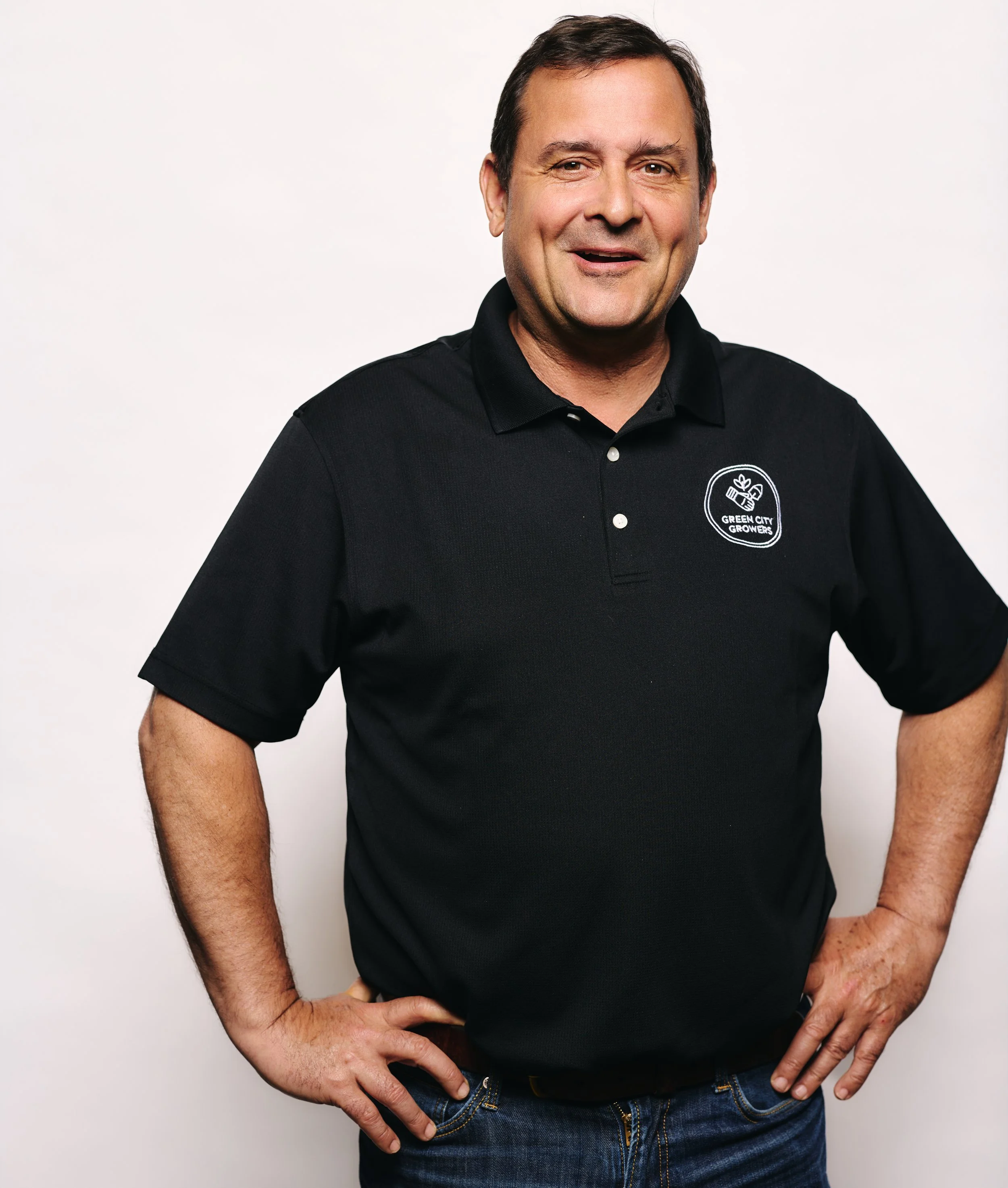
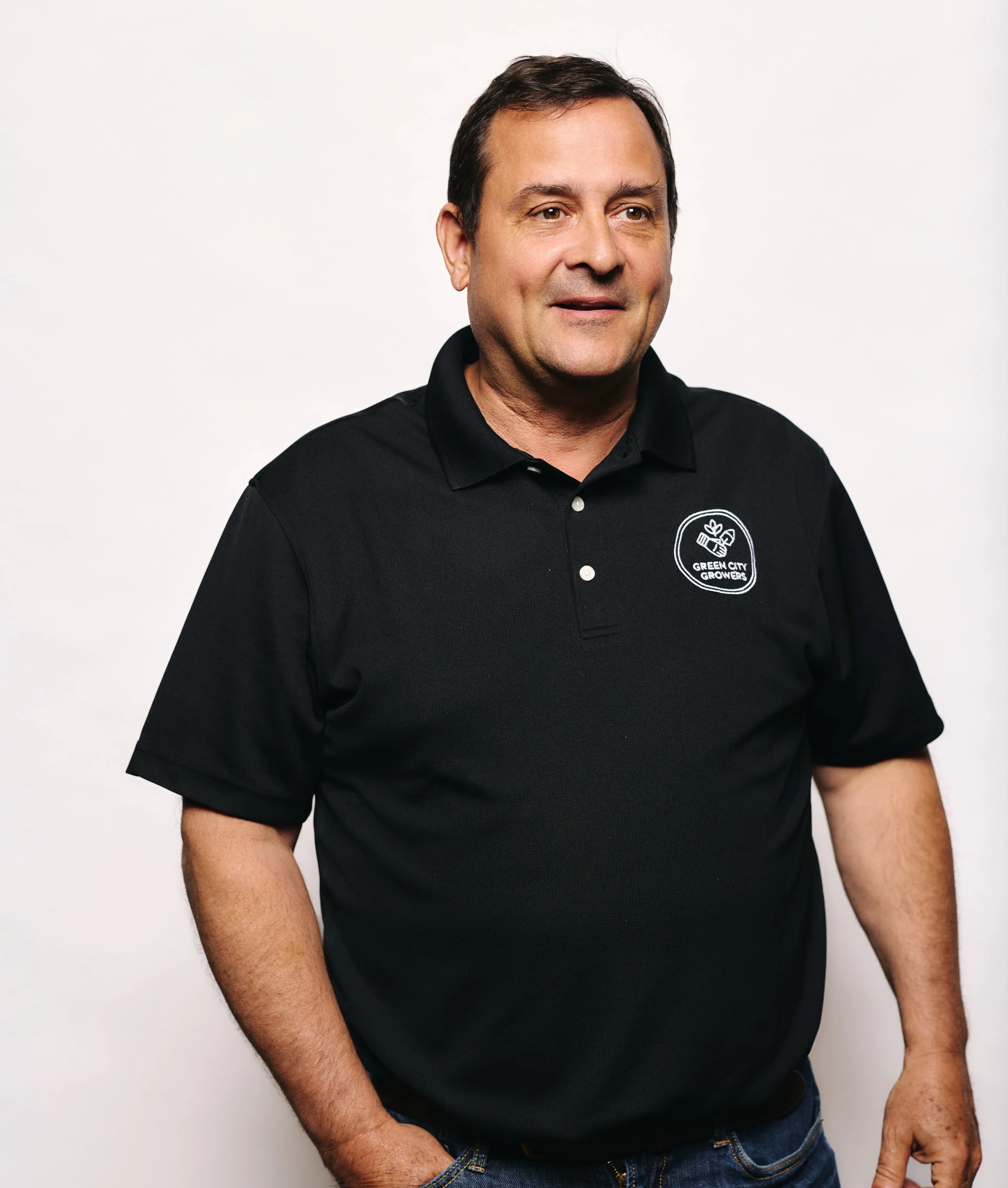
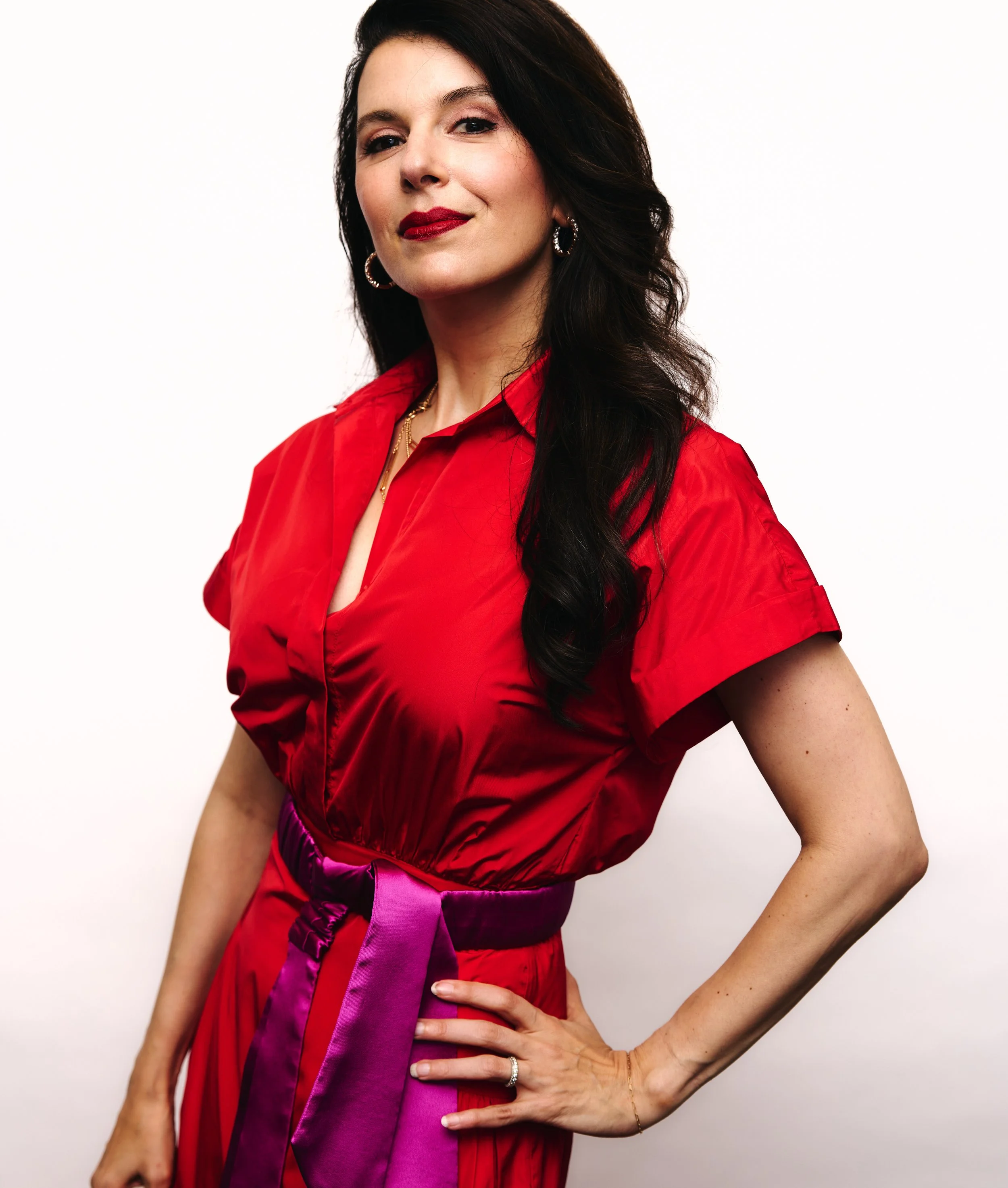
Portraits by Michael Piazza / Cover photo by Sarah Boeke/Boston Red Sox
In 2025 Fenway Farms celebrated its tenth year of growing on a black rubber rooftop at Fenway Park. Championed by Linda Pizzuti Henry and the Red Sox Organization, and farmed by Somerville-based Green City Growers, the farm at Fenway isn’t a cute little container garden. It’s an actual working farm on top of the oldest ballpark in America. Last summer, the farm produced over 5,500 pounds of vegetables and herbs. The bounty goes straight from the garden to the kitchens at Fenway where the Red Sox chefs use it to make fresh, delicious meals for the fans. What they can’t use, they donate.
Every year over 400,000 people touring the ballpark get to see the farm in action and learn more about the future of urban farming. So far, Fenway Park is the only major league ballpark with a working farm. But other venues across the country are taking note. We wanted to know more, so we asked Linda Henry and Chris Grallert to share their perspectives on why they feel so passionately that this green space matters.
EDIBLE BOSTON: Linda, you were the early champion of the Fenway Farm. Why did it become your passion?
LINDA PIZZUTI HENRY: Our family foundation was involved with Mass Challenge, a startup accelerator here in Boston. We are big believers in local entrepreneurship, and particularly food entrepreneurship, as a way of preserving local food culture and supporting local business entrepreneurs.
EB: You were also one of the earliest supporters of the Boston Public Market, right?
LPH: Yes! I was one of the founders of Boston Public Market (BPM) and I worked on it for a long time. We have an amazing food culture in Greater Boston, and while our farms are small, the BPM gives farmers the ability to sell directly to the consumer and build a sustainable farming business. I looked at Boston Public Market as a potential food accelerator and through Mass Challenge, the Henry Family Foundation created a prize to support small social impact businesses. We believe that small businesses that are set up well, with a strong mission, can really have an impact. And one of the companies that came through the accelerator was Green City Growers. We awarded them the Henry Family Social Impact Prize.
CHRIS GRALLERT: We were grateful for that recognition, and I still mentor for startups through Mass Challenge.
LPH: So I met Green City Growers then, and it stayed in my head what a brilliant thing this was, the idea of integrating urban farming into the cityscape. My background is real estate development, and I was a LEED-certified developer of buildings and housing. And I understand roofs and heat sinks and all of that. It just made so much sense to me. And I’ve been heavily involved at Fenway Park, and I walked by this black rubber roof all the time.
And I thought, “This could be so magical. This could be really something special.”
CG: Linda, was your family into gardening?
LPH: Yes! I grew up in an immigrant family and immigrant families love gardening. It was a big part of my family growing up, for my grandmother and my father. We always had a garden. So I understood what a garden could be. My grandparents’ whole backyard was basically a farm and they grew all sorts of stuff.
EB: And Chris, how did you get interested in farming and gardening?
CG: I started working on a farm when I was 12 and it was there, for the first time, that I felt like I was contributing something. I was incredibly curious about it. It’s crazy. It’s the only thing I’ve ever wanted to do, and still to this day I wake up going, “I’m so excited to learn more and see the possibilities.” School was hard for me, and the farm was the first place I felt smart and like I could be a success.
EB: Did your parents have a farm?
CG: Nope, but friends did. I grew up working their farm. Today I still have a small certified organic farm at my house. I have a little farm stand, too.
EB: Linda, how did you make the jump from a backyard family garden to the Boston Public Market and the farm at Fenway?
LPH: I care deeply about the city of Boston. And I kept asking myself, “What does it take to make a city thrive and help people succeed?” What I loved about Mass Challenge grantees was the same thing I loved about Boston Public Market: It helped these incredible entrepreneurs find their footing. They make the tapestry of Boston so interesting and dynamic. So finding a way to do that by supporting food culture was so exciting.
EB: And you have a very useful background in real estate development.
LPH: Yes. I understood the concept of green building. I instantly loved the idea that you could take these dormant spaces—like an empty black rubber roof at Fenway Park—and make it productive and alive.
EB: Was there any resistance to the idea of Fenway Farms? Did the Red Sox organization push back, saying, “You want to do what?”
LPH: The folks at the Red Sox are in the Yes business. And when I went through how it would work and what it would take, and that we had a partner—Green City helped me find a way to do it.

EB: How close is the finished product to your original vision for Fenway?
LPH: We wanted to make sure it felt accessible. We wanted people to see that you didn’t need a big fancy setup to grow fresh produce. We very intentionally used milk crates lined with soil cloth, dirt and a very simple white tube drip irrigation thing.
EB: When I first saw the farm, it was a lot more lowtech than I expected.
LPH: That was intentional. Now, the farm has become one of the central parts of our tours of Fenway Park and it has really captured the imagination around the country. The fact that we were able to do it has inspired others, especially given that Fenway Park itself is sandwiched in the city in a way that wouldn't happen with another ballpark.
One of the other things that I’m proud of is that we were able to bring the Fenway Farms concept to the Children’s Museum. Green City Growers has been a terrific partner for us in developing an education program showing kids about the cycle of growing.
CG: Thousands and thousands of kids. From springtime to fall.
EB: Does Green City Growers maintain that garden too?
CG: Yes, we do. We have farmers and an educator there twice a week to teach the kids. It’s a huge success. LPH: There’s a little Green Monster there, and it’s the same concept. So far, we’ve had 4,500 kids visit and we were able to donate more than 180 pounds of fresh food during 2025! Since Children’s Museum Farm opened in 2021, we’ve donated over 850 pounds to Spoonfuls. The Henry Family Foundation supports its ongoing operation.
EB: Chris, what has it been like to work with Linda, the Red Sox and the Children’s Museum?
CG: It’s been wonderful. Everyone is laser-focused on how we figure this out; how do we get it done? When we were building the Children’s Museum farm, we had to navigate a lot of hurdles, like Covid and social distancing! Like retrofitting the roof to handle the weight. And maximizing visibility so you could see the farm from down below.
LPH: We also developed these sorts of takeaway milk crates with seed and soil for schools that visit so they can grow in their classrooms as well. We’ve really leveraged what we’ve done. And again, it’s really in keeping with this theme of loving Boston, and how we make Boston as a city thrive, and help people within it thrive.
CG: I’m so proud of this garden. It’s highly productive. It’s grown exactly like how an organic farm would grow for a commercial market, and so kids are seeing produce free of pests and weeds and it’s a beautiful, impactful space for kids to learn what it’s like to be on a real farm.
EB: Do you think the kids get it? Do the visitors at Fenway get it?
CG: None of this is rocket science. Agriculture’s been around for 10,000 years, technical agriculture for a couple hundred years. Now we’re putting agriculture in places where it hasn’t ever been or hasn’t been in a long time. We are teaching people about our own capacity as human beings to feed ourselves. It’s so great that every season 400,000 people go on that tour at Fenway.
EB: What do they ask when they go on the tour?
LPH: They always want to know what we grow. We grow over 45 different crops, and the crop mix changes over the course of the season.
CG: This year, we produced 5,500 pounds of produce and most of that is used in the ballpark.
LPH: We also donated 340 pounds of food, over 1,400 servings of vegetables.
EB: Chris, Fenway Farms was already built when you took over Green City Growers. What were your first set of impressions about where it could go and how to do it better?
CG: I immediately saw what an important thing it was. I was able to bring my decades of domain expertise about agriculture and production into operating the farm. For me, it was a way to build credibility for re-localizing the food system.
EB: You’re sort of the evangelist for urban gardening.
CG: A hundred years ago, Middlesex County was very agricultural, first in the nation for the value of our crops. A hundred years later, and we’re not eating locally. We’re not eating any healthier. We’re losing farmland and not training new farmers. But locations like Fenway Farms show what is possible. It makes me optimistic. If you had a room full of diverse people, and said ‘Raise your hand if you want a more local food system,’ pretty much everybody’s going to raise their hand.
EB: The whole idea of using underutilized urban spaces to grow food is such a delicious idea.
CG: But it takes time. Most people are three or four generations removed from coming off the farm. Agricultural literacy is at an all-time low, particularly in places like Eastern Massachusetts. So as much as there’s a passion and desire to boost local, we need to learn the expertise from legacy agriculture to do it. There’s potential to do more even in the space we have at Fenway.
EB: Can you make the Fenway Farms even more productive?
CG: As Linda says, it’s a real farm. We’re producing an abundant quantity of high quality, freshly grown organic produce for the Fenway food service concessions and for donation. And this year we installed a fertilizer injection system, which increased crop nutrition quite a bit.
EB: Are there other locations in Boston that could have that same kind of dramatic impact?
CG: More gardens, more places. Especially at schools. But here’s the caveat: It’s better to have no garden at all than a poorly maintained one filled with weeds and trash.
LPH: Wherever there’s an empty roof or an empty lot, there’s a way. That is how we reinvigorate the local system.
This story appeared in the Summer 2026 issue.
