
Student Hunger In One of America’s Wealthiest States
College Students Studying in Massachusetts Can Face More Than Tough Classes When Challenged With Food Insecurity
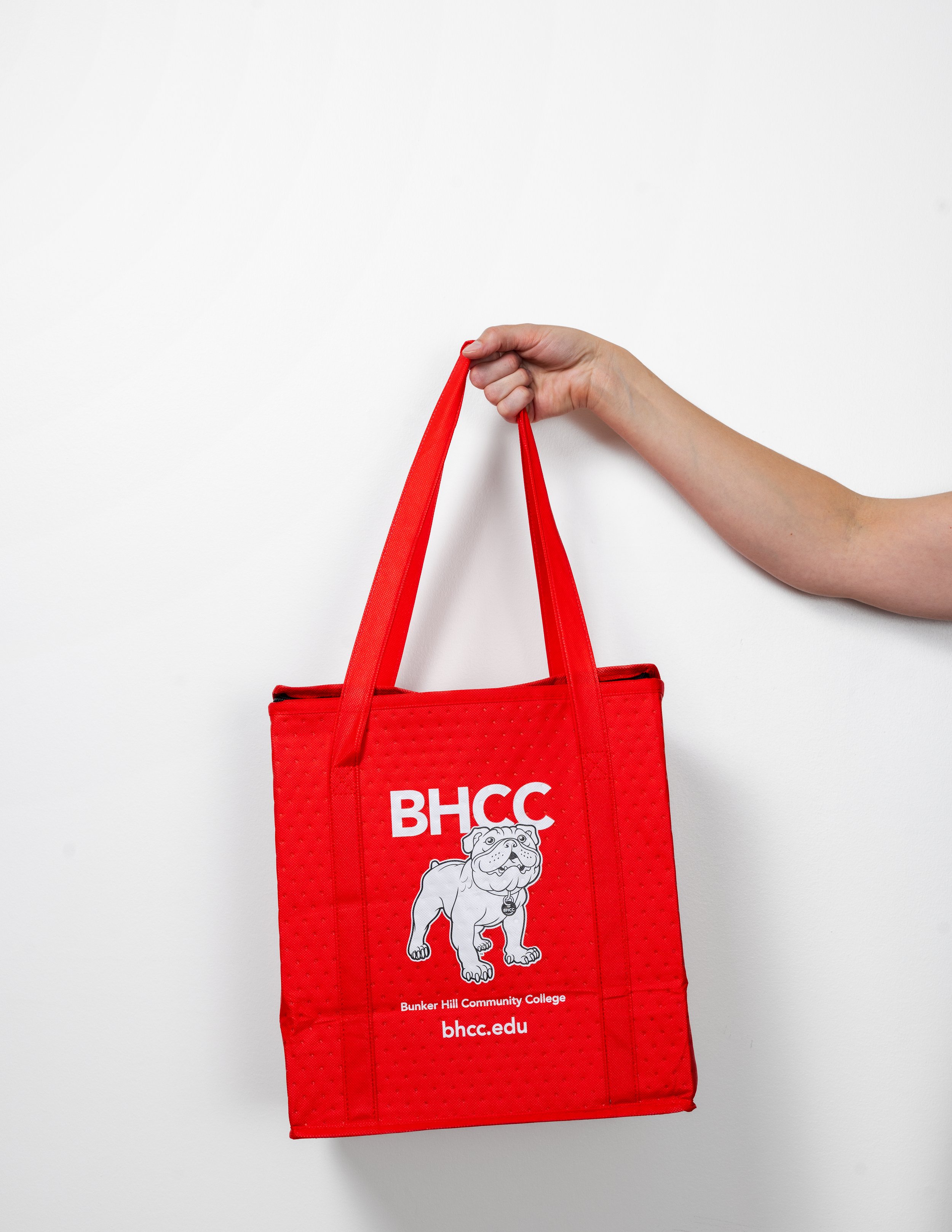
Photos by Adam DeTour
The halls of the Bunker Hills Community College (BHCC) Charlestown campus are filled with student resources, many of which have red arrows leading you to B-101, the DISH (Deliver Information, Sustenance, and Health) Food Pantry.
CLASSES AREN’T THE HARD PART
In 2019, BHCC saw a need to alleviate the barriers associated with food insecurity and ensure no one at their college went hungry. BHCC is the largest community college in Massachusetts with 15,000 students actively enrolled. Voices of Hunger on Campus, a Massachusetts- based group of educators dedicated to reducing food insecurity and homelessness on college campuses, conducted a study that showed roughly 56% of BHCC students were moderately food insecure. College students who are hungry are more likely to have lower test scores, reduced class attendance, negative mental health impacts such as anxiety and stress and poor physical health.
Although community college students don’t live on campus, they don’t necessarily live at home with their parents either; many are financially independent from their families, come from lower-socioeconomic backgrounds and work to sustain part-time jobs while juggling the responsibilities of school. The BHCC community and senior leadership feel strongly about empowering fellow peers and colleagues to obtain resources so they can focus on being happy, healthy and successful without the barrier of fighting hunger.
Boston is home to more than 650,000 people and more than a third of them (250,000) are college students eager to learn. According to BHCC, Massachusetts is one of the first states to address food insecurity among college students. In 2019, the Department of Higher Education (DHE) partnered with state agencies, college campuses and community-based organizations to create solutions. Here in Massachusetts, the Healey- Driscoll administration has shown its commitment by budgeting $500,000 in FY25 for the Hunger Free Campus Initiative. The Massachusetts Hunger-Free Campus Coalition was formed in 2019 and consists of 50 organizations and 100 individuals working to end hunger on college campuses.




YOU NAME IT, THEY HAVE IT
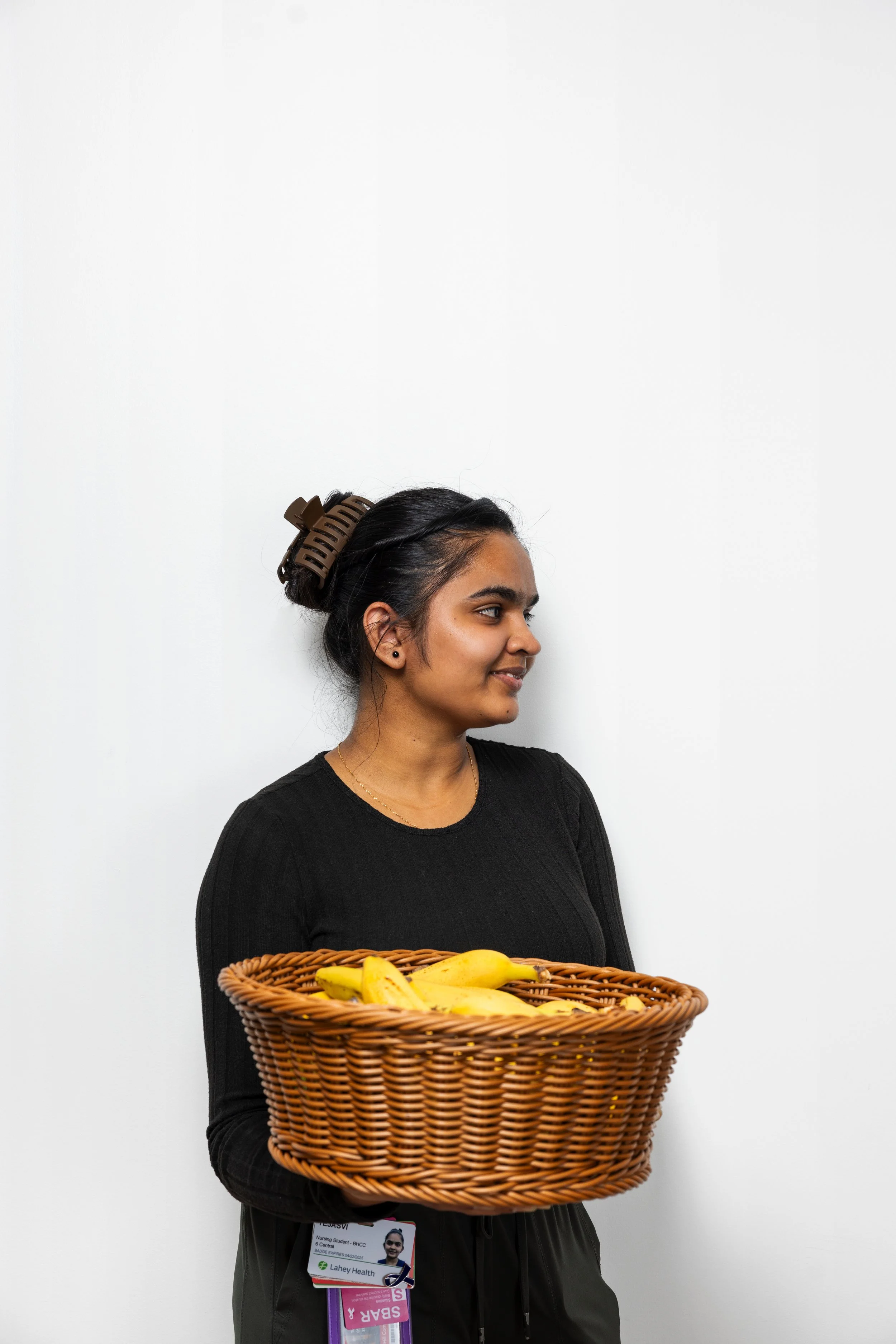
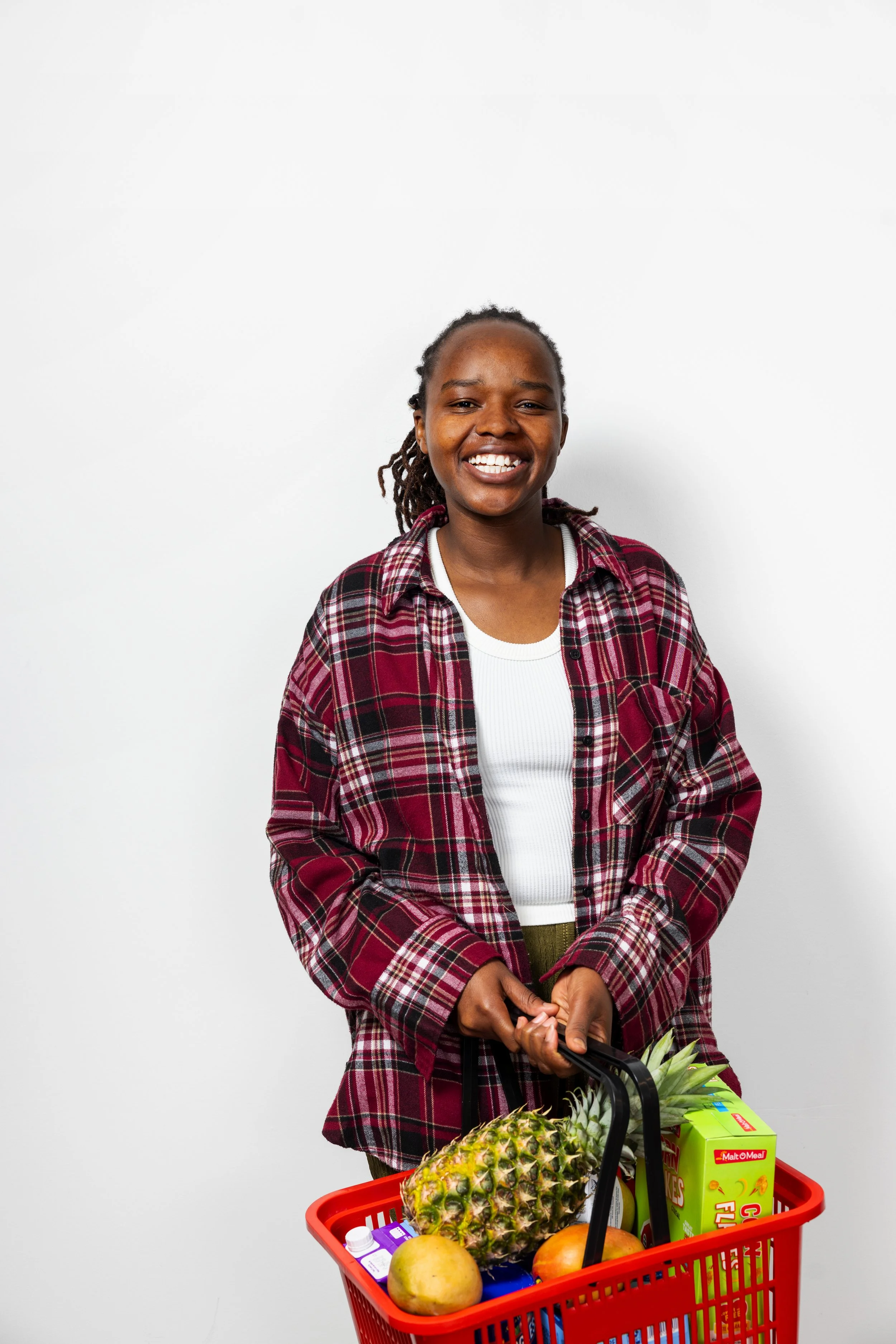
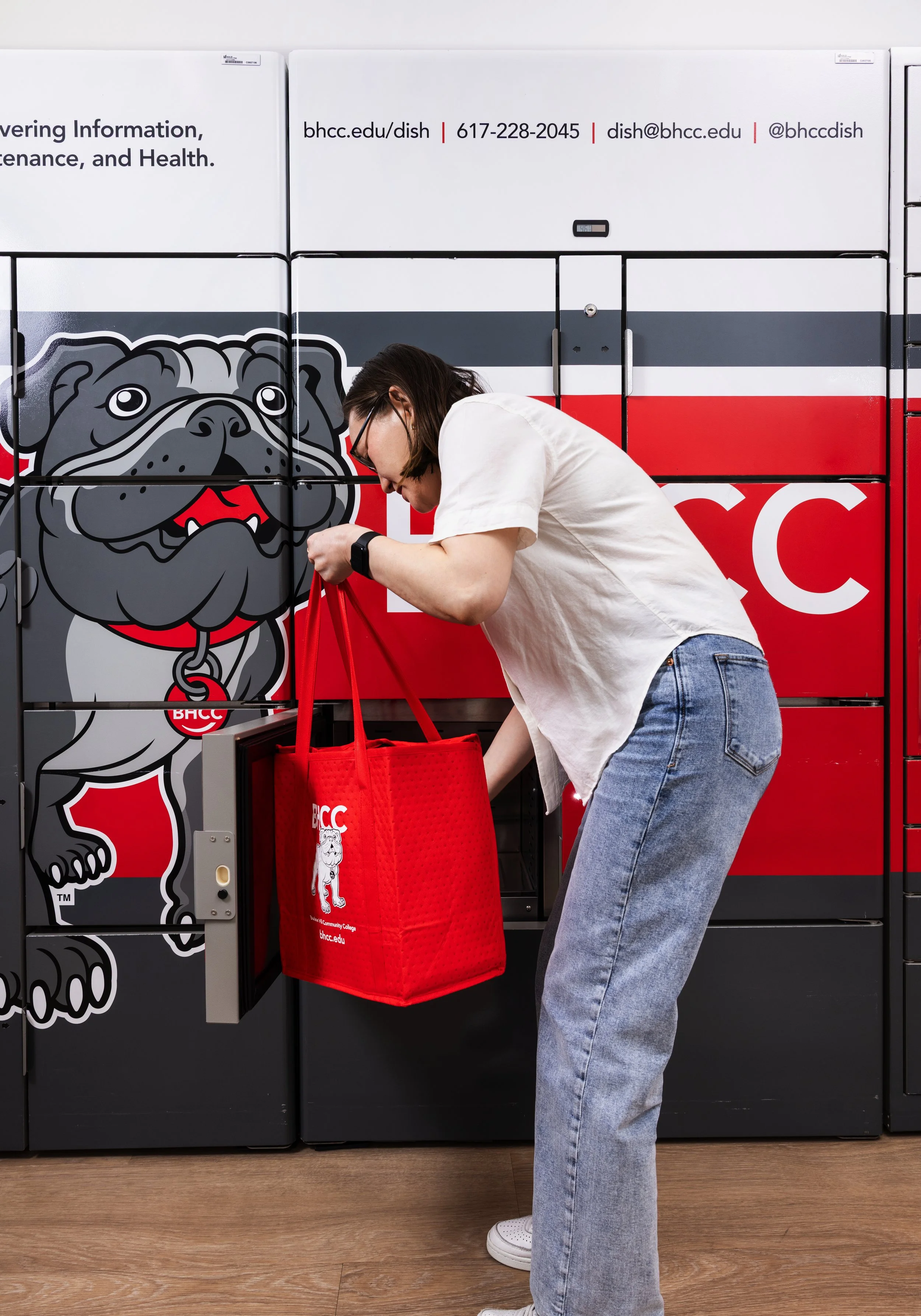
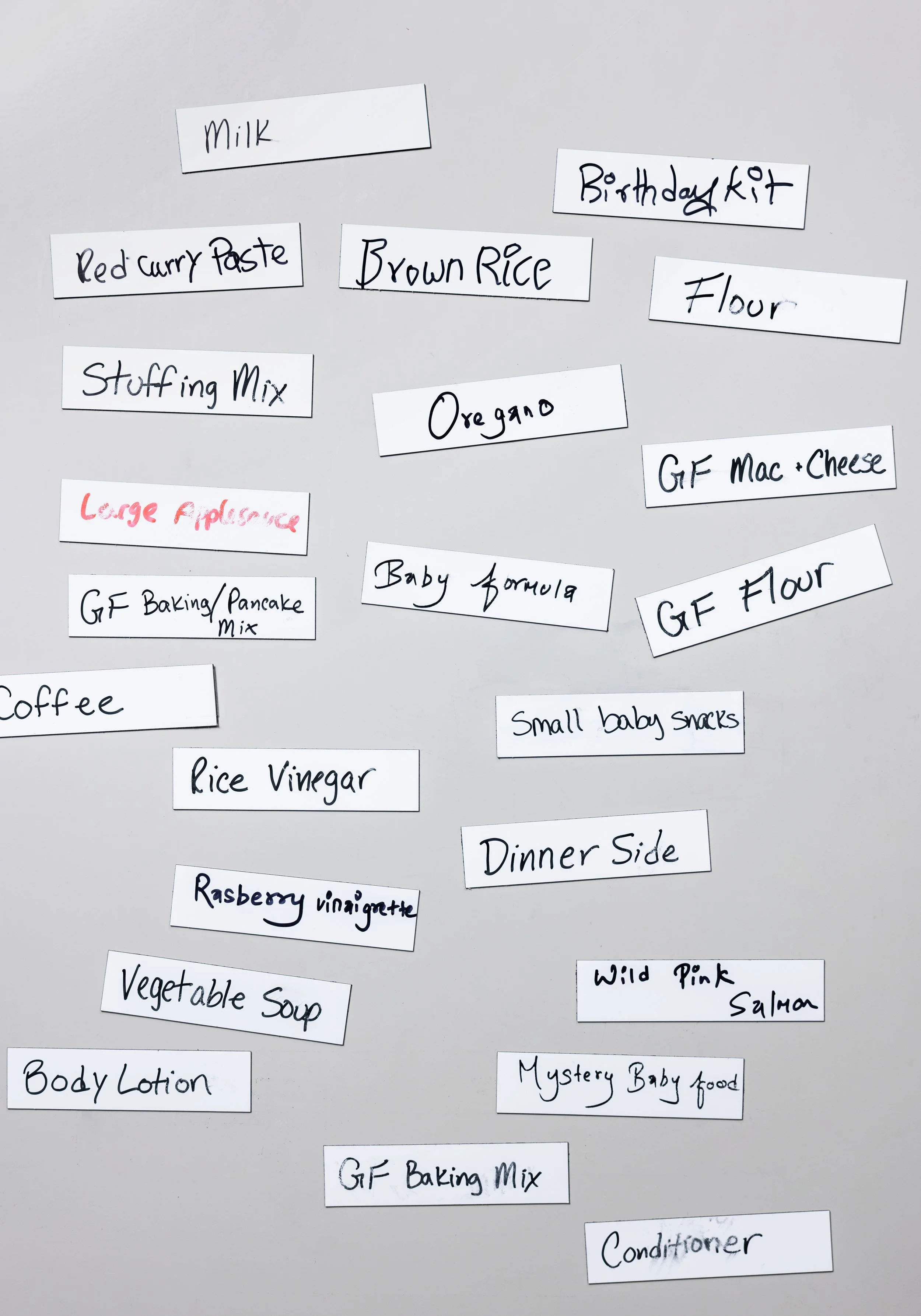
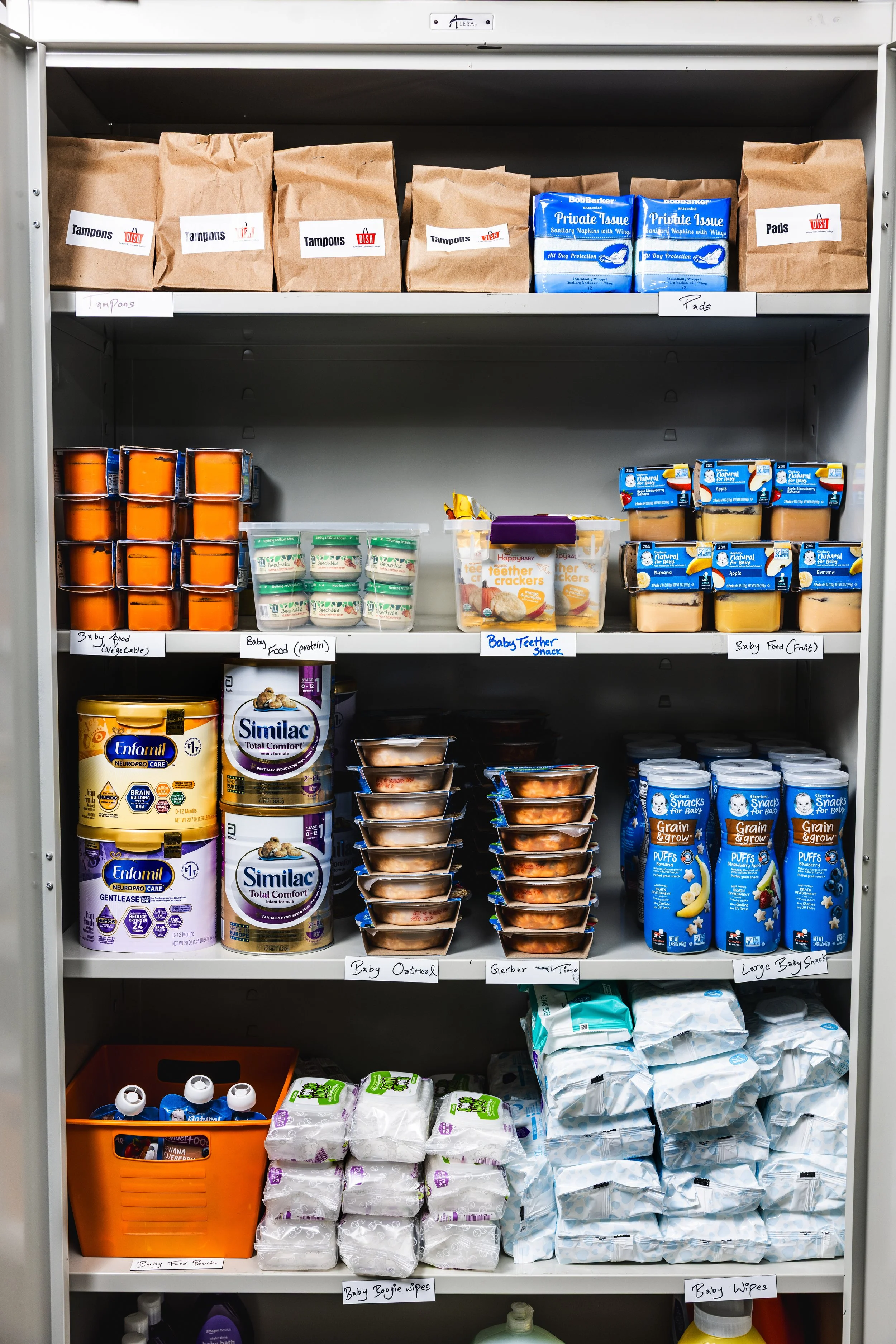
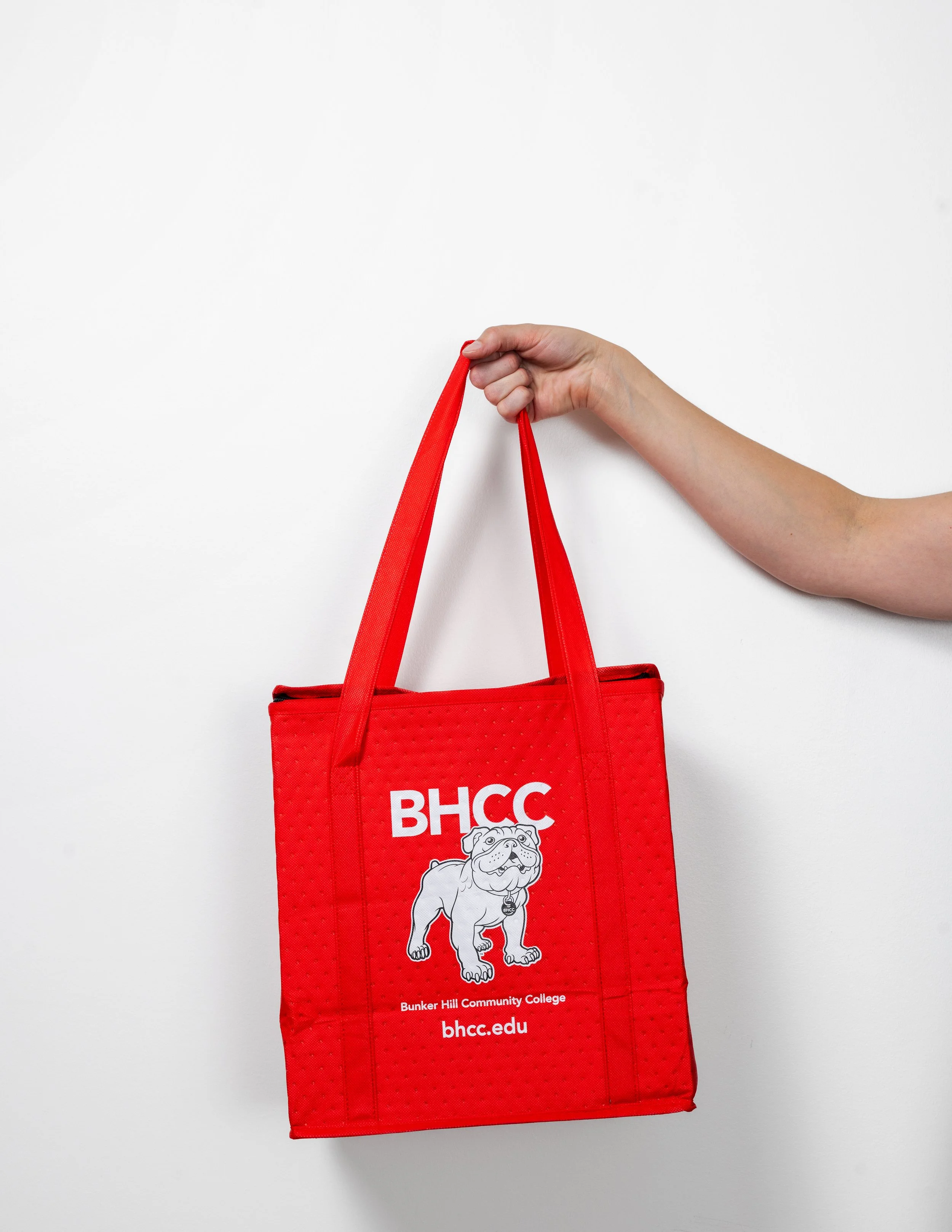
At Bunker Hill, the DISH runs a robust program to make food accessible to the BHCC community (students, faculty and staff) ranging from a grocery pickup program, to a “grab-and-go” initiative if students need to be fueled with a snack during the day, to a diaper lottery where 45 people are picked each month to receive diapers for their family. Everything from fresh produce and frozen meals to toiletries, hygiene products, Covid tests/personal protective equipment (PPE), grocery gift cards, perishable items, etc. is available. The DISH practices diversity, equity and inclusion (DEI) by providing items for people who are vegan, keeping kosher or dealing with gluten or dairy allergies. Smart lockers are offered for students and faculty to pick up groceries at their convenience. While BHCC embraces their stigma- free campus, unease around being food insecure can be difficult for students, and these lockers are one way to alleviate self-consciousness.
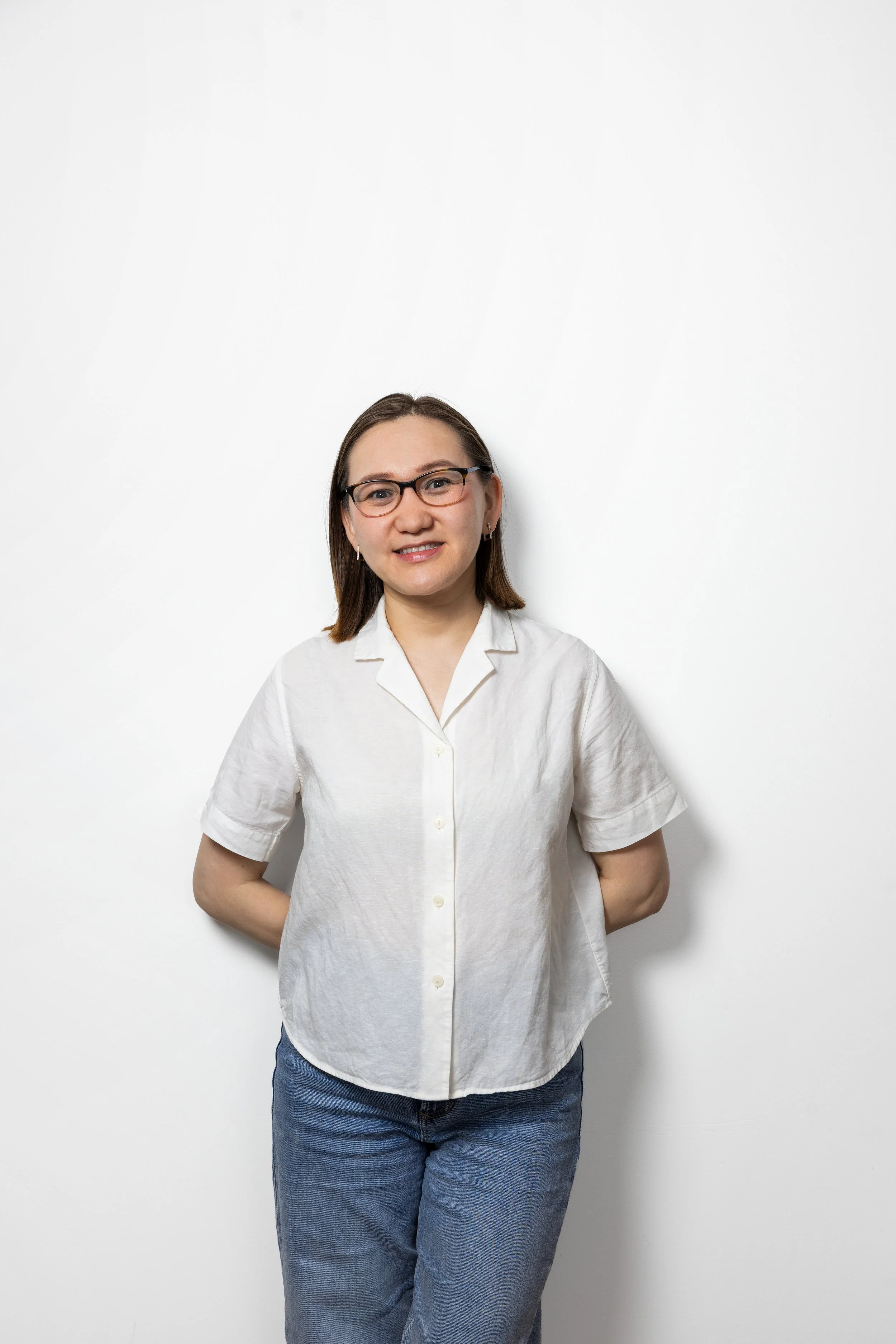
BHCC prides itself on its highly diverse student body with more than 600 international students from 92 countries. Roughly 65% identify as a person of color and there are roughly 300 veteran students. Chelsea Alexander, BHCC academic coordinator and head of DISH Food Pantry, leads a team of 15 student staff working to reduce the barriers associated with food insecurity. This student-driven and -supported resource is committed to being a safe, dignified and stigma-free environment.
The beauty of the DISH is that there are no requirements or barriers. All you need to do is be a part of the BHCC community to qualify. The impact that the DISH has on the BHCC is overwhelming, with some users saying, “every dollar BHCC saves me is a dollar I can invest in my future” and how it is “helpful for me being a single parent; I do not qualify for any government assistance but make a really low income and this has eased the burden in tough times and I know I can always reach out if I am struggling.”
According to the MA Hunger Free Campus Coalition, roughly 44% of public university and community college students are facing food insecurity. In Massachusetts, 37% of public university students are insecure and student minorities such as Black, Latinx and LGBTQ+ students experience higher rates.
One philosophy evident at BHCC is there is “no wrong door” at the community college: Any door students walk into they will come across supportive staff and students who will get them to the right resources, one of those being DISH. Some of the student staff at the DISH have been working there for two to three years, and are inspired knowing they’re part of helping their greater college community.
POST-COVID CHALLENGES
A challenge faced by Americans, especially Massachusetts residents, is the cost of living increasing as the years go on. According to a report in 2024, Massachusetts has the second-highest cost of living in the United States, while leading the nation with the highest average salary of $80,330.
Amidst the meaningful work the DISH is doing, one challenge BHCC faces is to keep up with the grocery demand for the community. In 2020, the DISH annual report highlighted that 32,672 pounds of food were distributed in 2,519 orders. In the most recent report, from 2024, the amount of food distributed had tripled to 95,659 pounds with 3,568 grocery orders filled. This past semester, there were an average 600 grab-and-go visits a day at the three BHCC campuses and roughly 100 grocery pickups per week. Last year alone, there were a total of 35,000 grab-and-go visits.
Andy Vargas, Massachusetts State Representative in the 3rd Essex District, believes food insecurity is a solvable problem. “The pandemic has further exacerbated hunger, especially for college students already struggling to get by,” he says. “In a state where our cost of living is so high and navigating support can be complicated, solving food insecurity will require a systems approach that builds capacity, efficiency and meets people where they’re at.”
Given these increased numbers, it is important to also look at the impact of inflation on the cost of food, which has risen by 2.8% in the past year. Since the Covid pandemic began, roughly 32% of adults (1.8 million people) in Massachusetts have been food insecure. While there are food aid programs such as Supplemental Nutrition Assistance Program (SNAP), many people do not use them and are not aware if they are eligible. Some say they didn’t want to use food aid programs for fear they would take away from someone who needs it more or they simply didn’t want to rely on public assistance. Covid impacted part-time jobs, resulting in less income. Remote learning, transitions with household living situations and reduced access to transportation to receive food all impacted students, and in the summer of 2025 when the GOP House reconciliation bill passed, immigrant and refugee students’ access to SNAP benefits was dismantled.
SILVER PLATE AND SILVER LINING
Not only is the DISH food pantry providing BHCC students and faculty with food to eat, it is partnering with the community college in other creative ways. BHCC is the only community college in Massachusetts that offers a comprehensive associates degree in culinary arts. Students enrolled in this program master foundational hospitality skills and pair them with handson experience learning how to work in a professional kitchen setting. The BHCC Culinary Arts Program hosted its first Culinary Connections event this past May, where students utilized the DISH food pantry and curated a menu for the DISH community partners such as the Greater Boston Food Bank, Hope and Comfort Hygiene Hub and Food For Free.
The BHCC community is redefining what it means to be there for each other and take care of one another. The positive spirit and uplifting motivation around the BHCC is palpable and whether you are a student or a visitor, BHCC makes you feel like you belong and you are right where you are supposed to be.
This story appeared in the Fall 2025 issue.
