
Which Way Next? Revival Road Farm Seeks a New Direction

Photos by Michael Piazza
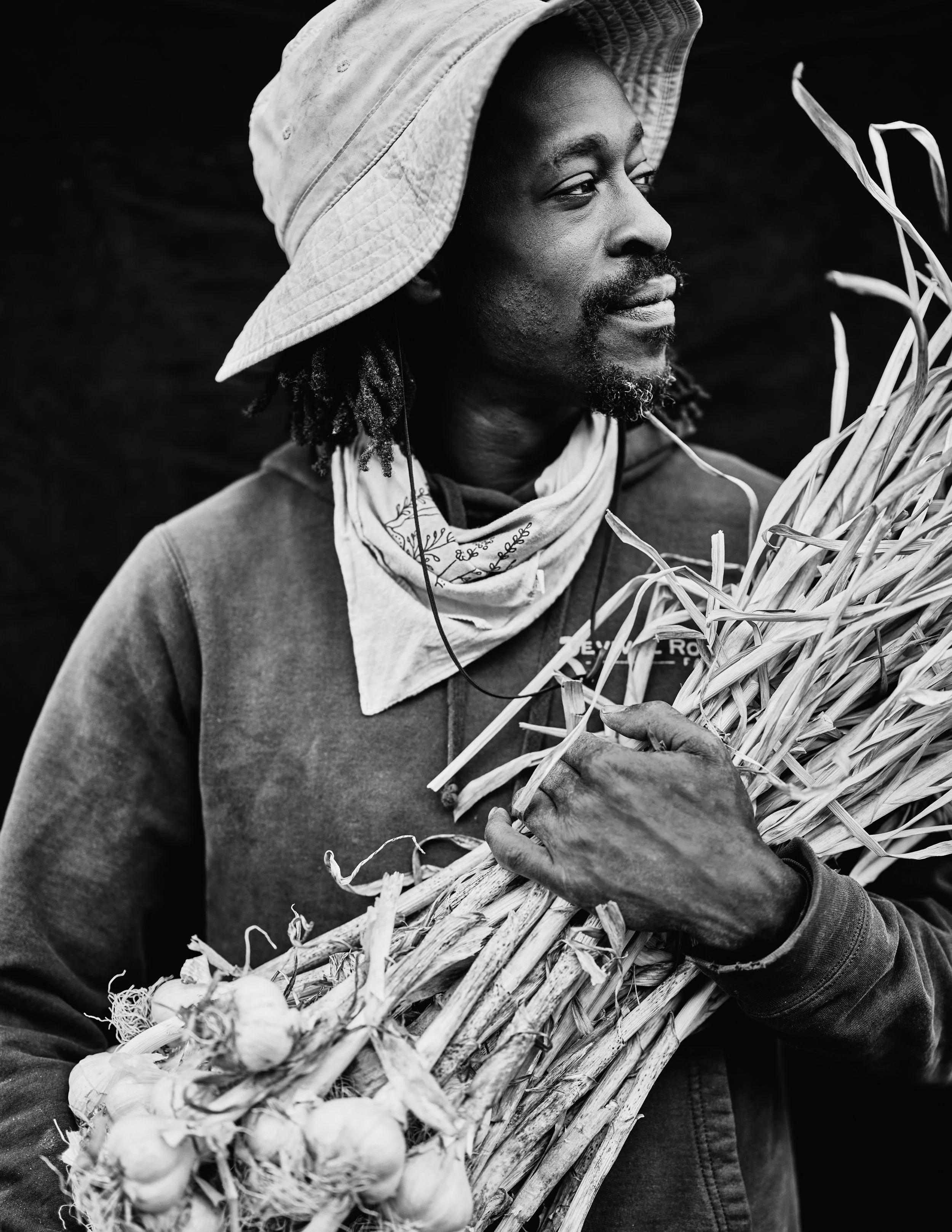
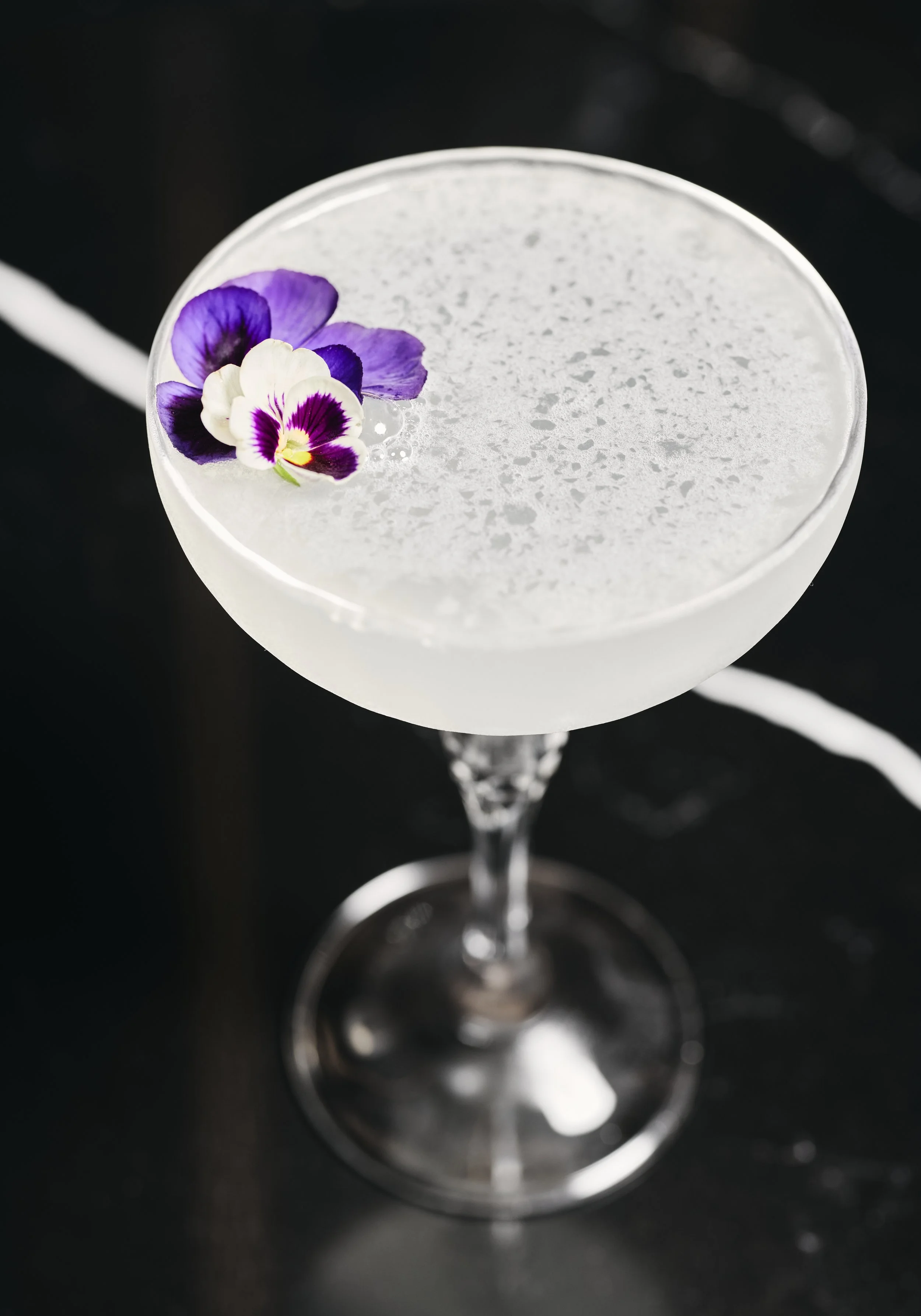
Behind the smooth white marble bar at The Pearl in the Boston Landing development of Brighton, Seidric White expertly shakes a craft cocktail with plum vodka, Cointreau, basil syrup, lime and white cranberry and pours it into a chilled glass. A seasoned restaurant worker with decades of experience as a bartender and chef, White has the cool, unruffled exterior of an industry vet.
But when he pulls out the garnish for the cocktail, his neutral expression emits a gleeful smile. It’s a tiny violet with a butter-yellow center bleeding out into the powerful purple petals. White places the flower atop the cocktail with the care of a proud father. And in a way, this flower is his baby: He grew it with his own hands.
“It’s hard to explain how rewarding it is to take something that you nurtured along and use it as a finishing touch,” says White. “When you prepare dishes with the food that you grew, it just tastes so much better.”
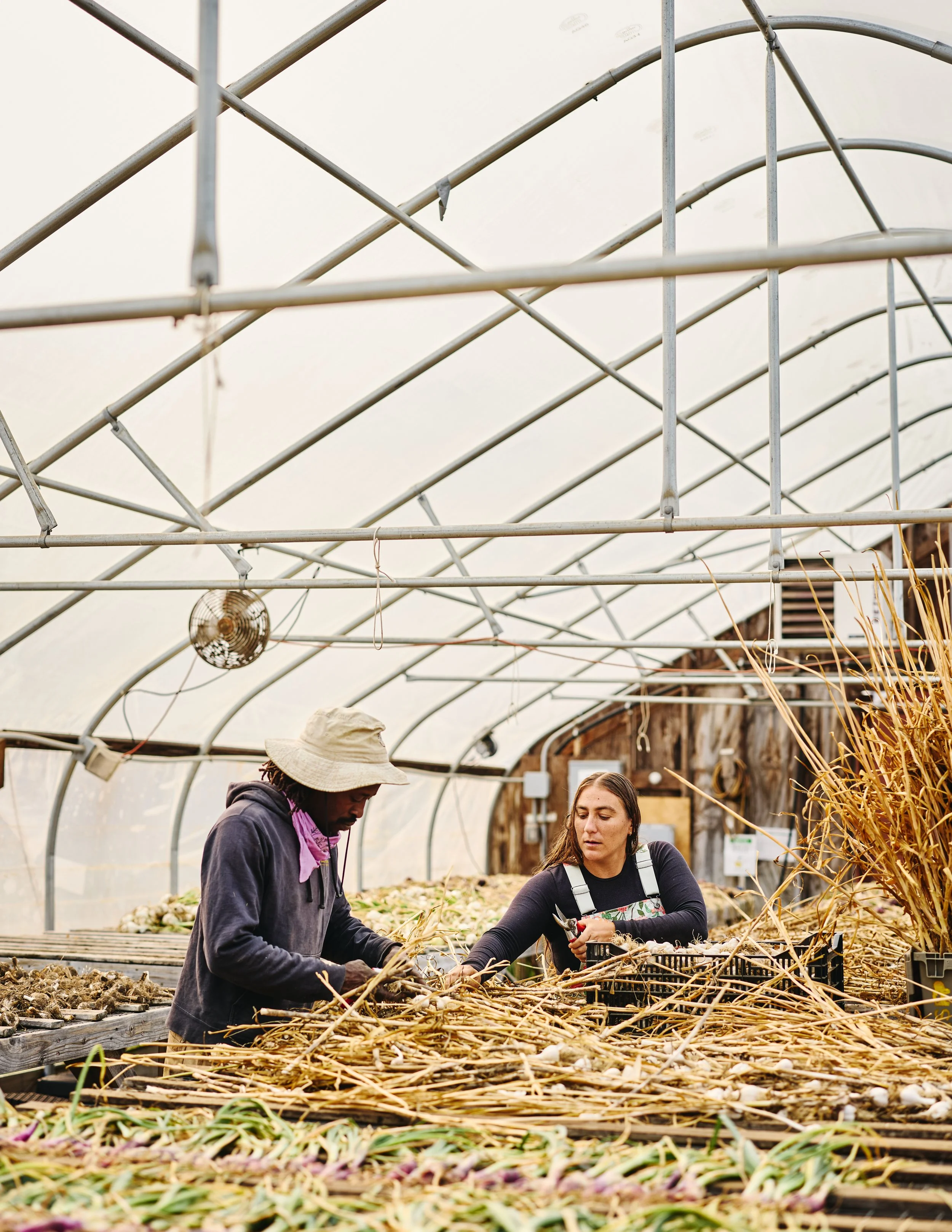
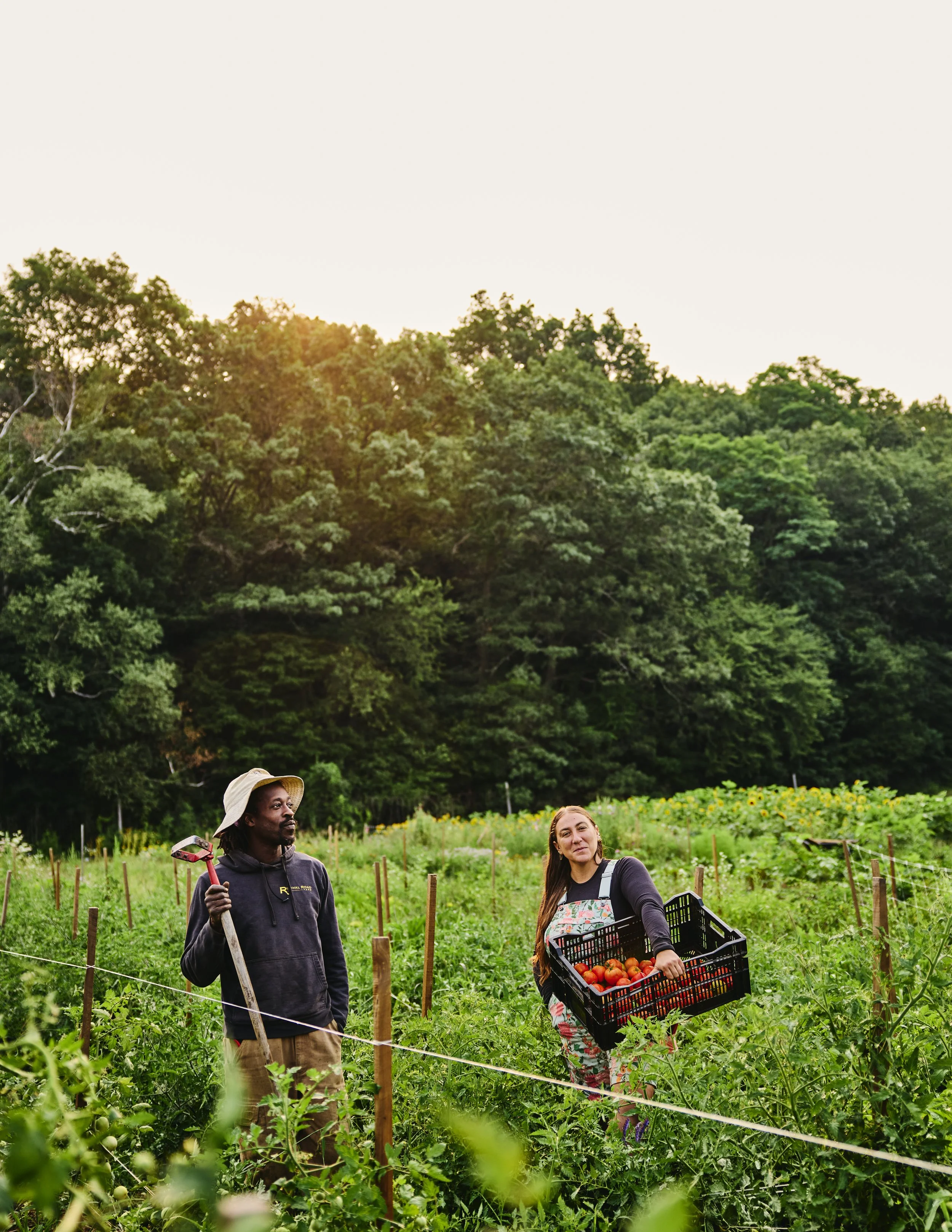
White is usually working in very different circumstances, under the hot summer sun in the field at Revival Road Farm in Beverly. It’s here that he and his partner Anna Pierce-Slive grow edible flowers, produce, aromatics and more for acclaimed restaurants around Boston and Cambridge, including Season to Taste, Moeca, Giulia, Comfort Kitchen, Forage and many others.
Their partnership began with a farm in Belchertown in 2023. In 2024 they moved their operation to Beverly to be part of the New Entry Sustainable Farming Project, a three-year program developed by the Tufts University Friedman School of Nutrition Science and Policy that trains and supports emerging farmers, providing them with land and infrastructure while they build their businesses.
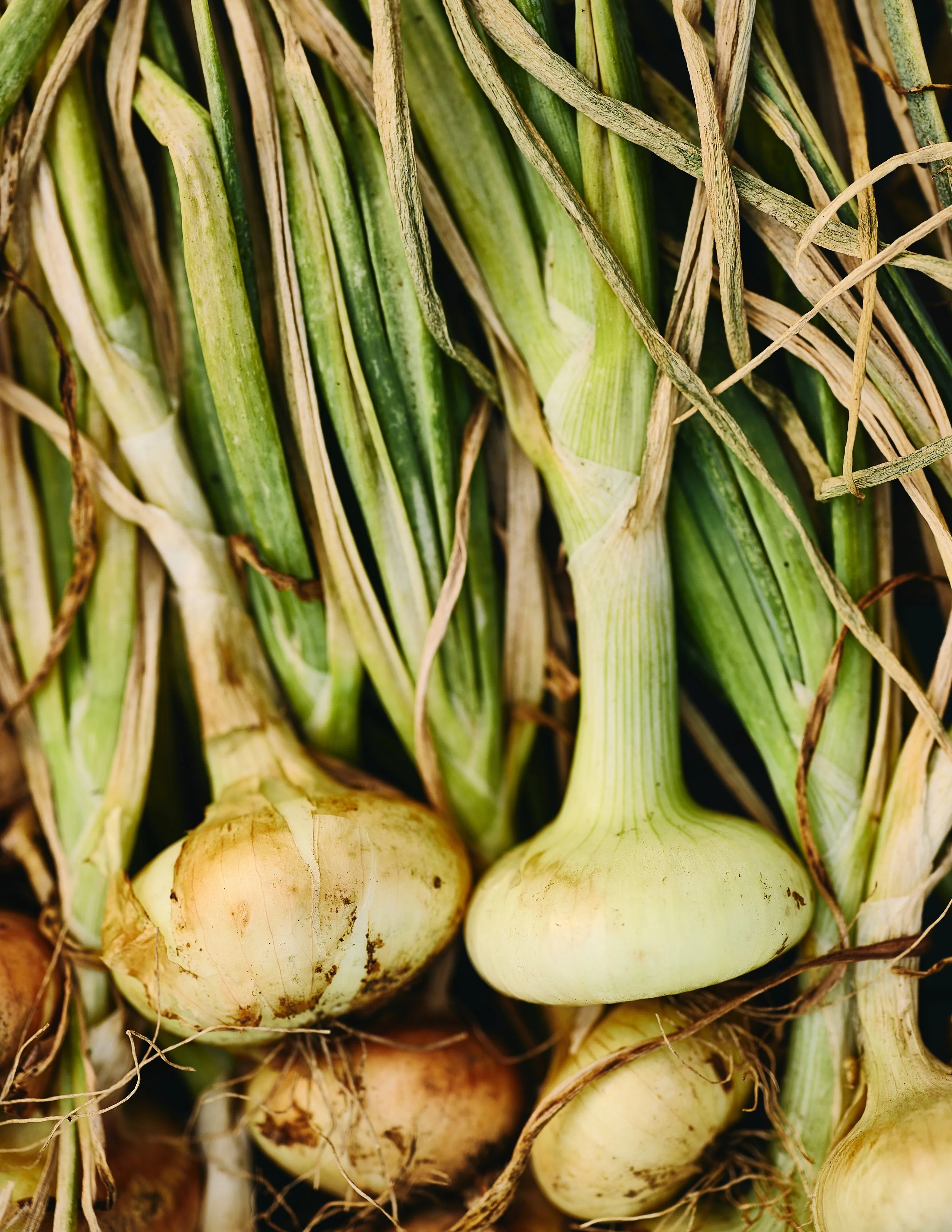
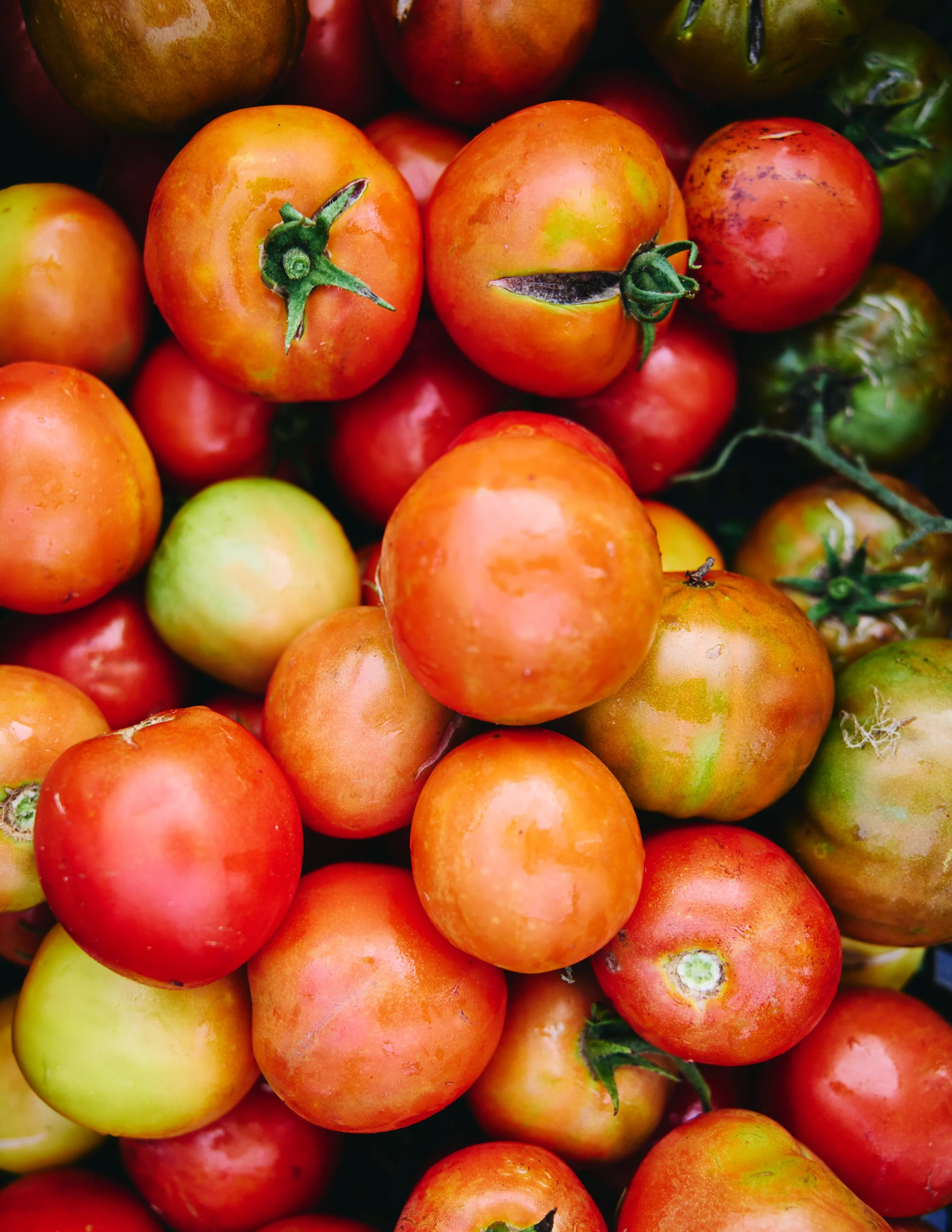
As part of the program, White and Pierce-Slive are provided with an acre of land as well as access to greenhouses and freezer space. From February until the first frost in November, they cultivate tomatoes, eggplant, squash, garlic, peppers, beans and much more. When possible, crops are planted in waves. Sometimes the carefully tended rows will see two or three different crops across a growing season.
Production is high on this acre. White says restaurants will order anywhere from 30–60 pounds of tomatoes a week from the farm during the summer. Later in the season, he estimates they’ll sell about 300 pounds of potatoes from one round of planting. Herbs and flowers, edible and otherwise, take up about a quarter of their plot. This area is one of Pierce-Slive’s specialties, and she thoughtfully puts together the bouquets that will grace dining tables for birthday dinners, weekly catchups and date nights.
In addition to supplying restaurants, the Revival Road Farm team runs a CSA with a total of 26 members picking up in Cambridge and Boston and this season they’ve begun selling bouquets of farm-fresh flowers at Cambridge Naturals.
White cut his teeth working in kitchens and bars around Boston. A teenage job at Gourmet Catering turned into 20 years in the industry, including serving as the founding chef at Fresh Food Generation in Dorchester and a board member for the Urban Farming Institute. Pierce-Slive has worked with the University of California’s Center for Agroecology and Sustainable Food Systems and at Haley House’s Thornton Street Farm in Roxbury, focusing on farming as a therapeutic process.
As they come up on their final season with New Entry, the duo are searching for a more permanent slice of land, within two to three hours of Boston, to call home. There, they want to expand Revival Road Farm well beyond merely working the land.
White would like to use his culinary background to work with the food they grow, cooking meals and educating diners about the cultural heritage of foods like okra and tomatillos. Leaning into her therapeutic background, Pierce-Slive hopes to host trauma recovery workshops that utilize farming and a connection to the land as a healing tool.
A FARM FOR COMMUNITY AND HEALING
“We love growing food, we love being farmers, but what we’re also trying to do is have an education and wellness retreat center,” says Pierce-Slive. “Our vision is to have this refuge for both farm-to-table dinners and cocktail hours and parties and celebrations on the land with the food, celebrating the culture of the food, and also doing healing work and trauma work and rest work and wellness work.”
Equity and access are crucial elements of this mission. The goal isn’t to sell $500 tickets to limited-edition farm-to-table dinners, but to create food and farming opportunities for underprivileged communities.
Squatting in one the crop rows at Revival Road Farm, White pulls a carrot out of the ground and inspects it. It’s bright orange with rich, leafy green stems coming out of the top. He brushes a thin layer of dirt off the carrot and takes a bite. In 90° heat after a long day of tending to the land, that carrot is more refreshing than all the freezer door martinis in Boston.
Regenerative farming practices are essential to the work at Revival Road Farm. This approach is as much about nourishing the land as it is about growing beautiful produce. It involves fostering biodiversity by planting many different crops rather than running soil ragged by growing the same plants over and over. While recently tallying up their product list, Pierce- Slive says they’ve sold more than 100 different types of crops in the last two years. And that’s with just one acre of land. Ultimately, they’d like to have some livestock as well.








White and Pierce-Slive say they are farming not just for themselves but for the next seven generations, taking care of the land for its future stewards. Investing in the long-term health of the soil will be even easier and more fulfilling when the farm lands in its forever home.
FROM CROP TO KITCHEN
Until that ultimate vision is realized, White’s background in the restaurant industry and his culinary instincts help guide their planting schedule. Pierce- Slive says White has a sixth sense for growing what chefs are going to want. Crops she was skeptical about, like fava beans and Scotch bonnet peppers, sold out immediately.
Sam Day, executive chef at Season to Taste in Cambridge, laid claim to Revival Road’s first batch of tomatoes weeks before they were ready to harvest in early July. White and Pierce-Slive are in constant communication with chefs, often texting to see what they’d like delivered based on what has ripened overnight at the farm.
“These aren’t just random chefs,” says Pierce-Slive. “These are people that have been in the industry, that have been working really hard on their craft. Siedric’s maybe worked in a kitchen with them or worked in a kitchen with their friends.”
White also loves an opportunity to bring a colleague’s culinary vision to fruition. He and Pierce-Slive will grow special produce on request. As part of the Jewish Seed Project, Pierce-Slive has grown quishim, which she describes as a cucumber/melon type vegetable, for the culinary team at Lehrhaus.
When Kyisha Davenport, the director of hospitality and advocacy at Comfort Kitchen, and the restaurant’s bar manager Danameche Terron wanted to experiment with okra leaves, Revival Road was happy to supply them from the okra they were already growing. White even grows a special supply of Scotch bonnet peppers for Jamaica Mi Hungry to use in their jerk seasoning.
This is what White really loves: the intersection between food, culture and storytelling.
“Food is such a powerful connector and indicator of culture,” says White. “I think that the voices of people who are engaged in our food systems are often lost between the time they produce the food and we eat it. And I think it’s really important for the story of the food to be told.”
For White, whose parents immigrated to the United States from Montserrat, cornmeal is one of those cultural culinary flavors. It reminds him of eating cornmeal porridge in the mornings. His mother would flavor the warm breakfast with cinnamon, nutmeg and a bay leaf. It’s a traditional Caribbean breakfast but they began to add in maple syrup for a New England twist. White hopes to grow more corn and other staple crops when Revival Road finds a larger and more permanent home.
Though the duo doesn’t know yet where that permanent home will be, they know they’re walking in their purpose.
“We have other problems in life, but knowing what we’re put on planet Earth to do ain’t one of them,” says Pierce-Slive. “We never want to stop farming and serving our community.”
This story appeared in the Fall 2025 issue.
