What Community Cookbooks Preserve
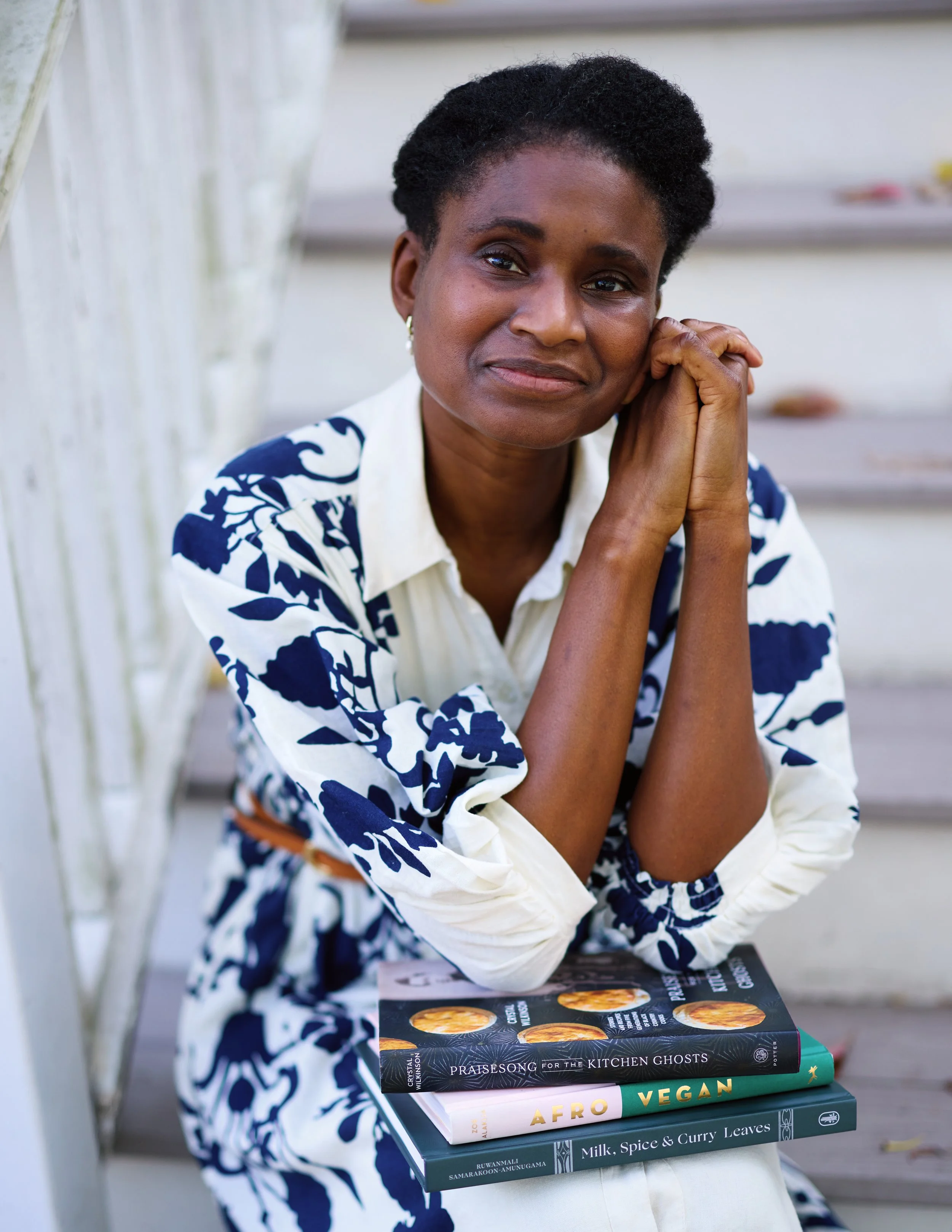
Photo by Michael Piazza
When I moved from Berlin to Boston in 2022, I arrived with a suitcase, a head full of plans and a private ache I did not yet know how to name.
But within weeks, loneliness set in. Everything felt unfamiliar: the scale of things, the rhythms of conversation, the particular Boston blend of openness and reserve, the fact of being new in a place that already knew itself and did not quite know where to place me.
In those early months, I found refuge in my kitchen. I cooked the foods that tethered me to myself: spätzle, sourdough bread and peanut stew, dishes that offered comfort not only in their taste, but in the memories they carried. And eventually, I stumbled upon a form of American life that moved me just as deeply: the community cookbook.
When I found my first one, I was spellbound. Here were recipes, names, annotations, local habits and quiet gestures of offering. A whole social world filled with casseroles, cakes, soups and the simple act of saying: This is what we make; this is what we share; this is who we are; this is what has mattered enough to write down.
I realized I was reading a local archive of community.
This is a region built from neighborhoods, parishes, schools, church halls, synagogues and kitchens that have long done far more social work than they are ever credited for. Boston can feel reserved from the outside, until it doesn’t. Community cookbooks revealed another layer entirely: one built less through grand declarations than through church-basement casseroles, Parker House rolls, clam chowder, Jordan Marsh blueberry muffins, Portuguese sweet bread, Haitian patties, Ethiopian stews and dishes carried from Chinese, Korean and Southeast Asian kitchens into Greater Boston homes and communities.
What these cookbooks hold is not simply taste, but local social structure. They show how communities made themselves visible: a church women’s group, a school fundraiser, a synagogue sisterhood, a Portuguese social club, a neighborhood effort to gather recipes not only because the food was good, but because the act of gathering them said: This is who we are. This is what deserves to be carried forward.
In a region shaped by waves of immigration, that matters. Food is one of the places where Greater Boston records its layered becoming, sometimes in dishes that carry names and histories, sometimes in substitutions and borrowed ingredients. But the trace is there.
These books do not preserve Boston at the level of brand or stereotype. They preserve it at the level where community is actually made.
They also preserve a kind of labor that disappears into the background of history: women’s labor, especially. The planning, the feeding, the adjusting, the stretching, the knowledge of what a crowd might need after a service, a funeral, a school event or a birth. Community cookbooks preserve not only food, but the often-unseen work through which social life is sustained.
And then there is the matter of what gets written down at all.
In my own family, some of the most extraordinary food knowledge was never recorded. My grandmother was a brilliant cook. She measured nothing. She wrote nothing. She carried recipes in her body, not on paper. A handful of this. A pinch of that. A gesture. A correction made by instinct. It felt eternal while she was alive. And then, when she was gone, much of it went with her.
That loss changed the way I think about recipes. To write one down is not only to preserve a dish. It is to insist that something is worth carrying forward: an act of memory, and also an act of community.
The Boston Public Library now holds a growing Community Cookbook Collection in its Rare Books and Manuscripts department, volumes documenting the culinary history of New England communities, often compiled by women and published to raise funds, preserved now as what they always were: local history.
I came to Boston looking, without fully admitting it, for signs of how a place lets people in. I did not expect to find one answer in a cookbook.
After discovering them, I began inviting colleagues and neighbors to my table: people who had offered smiles in passing and little more. I asked each person to bring a dish that meant something, something from childhood, a beloved family recipe, something from elsewhere. They arrived carrying warm pans wrapped in towels and glass bowls balanced carefully in their hands. One guest set down a rice dish her mother had made for every birthday. Soon the table filled with plates, serving spoons and stories.
The recipe is never only the recipe. It becomes a conduit for memory, care and joy, and for the possibility that a table can turn strangers into something like community.
This personal essay appeared in the Winter 2027 issue.
