
Edible Food Find: Volturno

Photos by Adam DeTour
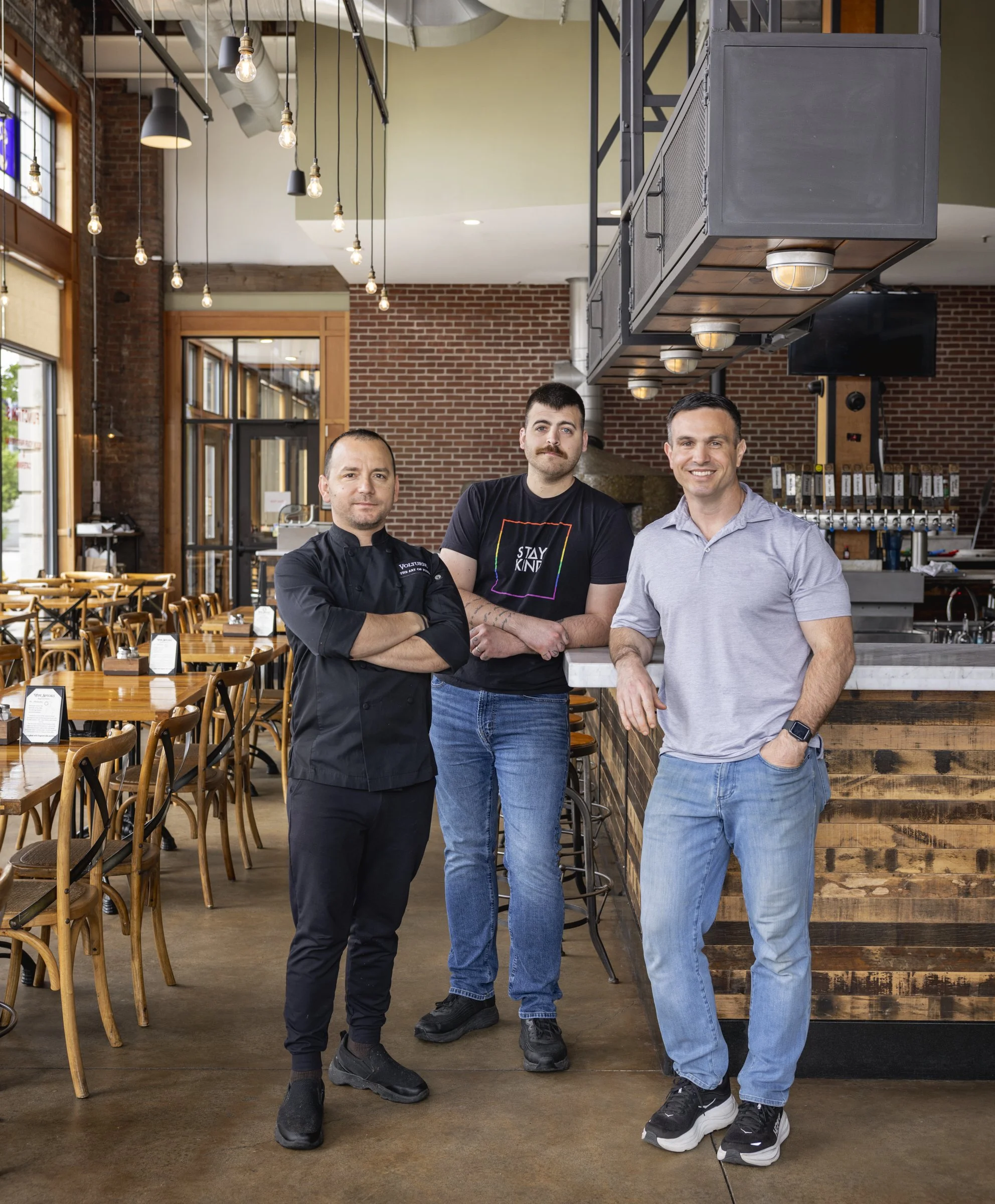
The owner of Worcester’s first farm-to-table Neapolitan pizzeria recently joined some of his staff on a trek through woodlands in New Hampshire and Vermont foraging for ramps. He filled coolers with the wild leeks’ forest green leaves and slender stems. The haul, bound for Volturno’s Shrewsbury Street kitchen, will end up on this summer’s menu, pickled or transformed into a savory pesto.
Even after over a dozen years in the restaurant business, Gregory Califano still gets his hands covered in dirt—or, more frequently, in flour. He likens it to a quintessential Italian cooking philosophy of bringing into the kitchen and creating a dish from what you can grow in your backyard garden, raise in your fields or fish from your waters. In short, when the earth provides exceptional ingredients, use them.
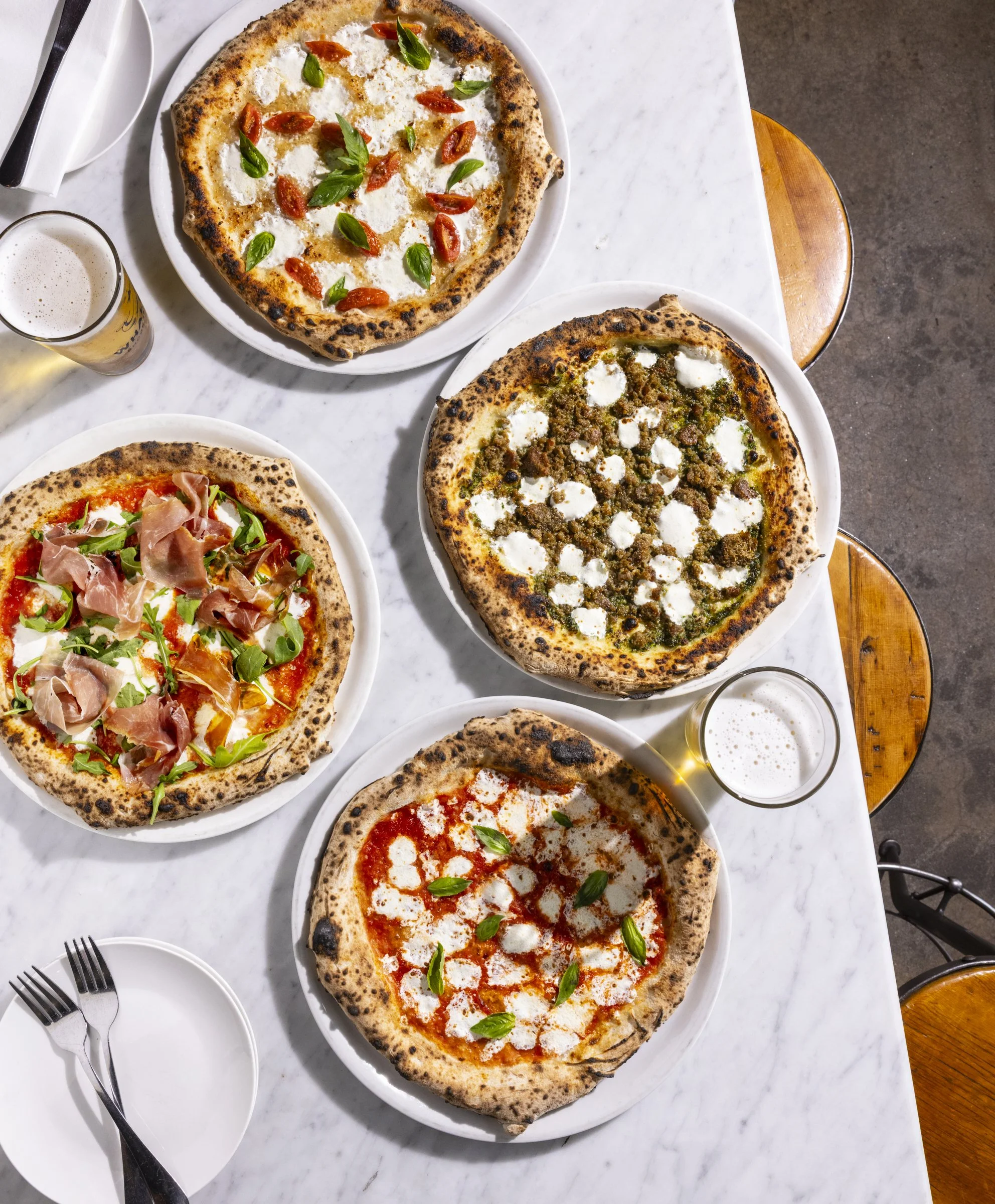
At Volturno, where the ornate clay ovens have burned since 2013, freshness means a rhythmic production of dough, for pizzas and pastas. Now, too, the pizzeria makes its own burrata, mozzarella and stracciatella, an intricate operation housed in another building not far from the restaurant. Volturno’s cheesemakers pluck off little strings from a sheet of fresh mozzarella, placing them delicately into cream to form the stracciatella. Then they create casings from thin pieces of mozzarella and, all by hand, scoop and seal the stracciatella inside. Presto: burrata.
“The mozzarella that you buy in a store is probably three to six weeks old, at least,” Califano says. “Ours was probably made two days ago.”
As ingredients have gotten fresher at Volturno, its ethos has relaxed. Califano opened with a rigid dedication to Italian authenticity, so he stocked only wines from Southern Italy and didn’t offer pepperoni pizza. He maintained, for a stretch, a Volturno glossary of terms for denizens of the Woo to learn definitions of various menu items. And to the dismay of many early diners, he had a policy of not slicing his pizzas prior to serving them, because in Naples, people use a fork and knife to consume their margherita pies.
“When we opened, I didn’t cut any pizzas for anyone. I gave you a fork and a knife. I learned very quickly: That doesn’t work,” he says.
Meanwhile, Volturno has begun to use its position as one of the old guard on Shrewsbury Street to lift up other artisans. In March, the restaurant hosted its first riff on a farmers market, where nearly a dozen vendors sold their wares—pickles, pots, clothing, cookies, among other things. Califano says he hopes to hold more of these markets this summer, having them spill out into the parking lot.
“Let’s use our resources and all work together to advertise and speak well for people who are trying to make it on their own, trying to produce amazing products that so many people just don’t know about,” he says.
Amid the flames of its wood-fired ovens, Volturno can cook a pizza in 90 seconds. But, for Califano, the restaurant has taken 13 years to evolve into the busy, seven-days-a-week hot spot it is today. Neapolitan pizzas didn’t exist in the Worcester restaurant scene before Volturno. And Califano views his restaurant as an ambassador.
“We were pioneers,” he says. “But innovators get arrows, and in the beginning, it was really difficult because people said, ‘Oh, this pizza is too wet. The dough isn’t crispy enough. The dough is more like bread. It’s not big enough.’”
Volturno’s pizza won the city over in the end, guest after guest, including Califano’s friend’s children. In them he sees a path for his pizzeria to continue for another decade or more.
“They ask to come here for their birthdays and have Neapolitan pizza, so when they’re adults, they’re going to want to come here, and then they’ll tell their kids about it,” he says. “Then it becomes multigenerational.”
72 Shrewsbury St, Worcester
volturnopizza.com
This story appeared in the Summer 2025 issue.
