
The Wellness Farm: Providing Nutrition to Worcester’s Neediest Students
Photos by Adam DeTour
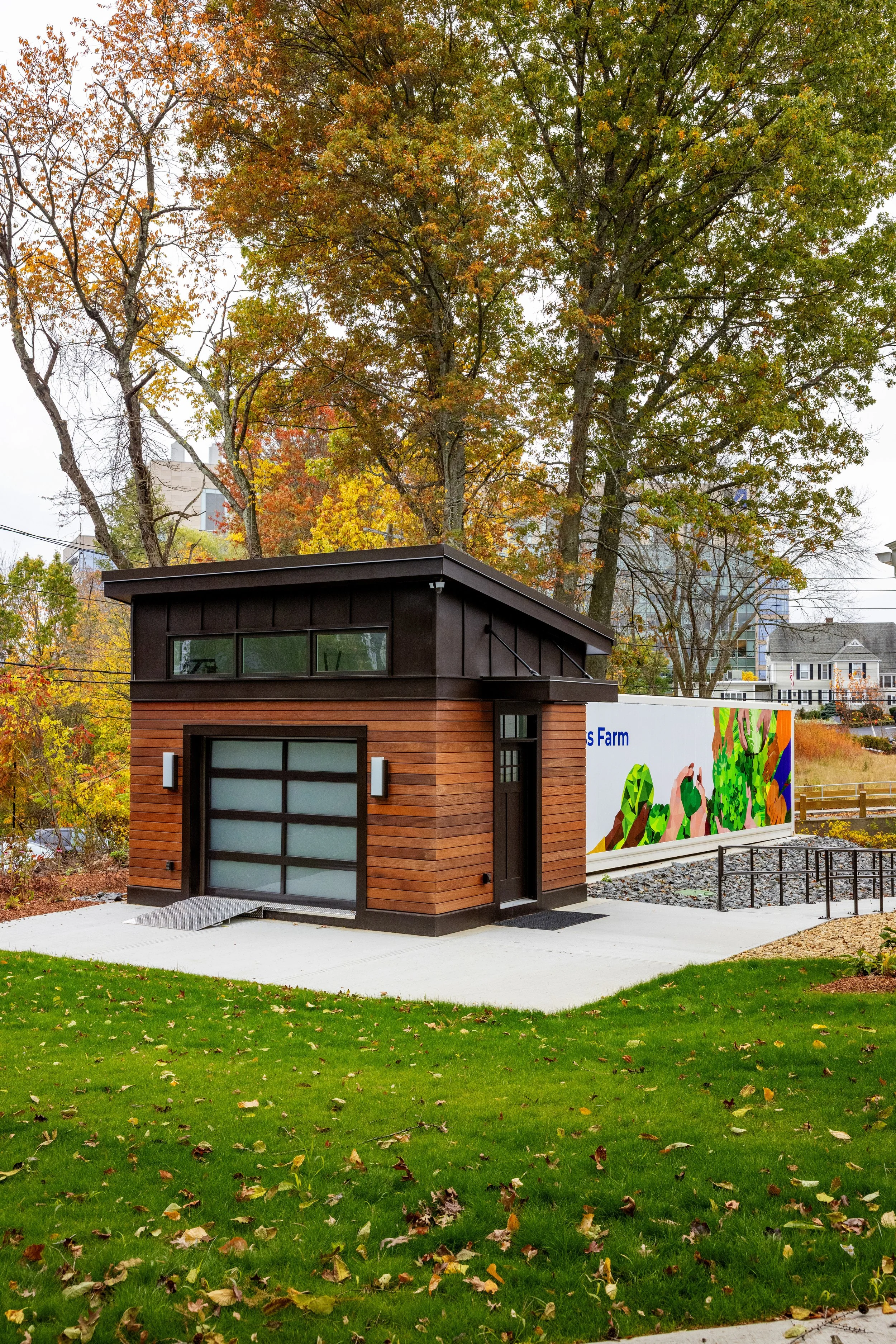
Tucked away at the edge of the UMass Chan Medical School campus in Worcester, a container farm is growing a bounty of leafy greens destined for the school’s low-income neighbors: students and families who need fresh, healthy food.
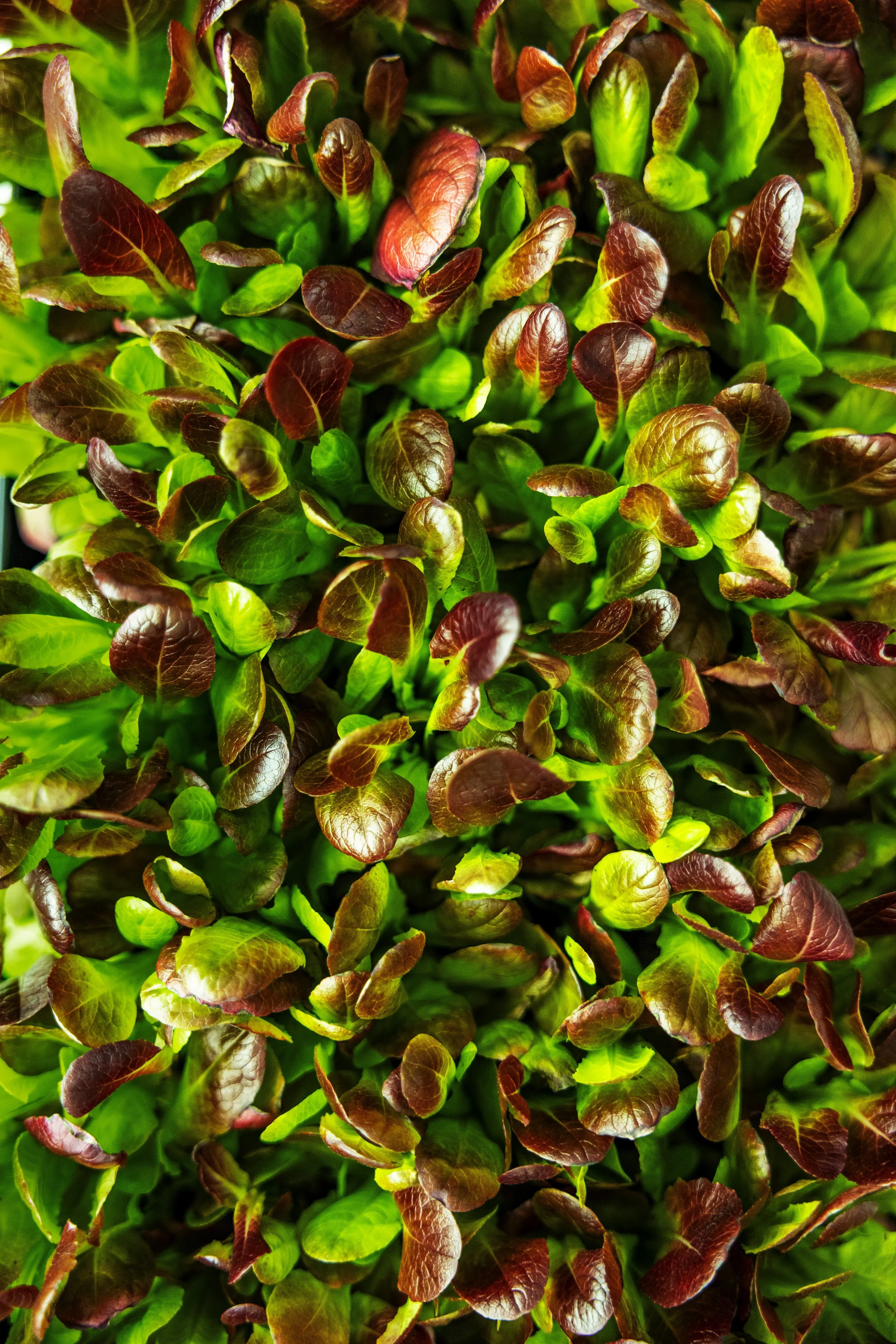
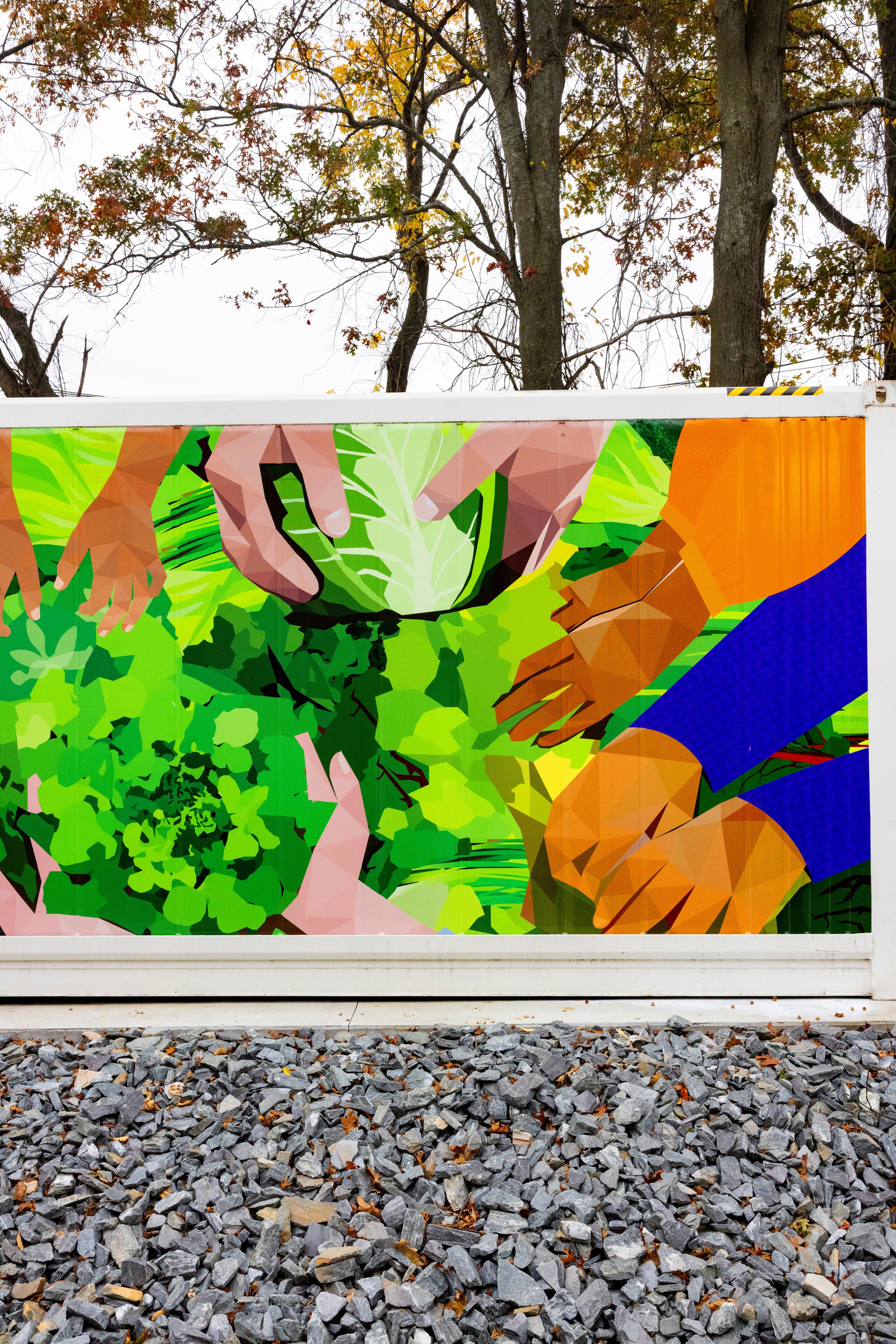
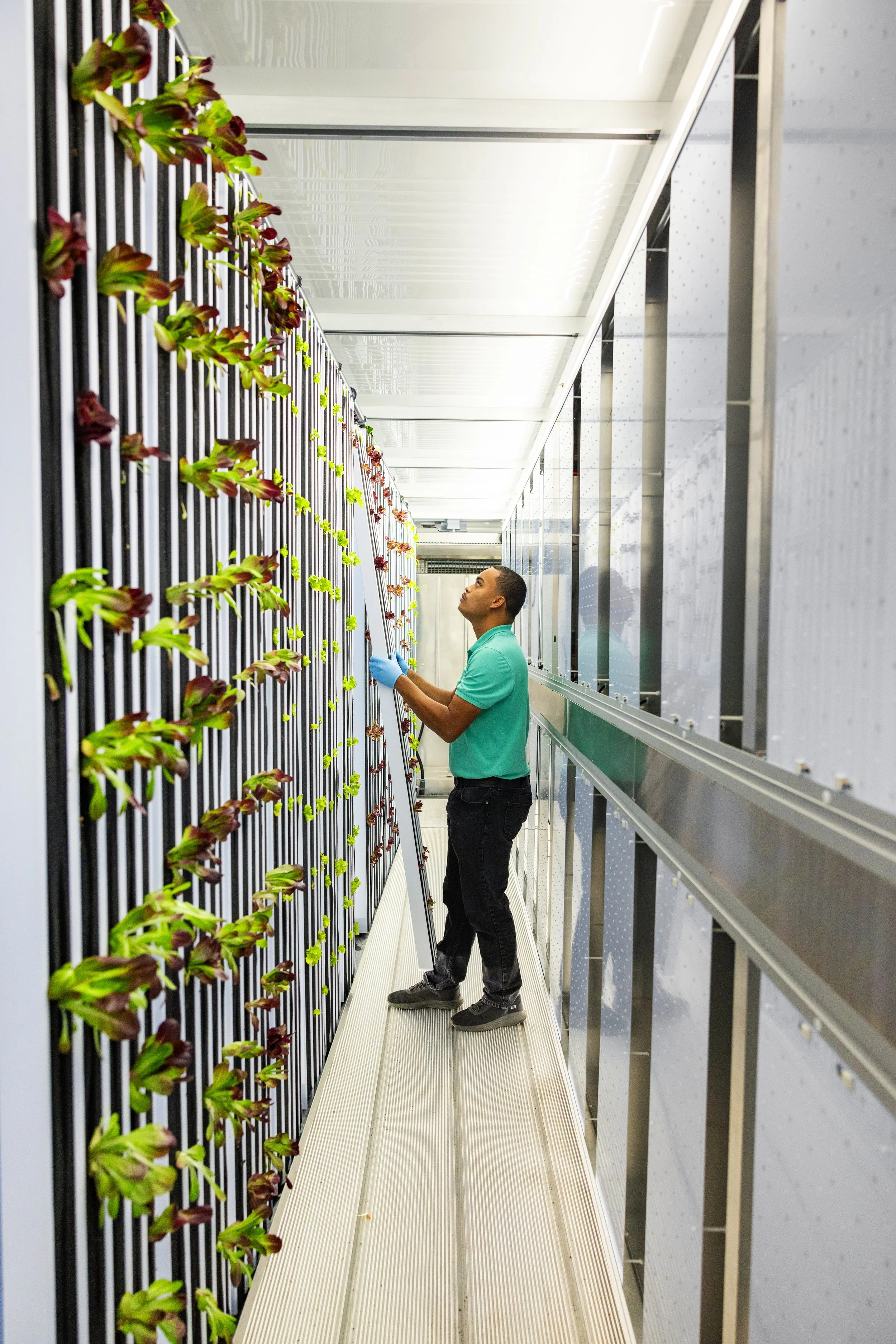
The Wellness Farm is a brightly colored 40-foot refrigerated freight container outfitted with 88 grow panels, two reservoirs for water and panels of LEDs providing the ultraviolet lighting that the plants need to thrive. The farm is located behind Anderson House, where the UMass Chan Office of Well-Being operates. The farm’s initial crop is salad greens, but the people who helped bring it into existence have high hopes for adding more produce in the future.
“The opening of this farm is a dream come true,” says Valerie Wedge, director of the Office of Well-Being. “We’ve been working toward this for several years and now we’re growing food. I can’t wait to distribute it to our community.”
At a ribbon-cutting ceremony for the farm in September, Suzanne Wood, director of sustainability and campus services at UMass Chan, explained that the vision of the project was connecting to the community and helping to address food insecurity on campus and in the neighborhood “in a way that’s sustainable.”
With its hydroponic approach, the Wellness Farm can support nearly 10,000 plants and uses fewer than five gallons of water each day. Next spring, solar panels will be installed on Anderson House’s roof. It’s estimated that the panels, the first on-site solar array on campus, will offset 20% of the farm’s electricity costs.
Using a high-tech approach to meet the basic human need for good nutrition is fitting for a campus noted for its cutting-edge science. UMass Chan Medical School boasts two Nobel Prize winners in recent years. Yet the campus’s gleaming, multi-story research structures stand in stark contrast to its neighborhood, where most families live in poverty and their children attend classes in aging school buildings.
The medical school is located in the North Quadrant of Worcester Public Schools, where there are 10 schools. In eight of them, more than 70% of the students live in low- income families. One of the Quadrant’s elementary schools, where children currently attend classes, is 146 years old. The North Quadrant is also home to the city’s largest public housing development.
It’s an area “that’s probably most in need of support,” says Kareem Tatum, EdD, executive director of schools for the North Quadrant.
The project to provide much-needed good nutrition to the medical school’s neighbors started three years ago during a lunch conversation between Wedge and a friend, who at the time was the chair of 2Gether We Eat, a community-based youth hydroponic farming program.
“She spoke with such enthusiasm about how it is helping bring fresh, locally grown produce to Worcester public school students and their families. It was something new and innovative; a chance to enrich the lives of young people in our community,” Wedge recalls.
She took the idea back to the medical school and partnered with UMass Chan’s Office of Government and Community Relations and the Office of Sustainability. Together they wrote a proposal and applied for the Commonwealth’s Office of Environmental Affairs Food Security Infrastructure Grant (FSIG). Their goal was to provide more equitable access to nutritional food and distribute it to address the needs of families in the medical school’s neighborhood.
Their proposal was awarded $418,670 to build a container farm on the campus of the medical school. A portion of the grant also funds support services from 2Gether We Eat, which runs the farm and trains volunteers from UMass to grow its crops.
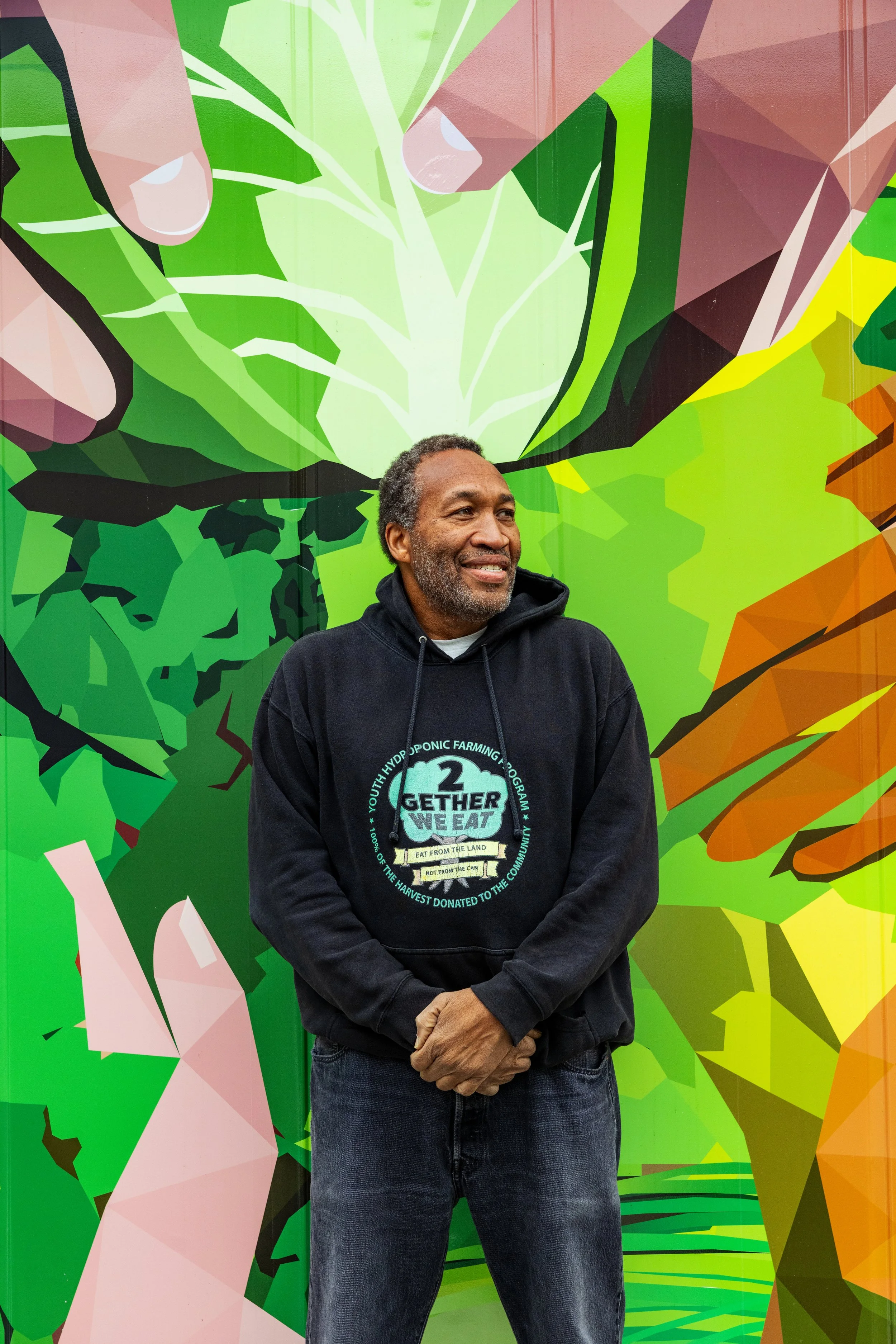
2Gether We Eat uses hydroponics to raise produce in container farms and donates 100% of it through food banks and nonprofit organizations. With after-school and summer programs at two container farms at Worcester public schools, the organization is teaching young people about nutrition as they learn how to grow produce from seed to harvest. It’s also helping fight the food crisis caused by food deserts in the neighborhoods where the students live.
“In one of the schools where we operate a container farm, one in seven of the students goes to bed hungry,” says Charles Luster, executive director of 2Gether We Eat.
Luster is animated when he talks about the possibilities offered by hydroponics, technology and the energy and creativity of the young people he works with. “It’s amazing how quickly these young people learn. They’re asking questions and developing their own approaches to problem solving,” he says. “They’re reading labels, rejecting additives and asking for healthy alternatives to junk food.”
Josh Lighten, head farmer at 2Gether We Eat, is a prime example of the organization’s success at developing young urban farmers. As he approached high school graduation, Lighten wasn’t sure of what his future held. A teacher recommended him to Luster, and soon Lighten was doing an internship in hydroponic farming. He quickly developed a passion for growing and has moved easily into his responsibilities as the farmer in charge of UMass Chan’s Wellness Farm. He’s also enrolled as a student at Quinsigamond Community College.
“It’s been so rewarding to see how Josh has grown into his job,” Luster says. “Like the younger students we work with; we listen to their dreams and let them know they are doable.”
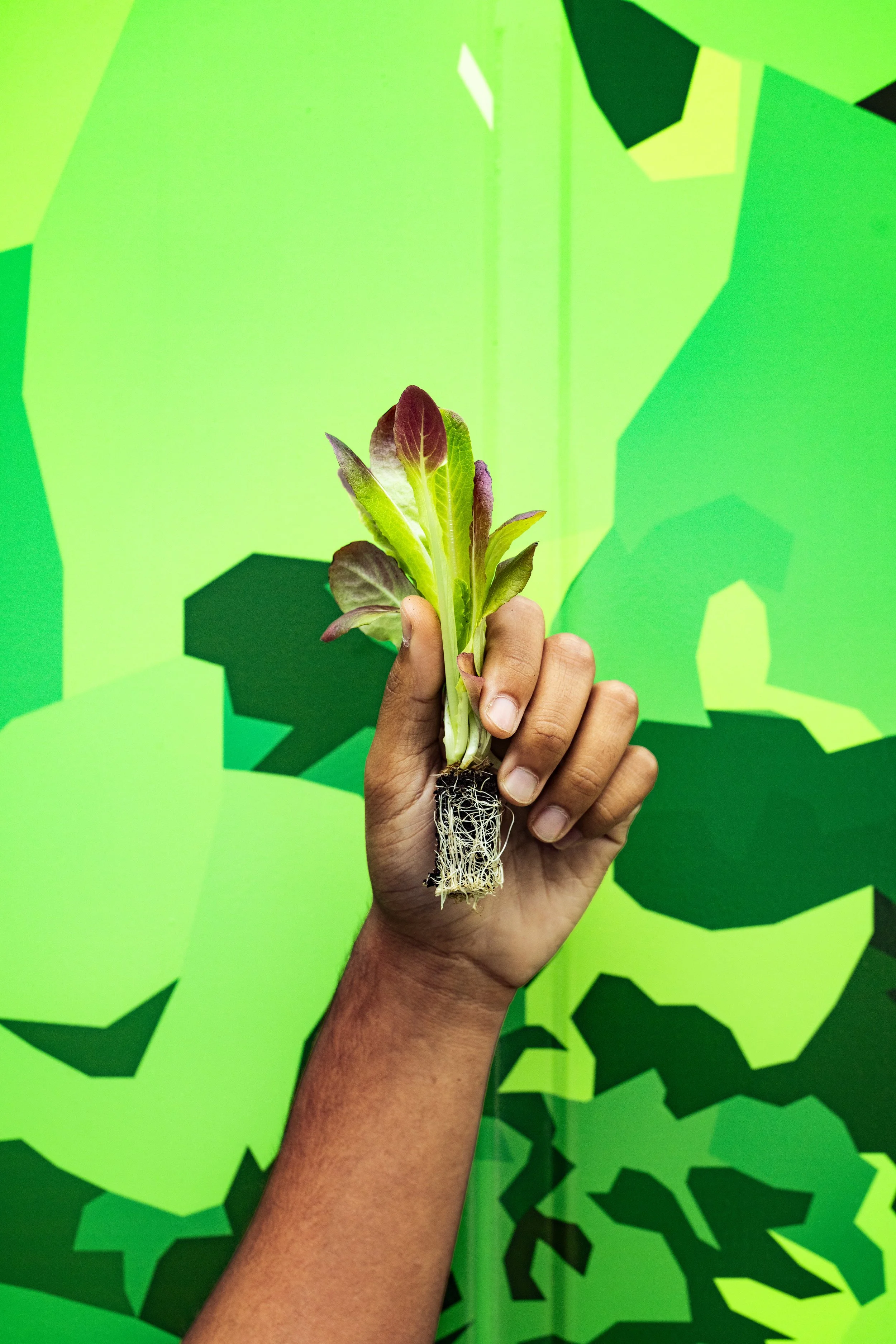
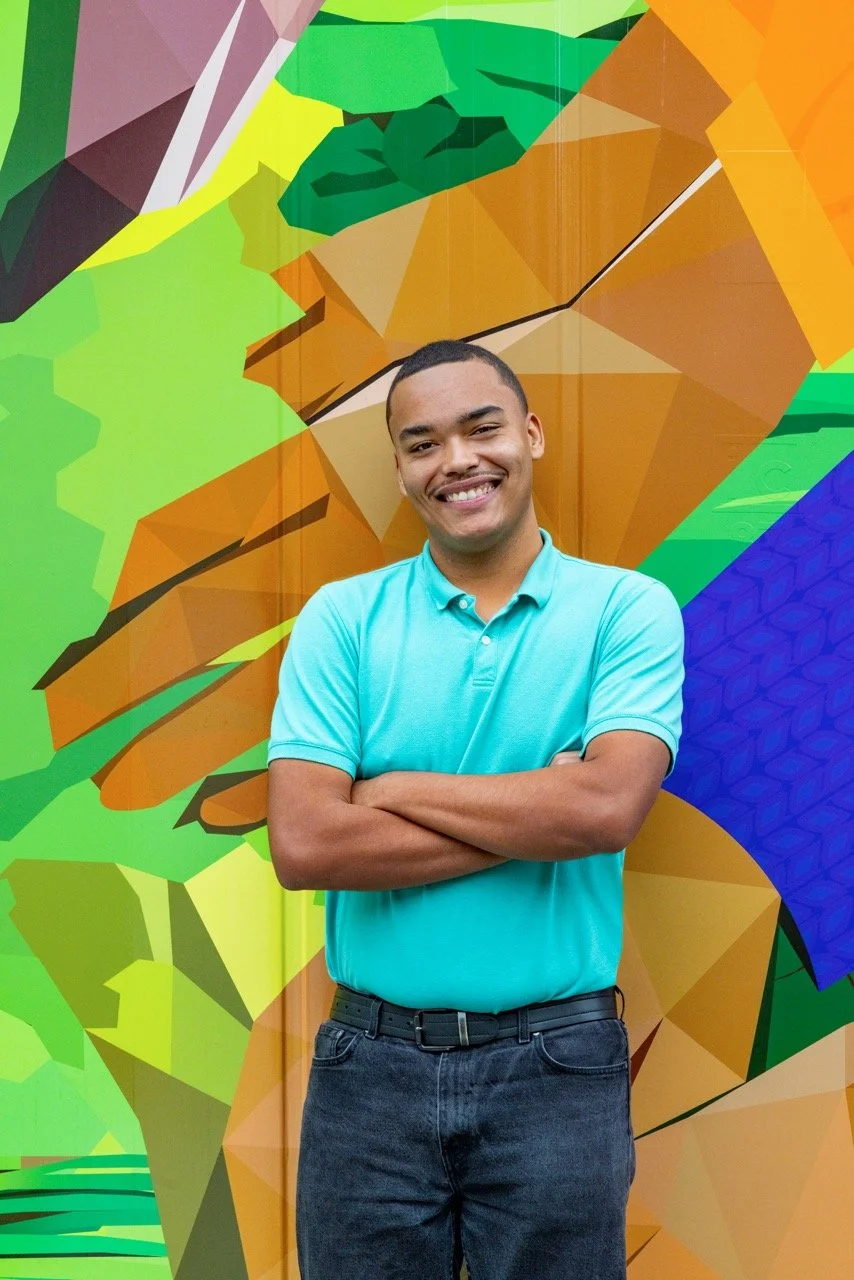
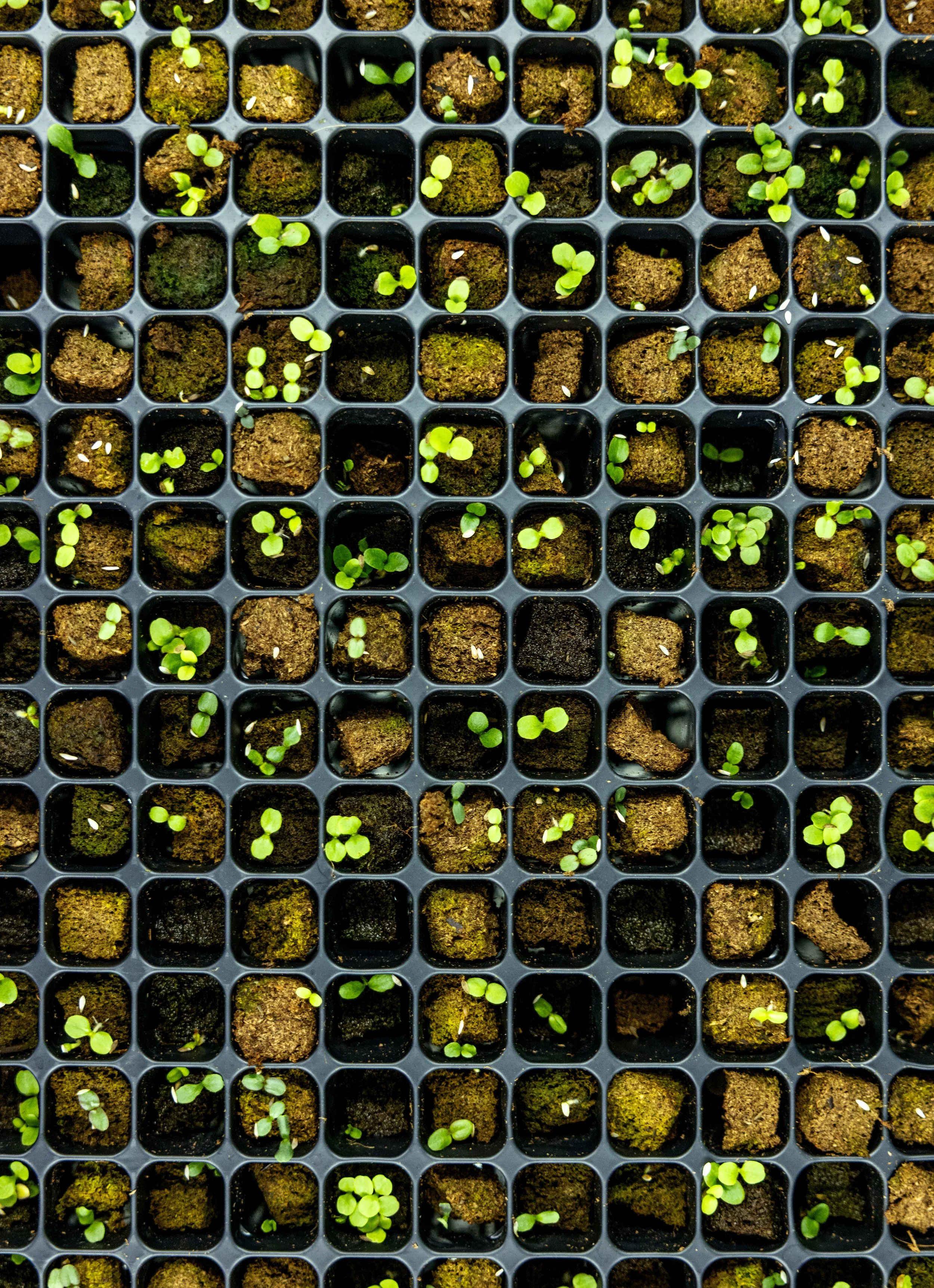
“I love being a farmer,” Lighten says. “It’s therapeutic and calming. I’m happy to get up and go to work every day.” Lighten’s dedication and care impressed the staff at the Office of Well-Being. Wedge recalls visiting the container farm one day “and there was Josh, meticulously planting these tiny seeds for salad greens one at a time in the growth media.”
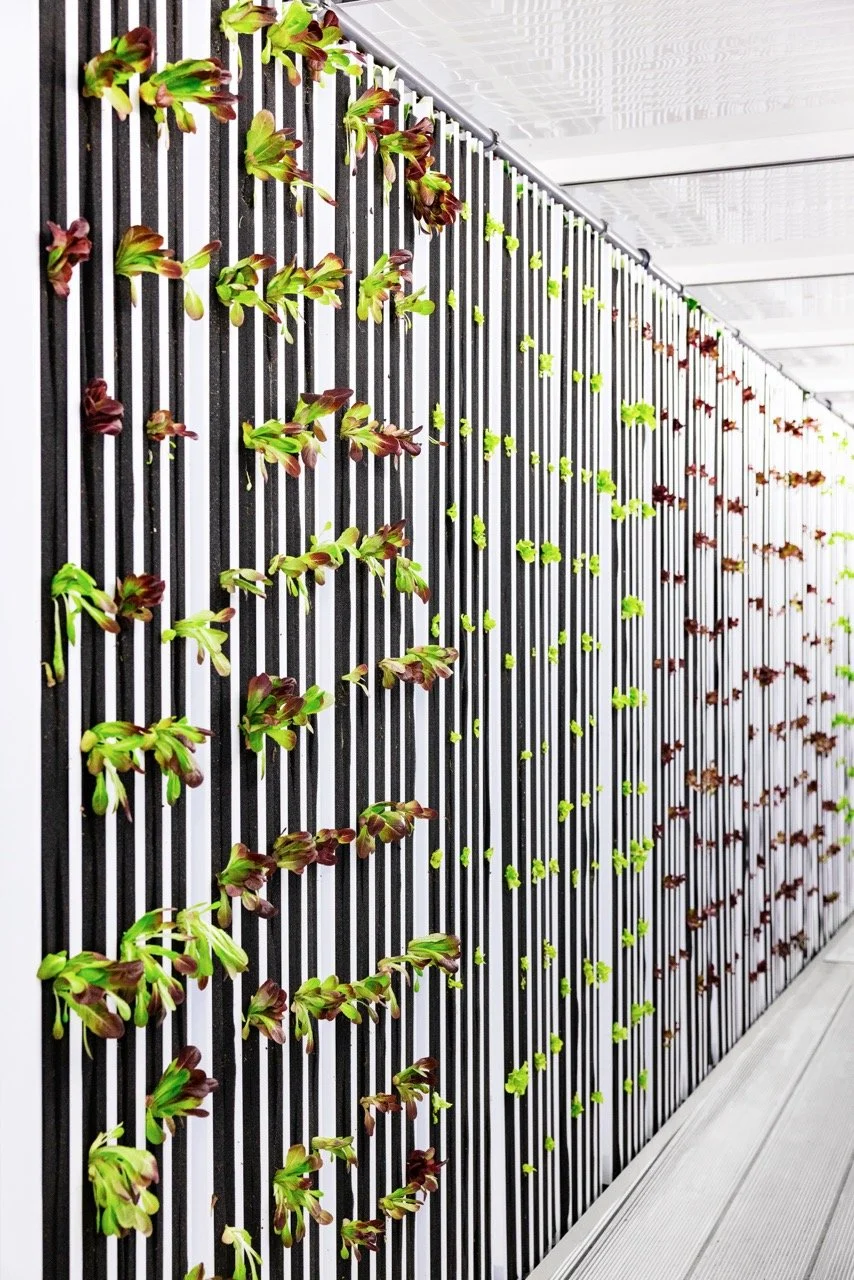
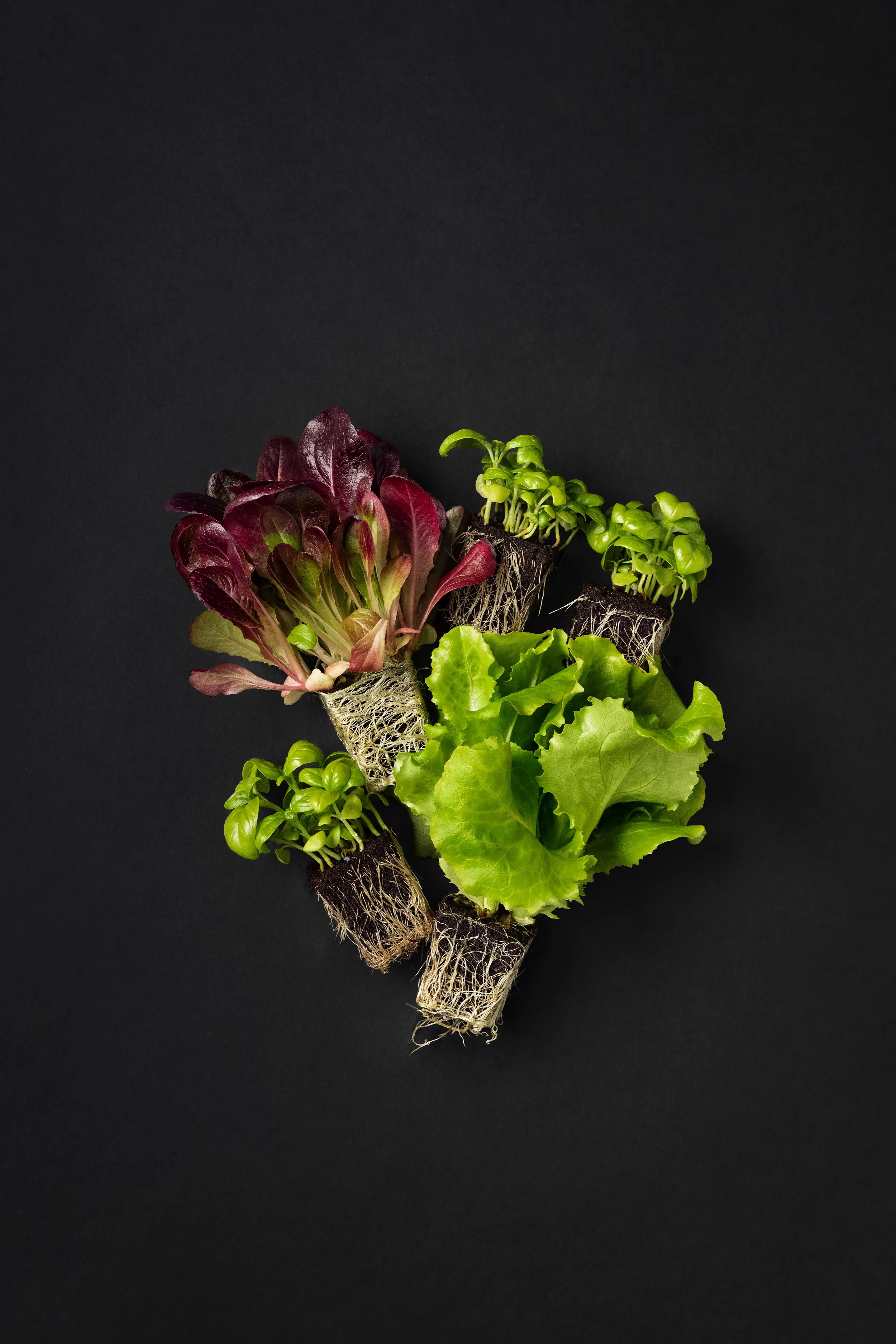
Wellness Farm produce grows in a medium of peat moss fortified by electrolytes. Its leafy greens grow on 88 vertical panels with drip irrigation and 14 hours of light daily, all programmed by computer software. The temperature inside the container farm is moderate, in the low 60s.
At one end of the freight container is a nursery where seedlings are nurtured before being planted. When they’re big enough, Lighten unhooks one of the grow panels and lays it on the nursery table. There, he and volunteers tuck individual seedlings into the panels, careful to plant them at a 45-degree angle so that water from the drip irrigation system directly hits the peat moss they’re growing from. When the panels are finished—evenly spaced in rows that give them ample room to expand—they’re hung in the container’s midsection where they will receive water, nutrients and ultraviolet light. In about three weeks they will be mature and can be harvested.
A software program on a laptop computer inside the container monitors the growth process and sends an alert to Luster’s’ and Lighten’s phones to let them know if something is amiss.
The farm has been enthusiastically received by staff and medical students at UMass Chan, where there is already a culture of caring for their physical and mental health. The school has long been supportive of volunteers, providing employees with 16 hours a year to use in volunteer efforts; many of them have been directed at public schools in the neighborhood. Over the years medical students have volunteered at youth-serving organizations in Worcester, such as Big Brothers Big Sisters, and have donated to food pantries operated by the schools. UMass Chan also supports the Max Baker Center, a food pantry and resource center for students at the medical school.
The Wellness Farm is a hyper-local approach to the problem of food insecurity, but there is potential for a lot more. As Tatum, the North Quadrant Schools’ executive director, notes, “When healthcare organizations, nonprofits and public schools come together, there’s hope. It’s fresh, nutritious food but it’s also community and caring.”
This story appeared in the Winter 2026 issue.
