
Building Better Brew: George Howell is Dedicating His Life to the Art of Coffee
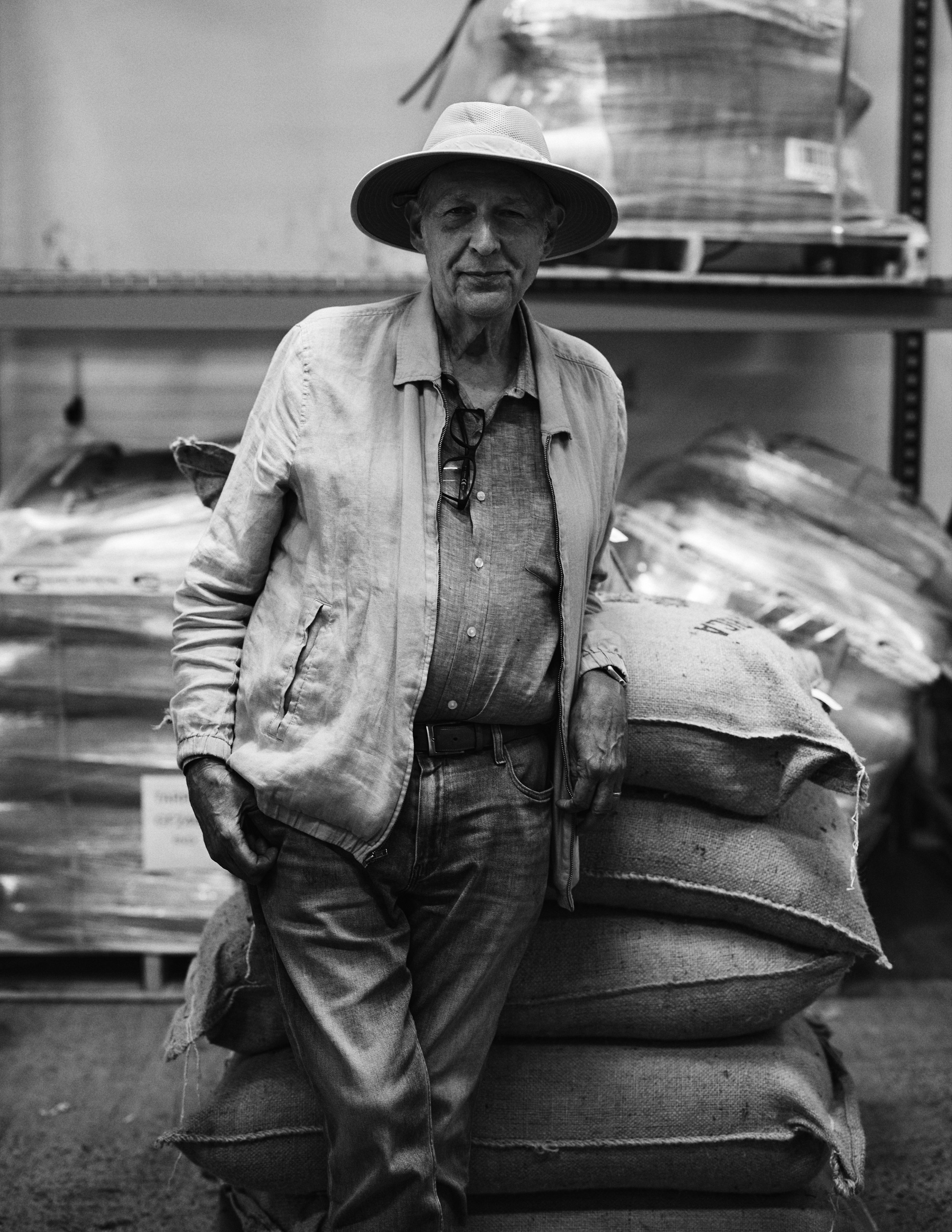

Photos by Michael Piazza
In the mid-1970s, George Howell was living in the San Francisco Bay Area, curating and exhibiting indigenous Wixárika yarn art. He was also drinking really good coffee.
When he and his family decided to relocate back to the East Coast—to continue promoting Wixárika art and possibly resume his studies at Yale University—he didn’t want to leave the coffee to chance. He brought coffee beans, a small grinder and a French press on their cross-country trek, and brewed his own coffee in Howard Johnson’s restrooms along the interstate.
But when Howell arrived in Somerville in 1974 with his wife, Laurie, their two children and another on the way, he realized pretty quickly going back to school just wasn’t practical with his growing family.
That wasn’t the only revelation he had back East: He found the coffee undrinkable.
“It was just terrible, impossible to drink,” he recalls.
Mail ordering beans wasn’t the convenience it is now, so when he ran out of his West Coast beans, Howell, who took his coffee black, resorted to adding milk just to make it palatable.
Little did he know that he was one idea away from revolutionizing coffee on the East Coast. While visiting with a friend near Somerville’s Davis Square, he saw a long line of people waiting outside the very first Steve’s Ice Cream, which invented the mix-in concept: blending toppings into ice cream.
Howell may not have registered it at the time, but the sight of people willing to wait for something so innovative, coupled with what he perceived as a dearth in the local coffee industry, may have been the impetus for what came next.
In 1975, he and Laurie founded The Coffee Connection, opening the first of its cafés in Cambridge. And hence began his mission to indoctrinate consumers on this side of the country to the world of specialty coffee.
From the beginning, Howell has worked to boost his credo that coffee deserves to be appreciated with the same respect and nuance as wine and tea, and as an agricultural product whose terroir matters.
“High quality coffee should join fine tea and wine as a recognized noble beverage within our culture,” he says.
Over the last 50 years, Howell has proven his point as he’s built a reputation as a pioneer, innovator and educator in the specialty coffee industry.
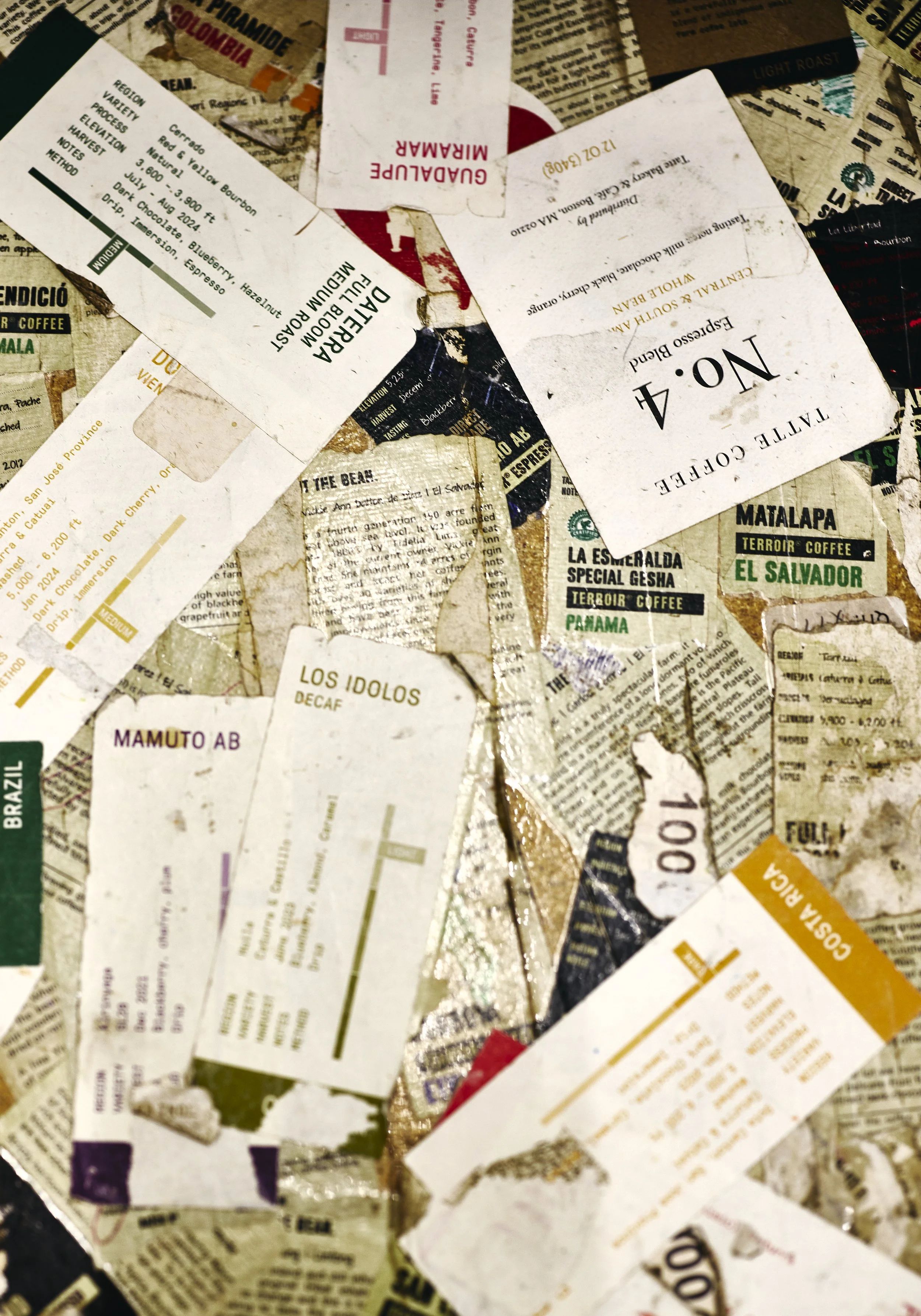
While offering a tour of the George Howell Coffee Roastery in Acton, Howell beams as he shares the story of his career, with its many milestones. A line of small glass cups with samples of freshly ground coffee awaits to demonstrate “cupping,” a tasting process to assess quality as well as aroma and flavor profiles; it’s how new coffee is evaluated and how uniformity and quality control are ensured for coffee that’s been chosen and acquired.
Howell compares his company’s role to that of a pianist with a great score of music to play.
“We are interpreters of the symphony composed by farmers,” he says.
Howell takes this responsibility seriously.
In fact, it’s a testament to Howell’s dedication to quality that has defined the business over the years and kept Howell at the forefront of innovation. At each turn, he’s paid attention to his instincts and pushed for the best way to deliver the best coffee to consumers.
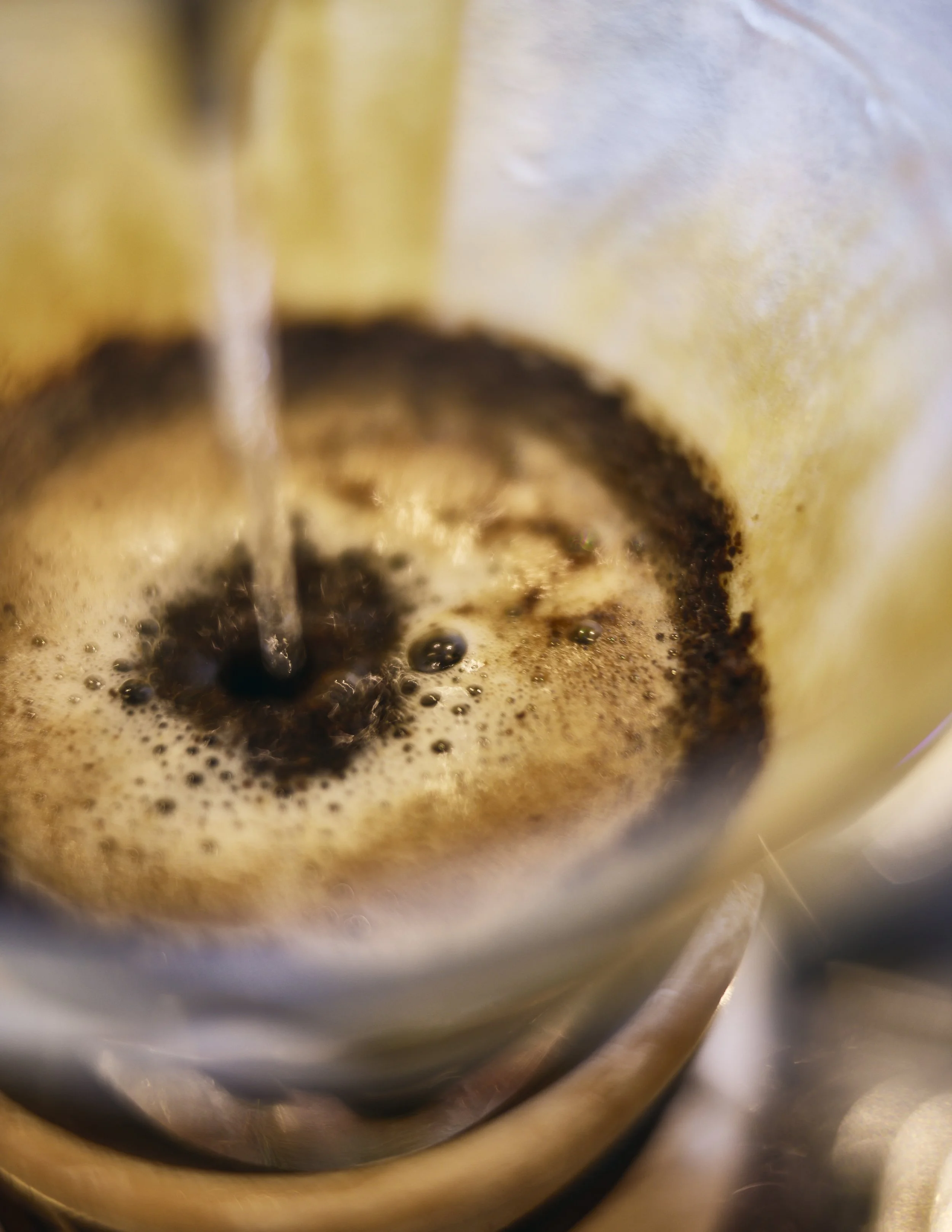
For starters, when he opened the first Coffee Connection café, Howell determined that he needed to roast his own coffee in order to ensure the best quality. He bought a German roasting machine and set up a roastery in Burlington, meticulously documenting the process with a daily roaster chart. In the café, consumers enjoyed individually made cups with the French press of more than 20 coffees, each time-stamped with a roast date—two revolutionary practices at the time. In addition to coffee, equipment was sold on site, with spare parts at the ready.
“We were like a hardware store,” Howell recalls. “If you were missing a screw, we had it… You’re hearing a little bit of the fanaticism with which I approach things.”
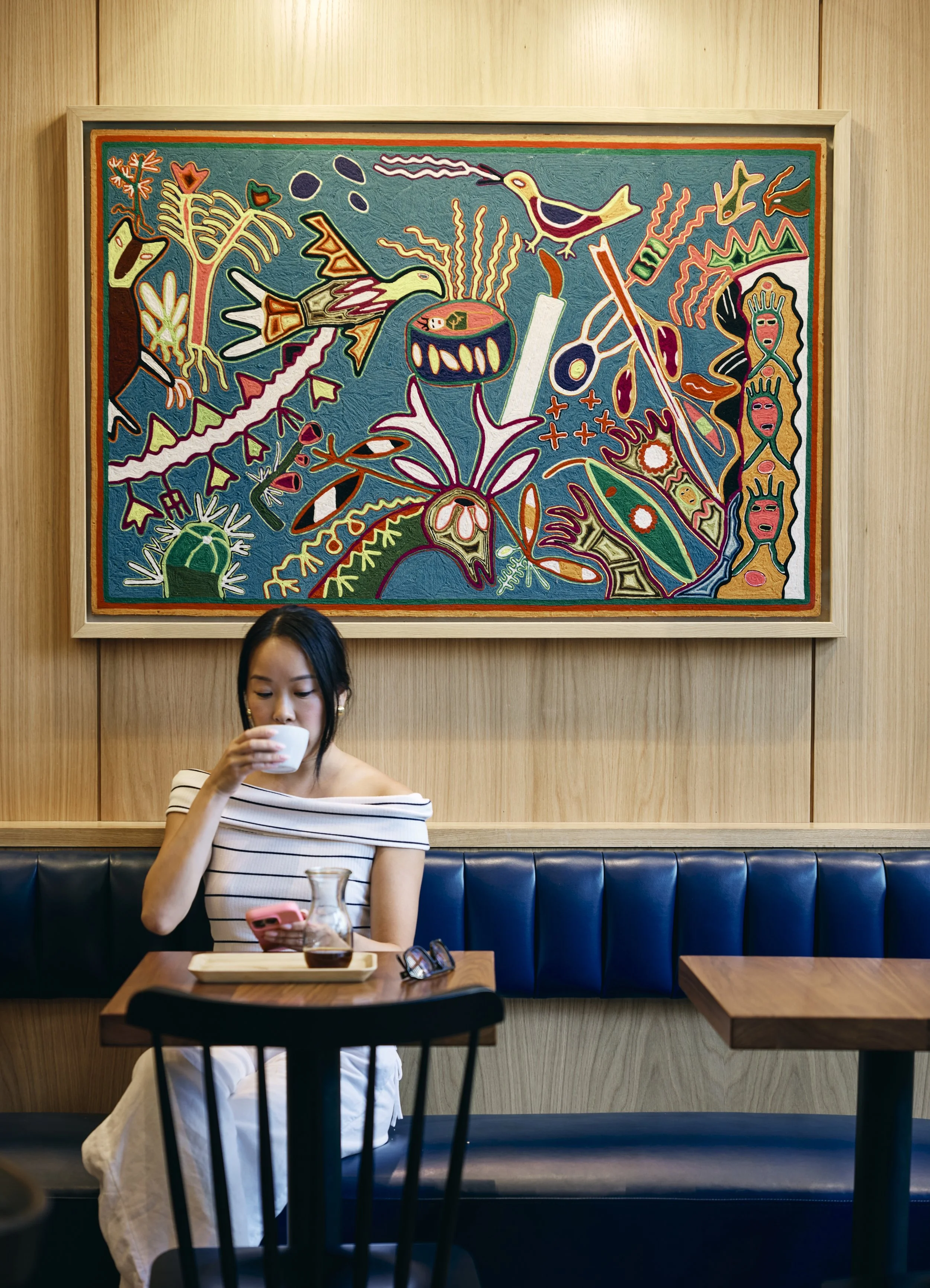
Between 1975 and 1994, Howell grew The Coffee Connection to 24 cafés from Massachusetts to New Jersey. The ones around Boston featured the Wixárika yarn art on its walls—a way to bring together his passions for the indigenous art of Western Mexico and specialty coffee.
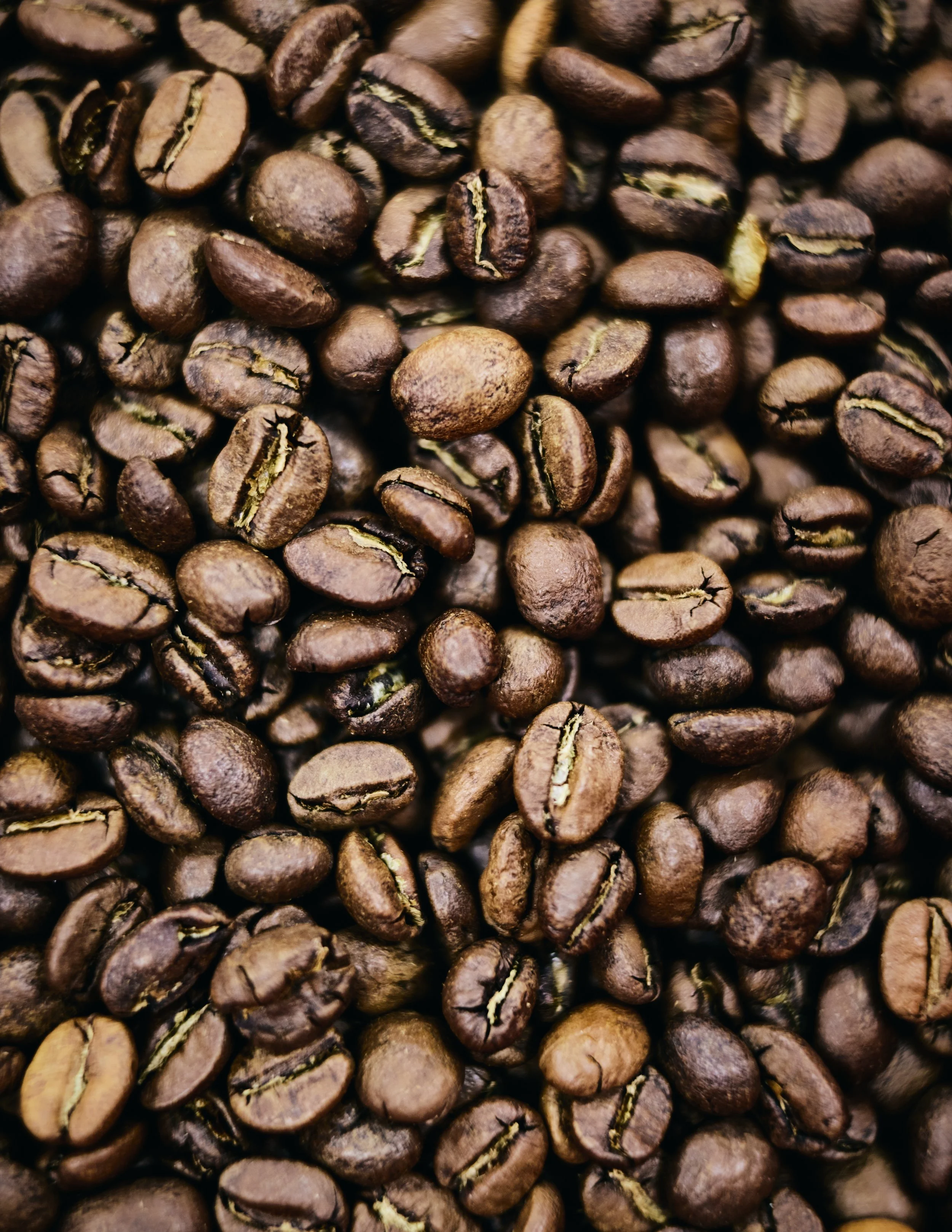
Indeed, Howell brought the same loyalty he showed to the artists to the farmers when, in the ‘80s, he began introducing single-estate coffees to American consumers and focused on the farms’ critical role in the development of quality coffee.
Another innovation came in 1992 when Howell developed and trademarked the Frappuccino. Two years later, Starbucks acquired the Frappuccino along with The Coffee Connection and all its locations.
After the sale, Howell may have moved on from The Coffee Connection, but he didn’t leave coffee behind. He served as a coffee quality consultant for Brazil as part of The Gourmet Project, an initiative of the United Nations’ International Trade Council and the International Coffee Organization, creating models of economic sustainability or coffee farmers.


“The goal was to improve the quality of coffee at the farm level, in order to raise prices for farmers entering the specialty coffee market that was happening in the United States, Europe and Asia, specifically Japan,” he says. “We asked, ‘How can we improve the industry and make it better for farmers?’”
“I went from being an art collector and lover of the art of coffee, to actually understanding that the farmers were artists,” he says.
This work influenced him to co-found in 1999 The Cup of Excellence—the world’s first international coffee competition and international internet auction that helped break the commodity/price cycle in the specialty coffee industry.
Howell’s work has not gone unnoted: He has been duly recognized for all he has done for specialty coffee with lifetime honors from the Specialty Coffee Association of American and the Specialty Coffee Association of Europe for raising the standards and advancing quality.
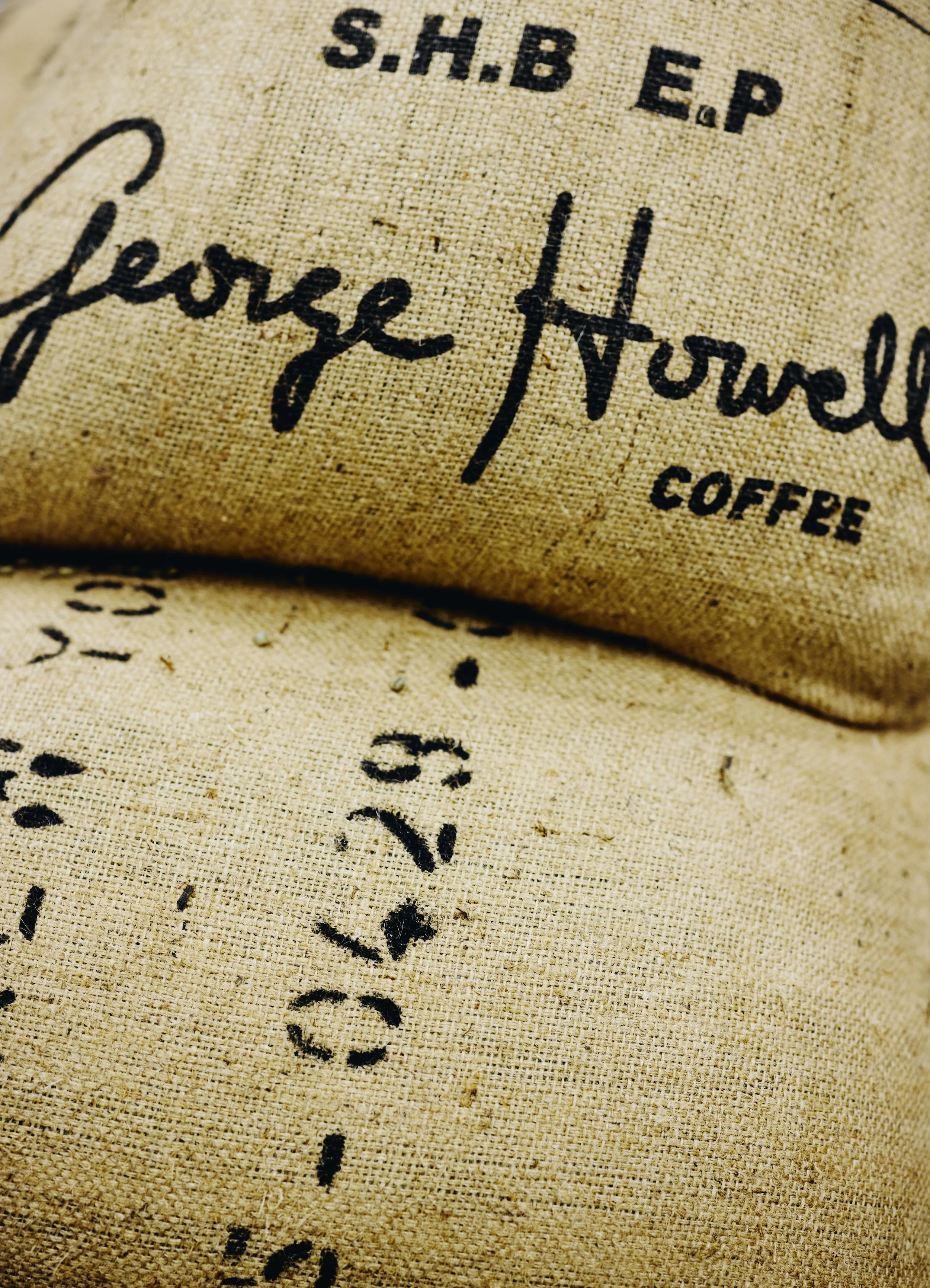
With such a wealth of knowledge and experience advocating for farmers, Howell’s next move tracks: In 2004, George Howell Coffee was established with a focus on single-origin farmers.
True to form, Howell, who serves as the company’s CEO, continued innovating. In 2005, he pioneered freezing coffee—a practice the company retains today to stop the bean’s aging process and preserve its quality, freshness and flavor.
“Very few roasters are still freezing—it’s an added cost,” says Howell. “But for me it’s about representing the farmer the same way I’ve represented the artists. We’re representing the farmer, from start to finish.”
That means advocating for quality, staying faithful to the creator and preserving the integrity of the farmers’ work.
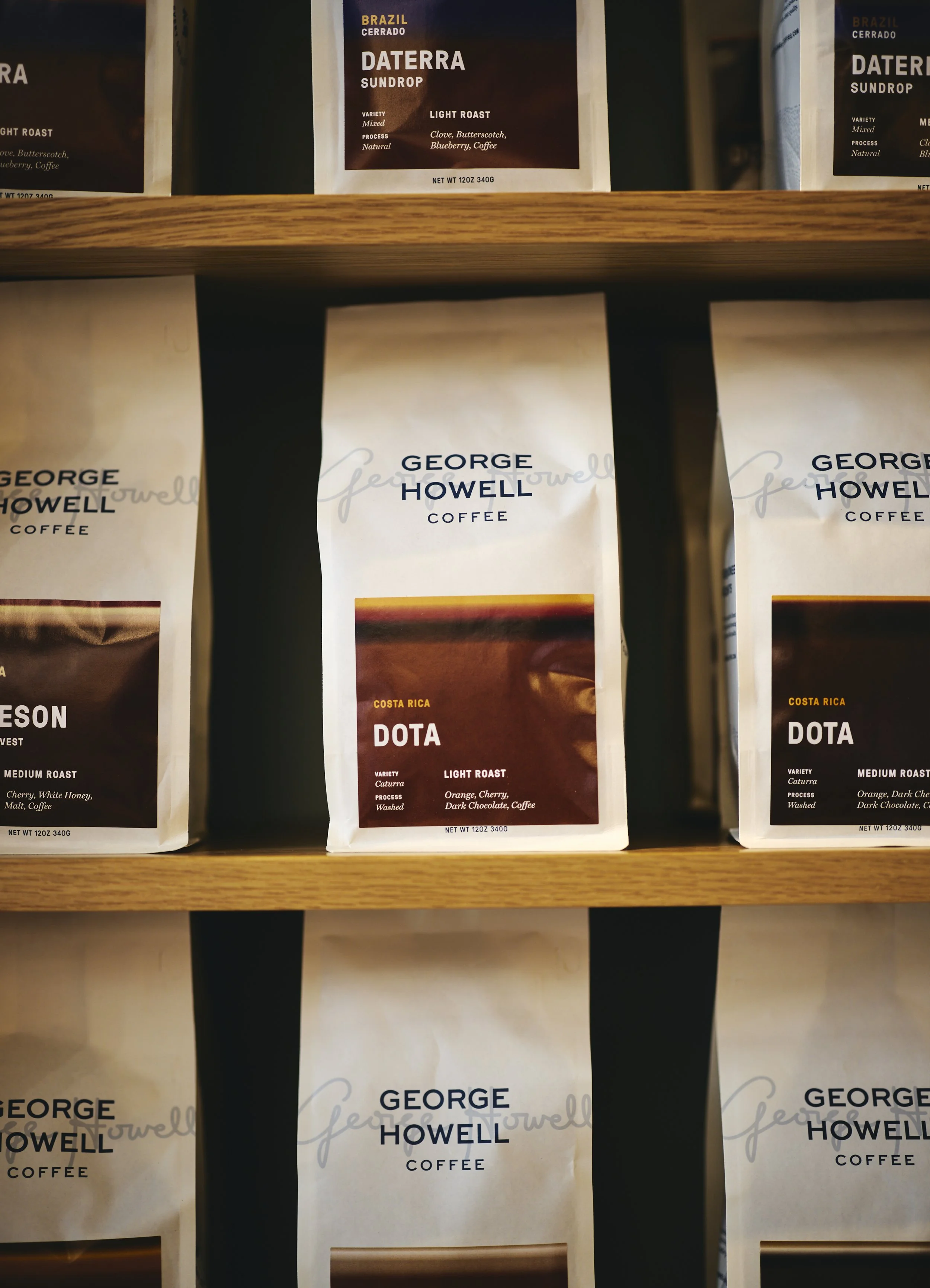
And incidentally, George Howell Coffee bags are like works of art themselves: displaying gradients of color like paint swatches to alert the consumer to the layers of flavors notes in the coffee.
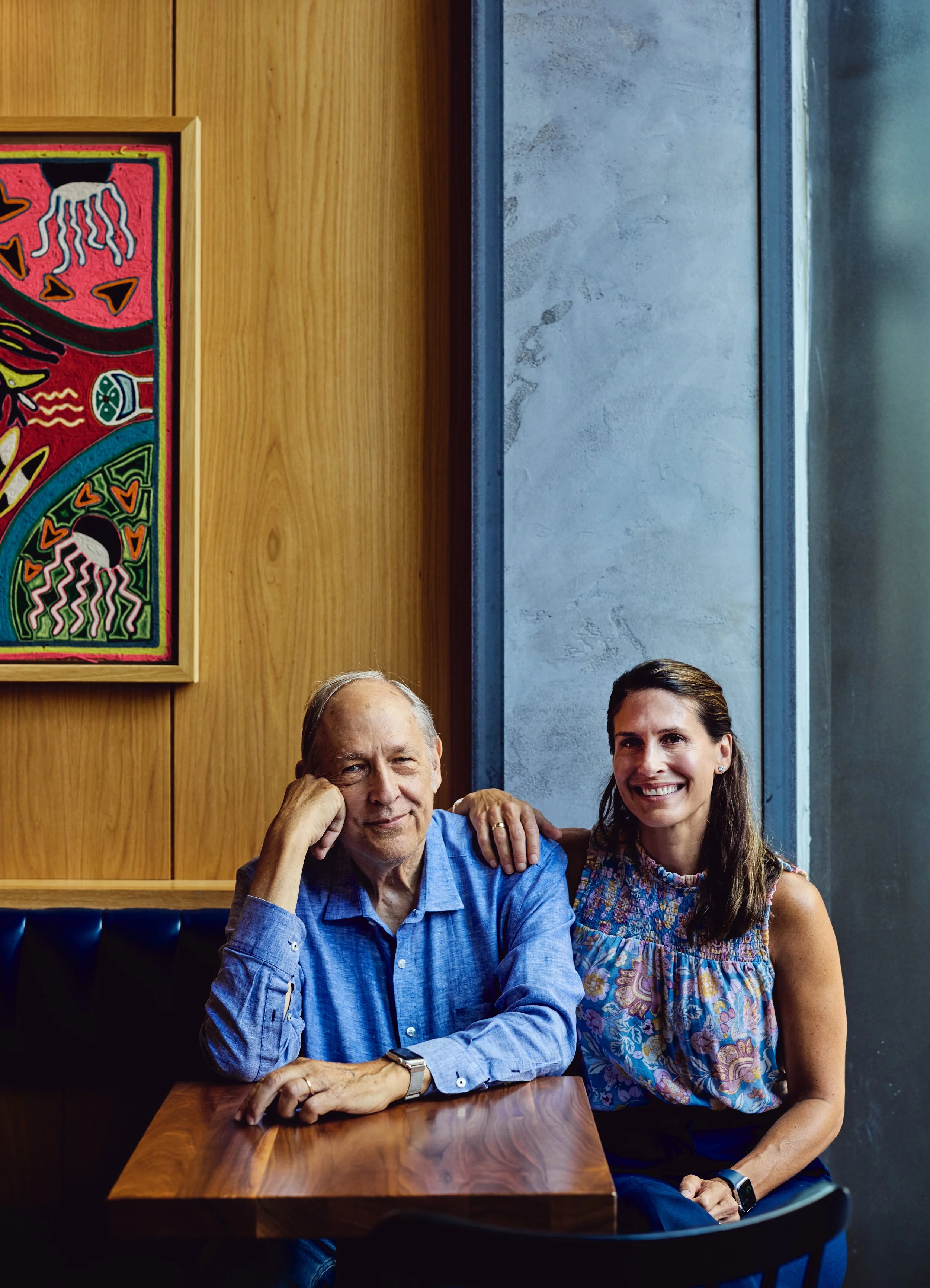
“We wanted these [bags] to emotionally tell you what the coffee is like,” says Jennifer Howell, George’s daughter and vice president of George Howell Coffee, who has assumed her father’s role as director of coffee sourcing and quality control.
In addition to the magic happening at the roastery— from roasting to quality control to brewing to packaging—consumers can experience George Howell Coffee at a handful of cafés. In 2012, Howell got back in the café game and opened the first George Howell Café in Newtonville. Today, there are four cafés.
Not only do consumers enjoy the coffee, but they’re bound to learn about the product along the way—much as they did in the early days of The Coffee Connection.
And just as it was from the beginning, the education is a two-way street. Howell and his colleagues are continually discovering ways to innovate and improve.
“The learning doesn’t stop,” he says.
This includes addressing climate change, which is wreaking havoc for coffee and farmers. Howell and his team are now working with a team at a Kenyan farm to create protective infrastructure and investigate regenerative agriculture to improve the soil.
“As we grow, we hope to have rising resources to begin working with another, perhaps indigenous small farm, this time in Guatemala,” he says. “We learn together.”
It’s another example of Howell doing all he can to do right by the farmers.
“Most coffee farmers remain in survival mode and live on the edge,” he says. “There are genuinely craft-driven farmers out there. They deserve a future that reflects the care they put in what they sell.”
This statement exemplifies Howell’s trademark tireless advocacy for farmers and specialty coffee that has led to innovation and solutions over the span of his career. It’s not lost on him that the stories and lessons deserve to be shared; he’s working on a book that will encapsulate a 50-year love affair with coffee.
“I’m just getting started,” he says.
One has to wonder if he’s speaking about more than the book, and what George Howell Coffee next has in store for the specialty coffee industry.
If it’s anything like how he describes a perfect cup of coffee—”one that retains its flavor, from the first sip all the way to the last sip”—he won’t disappoint.
georgehowellcoffee.com // 312 School St., Acton
This story appeared in the Fall 2026 issue.
