
A Harvest Heritage: 45 Years of Fruit and Family at Tougas Farm
Photos by Michael Piazza
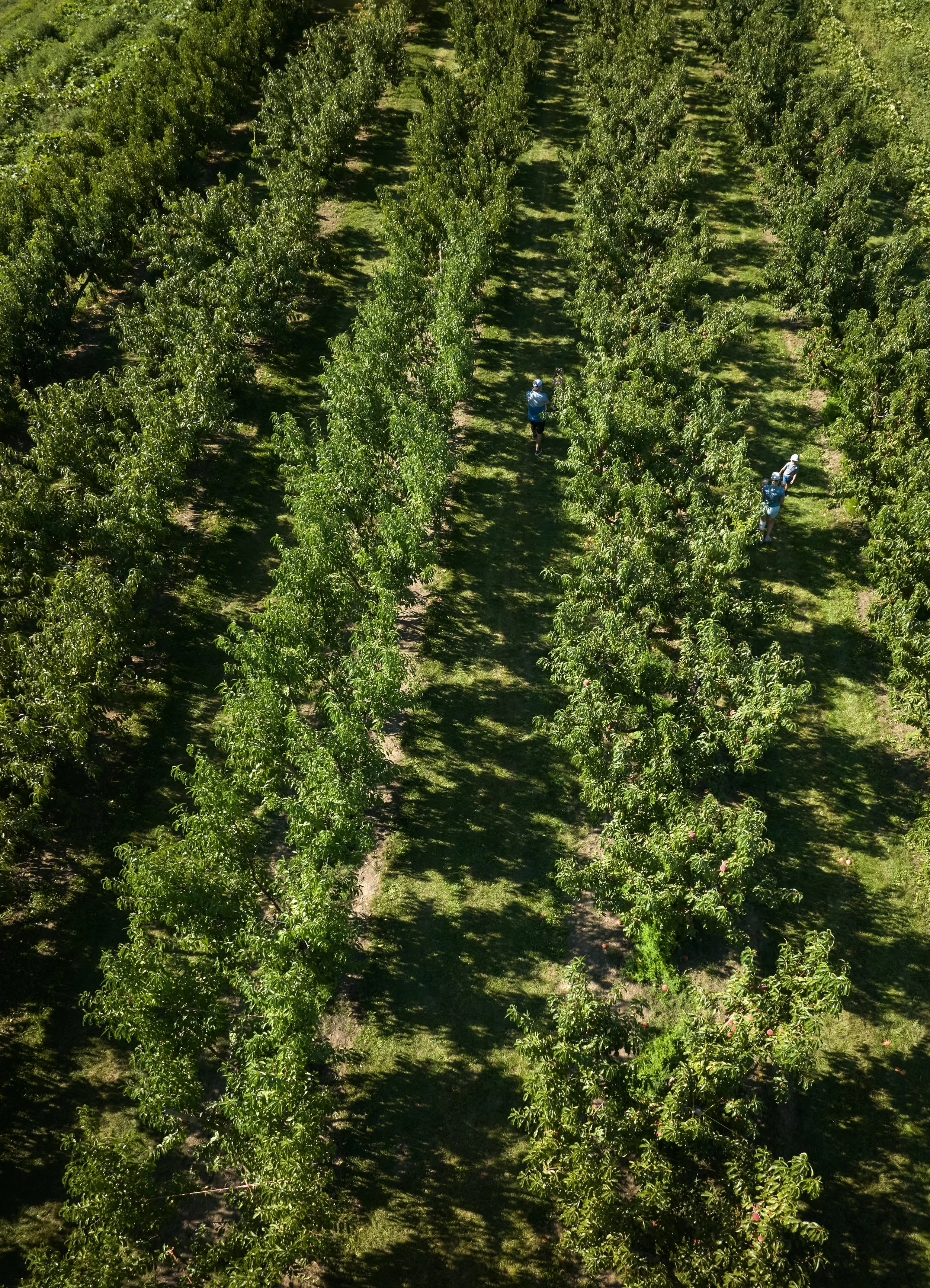
Mo (Maurice) and Phyllis Tougas shared a vision of bringing a farm experience to urban and suburban families when they bought an aging apple and peach orchard in Northborough 45 years ago.
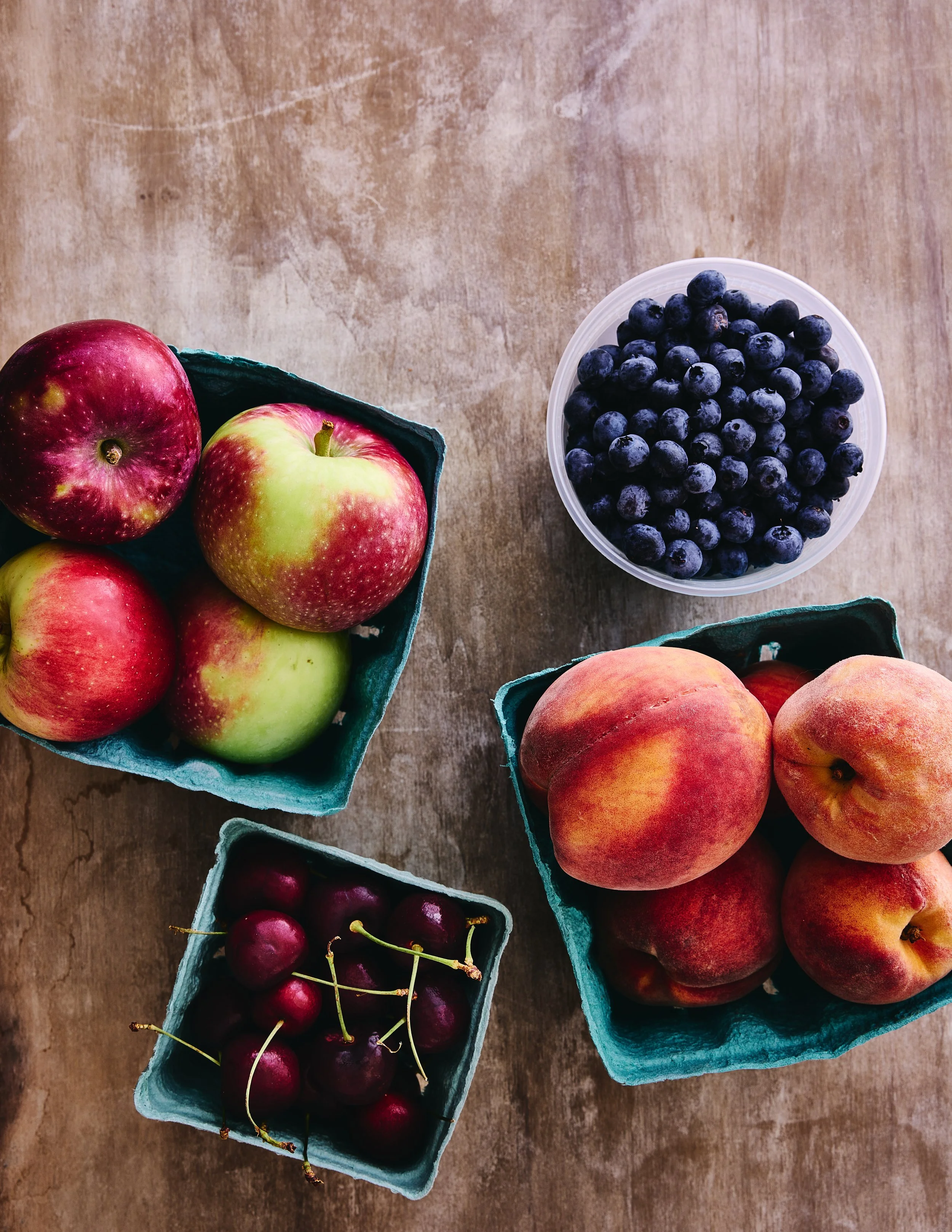
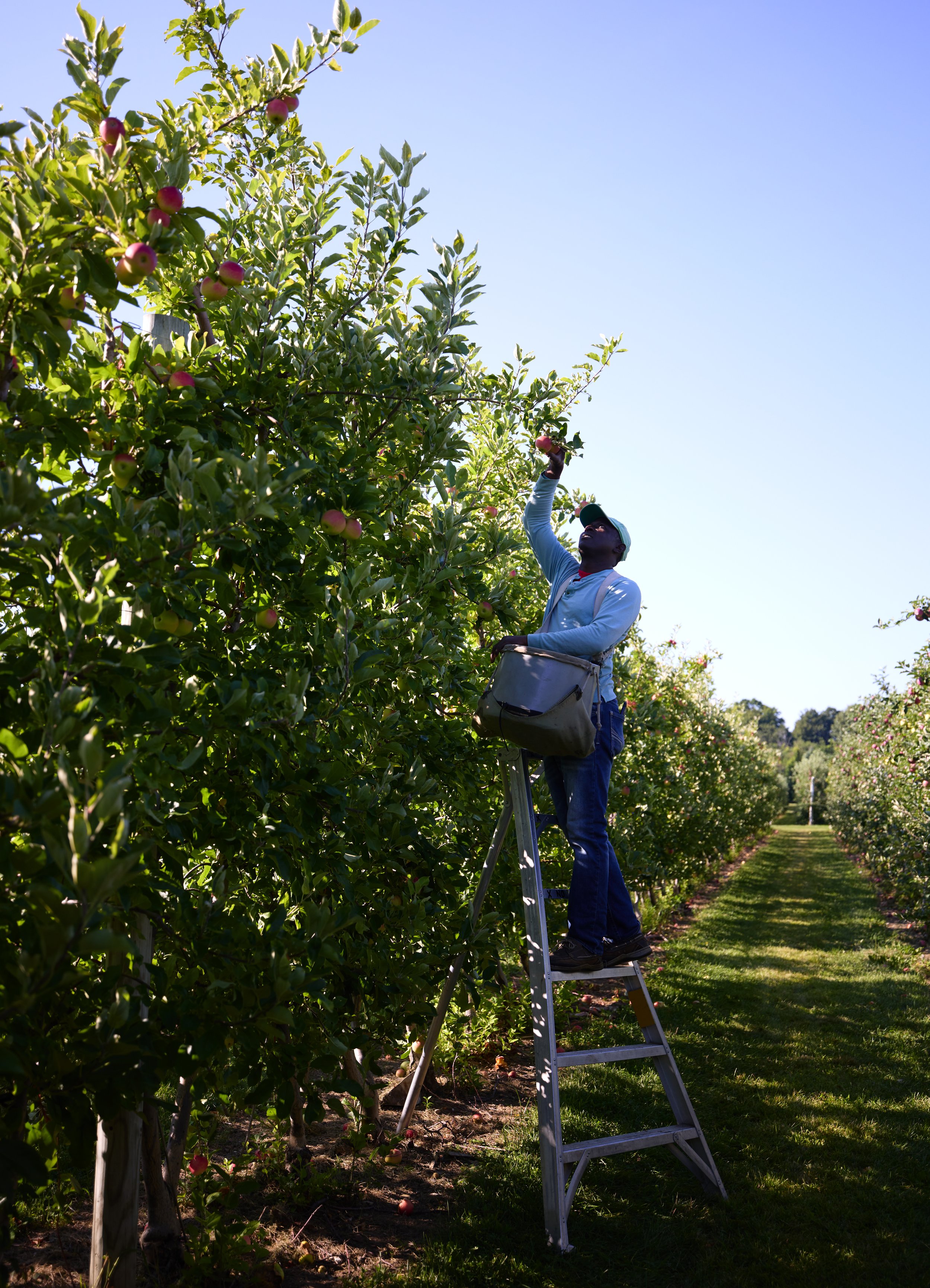
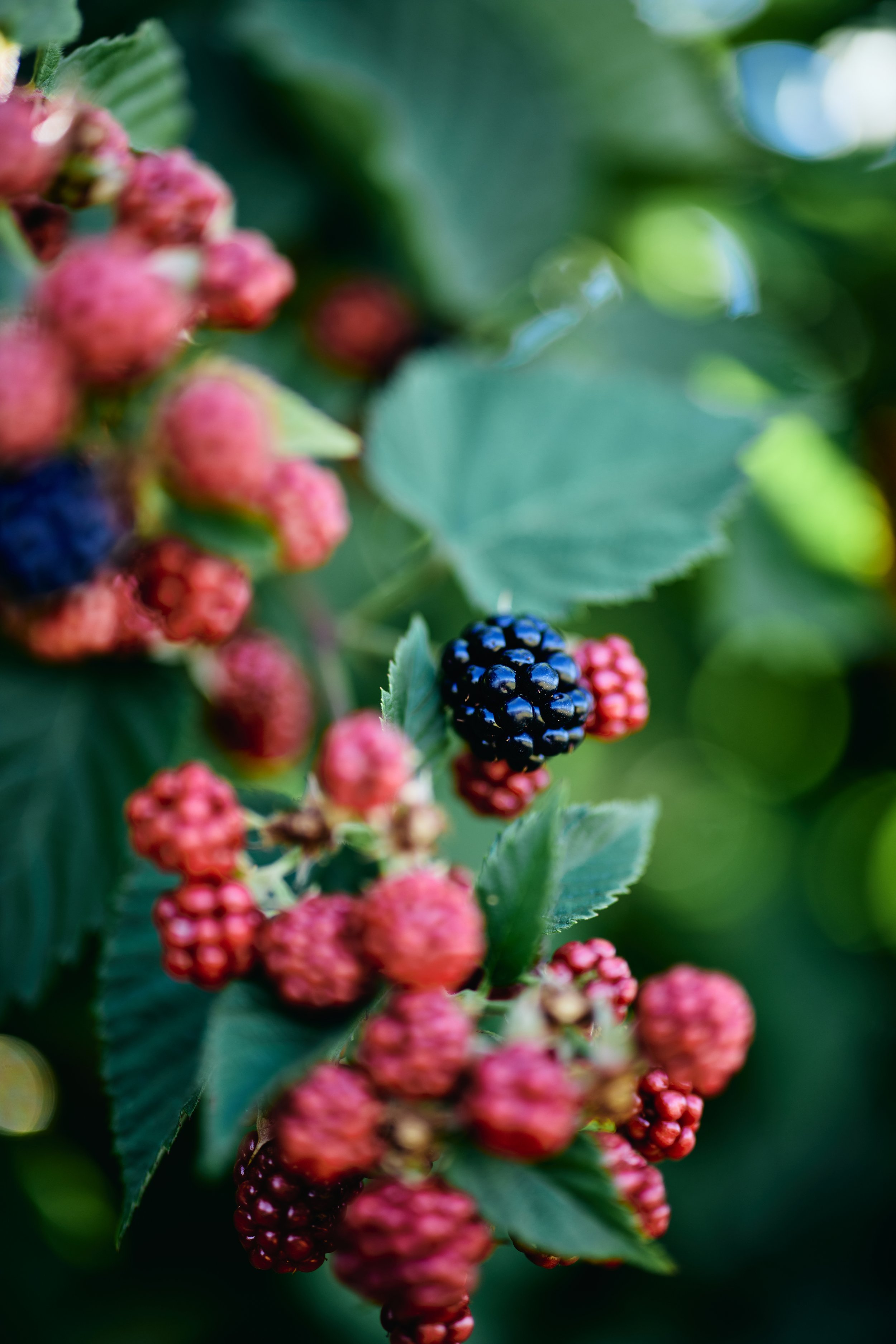
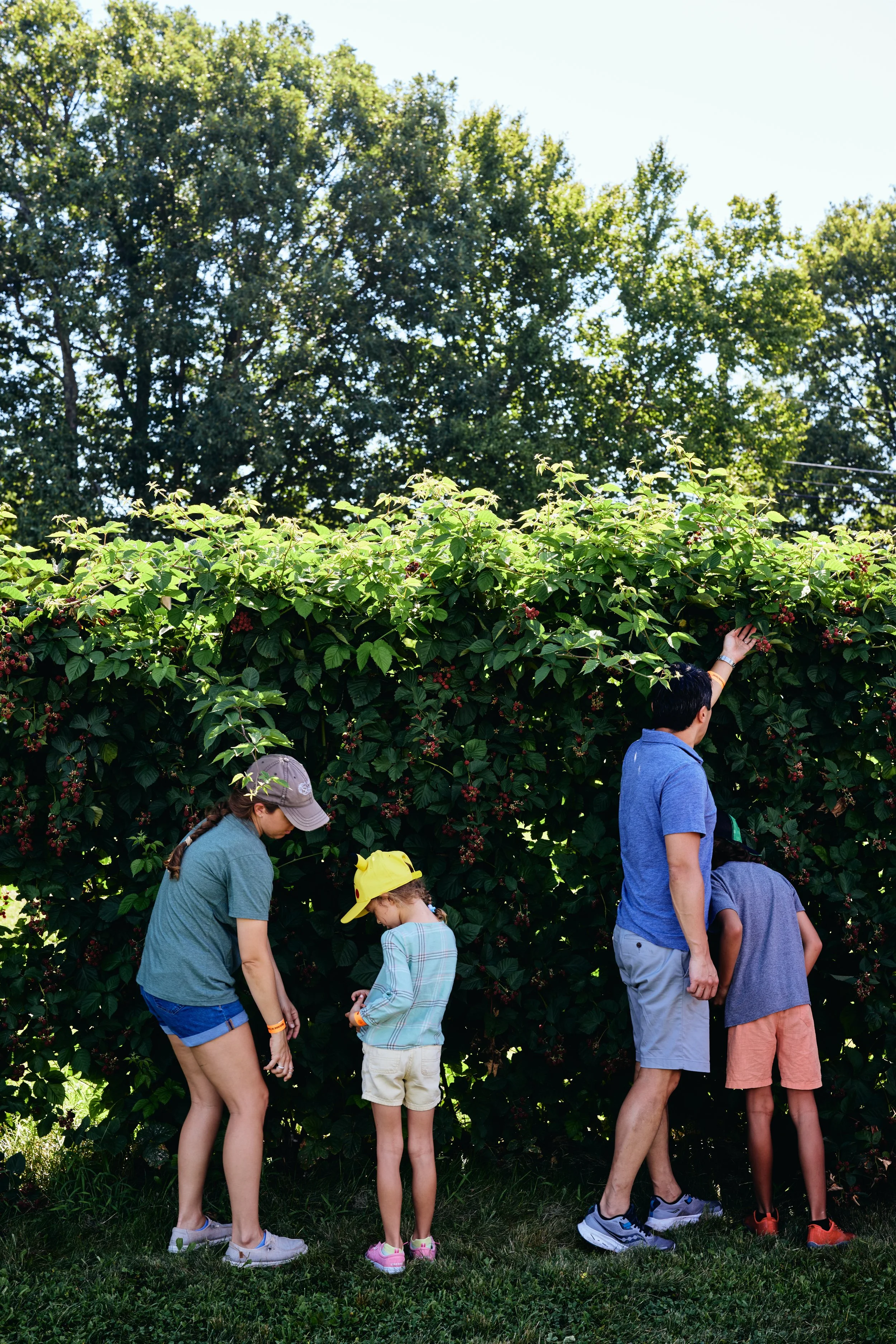
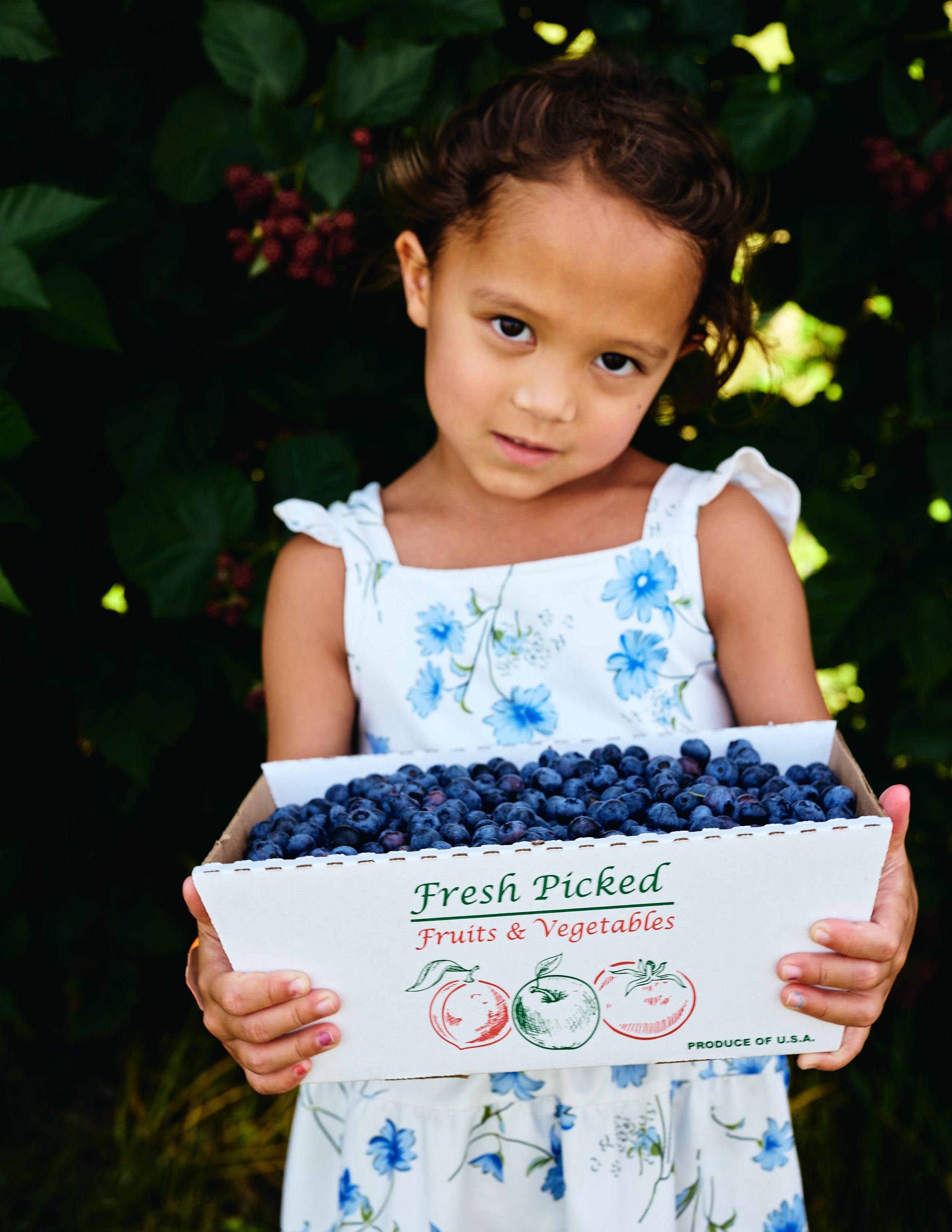
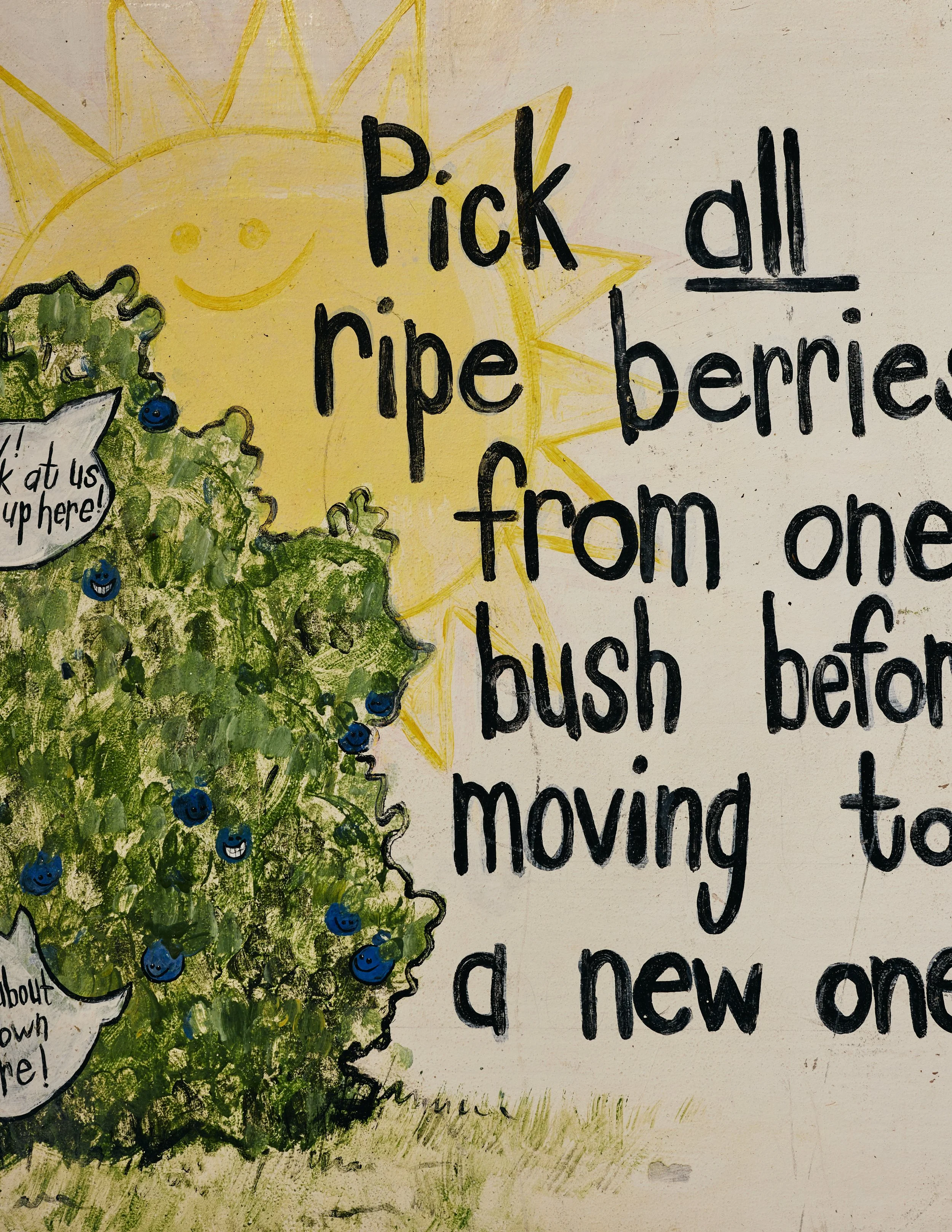
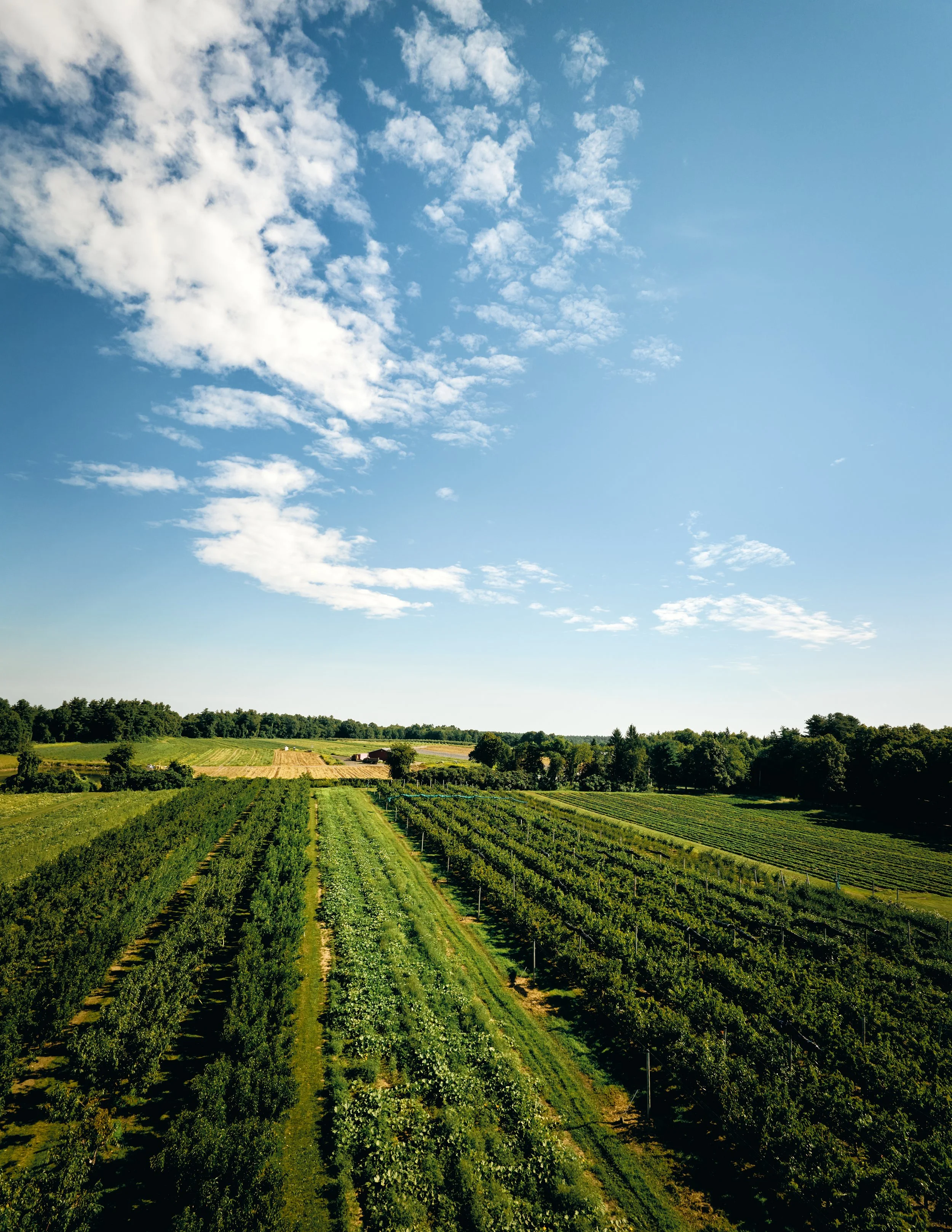
Although neither of them grew up on a farm, the couple had worked in agriculture. Mo and Phyllis learned more about farming as they developed the orchard, adding acreage to eventually double the original size. They hired a crew from Jamaica and planted new crops, adding blueberries, strawberries, blackberries, cherries, nectarines and pumpkins. Today, Tougas Family Farm is one of the largest pick-your-own venues in New England.
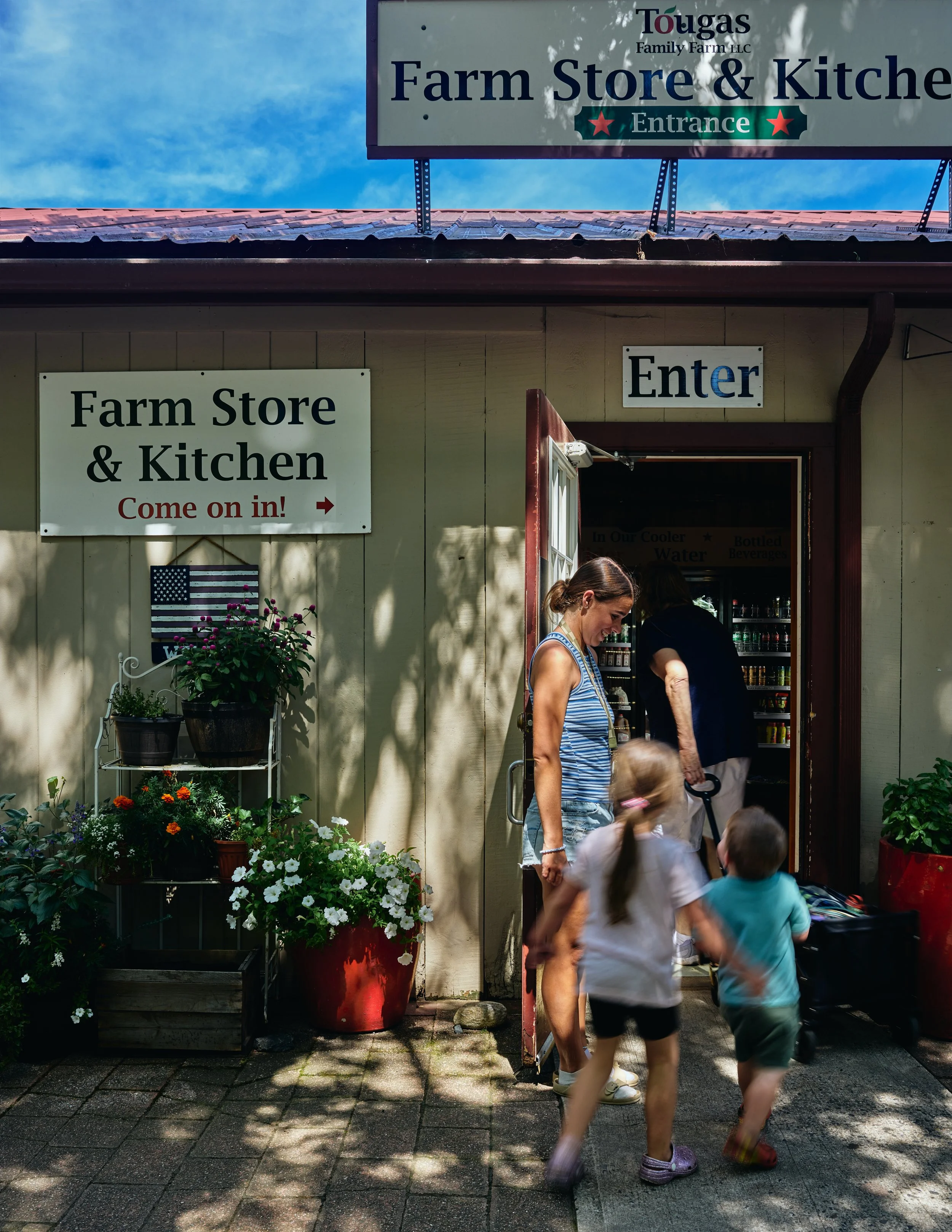
If you visit at the height of apple season, you will likely find a long line at the farm entrance, where you will pay for a box to fill with fruit and get a wristband that allows you access to the fields. It’s a short walk, or you can board a wagon pulled by a tractor. Afterwards, you can buy sandwiches from the farm store or burgers from the Grille and sit at picnic tables in a shaded courtyard.
There is locally made ice cream from Bliss and Giffords, homemade pies and fruit cobblers from the farm’s bakery and a beer garden serving local brews, hard cider and wine. There’s also a Donut Hut for freshly made cider donuts and caramel apples. Kids can play in a farm-themed playground or feed treats to a small herd of goats, some guinea fowl and an alpaca.
The farm has come a long way from the modest 53-acres Mo and Phyllis purchased in 1981. Mo had studied agricultural biology at the University of Rhode Island, and went on to get a master’s of education degree before working with the Cooperative Extension Service in Worcester, where he met Phyllis, who worked in marketing for farmers markets.
“We were ready to strike out on our own, and a pick-your-own farm fit well with my background in education,” Mo says.
Back in the early 1980s, it was just Phyllis and the couple’s baby son, Andre, greeting people who came to pick apples and peaches. “They were, for the most part, immigrant families who picked bushels of fruit to make their own preserves,” says Mo. That customer base has largely been replaced by urban and suburban families who come to the farm as an outing.
Growing up on the farm, Andre and his two sisters learned that summer meant wave after wave of ripening fruit, from strawberries in June through peaches in August. Andre’s birthday is in late August, so there was always a peach cobbler in addition to a birthday cake.
“One year just as the peaches were getting ripe, there was a lot of rain and all the peaches fell to the ground,” he recalls. “A whole group of people came to help so we wouldn’t lose the crop. I also remember women in our kitchen with my mother making peach pies. After that my parents decided we needed to have a kitchen that was separate from our home kitchen, and that eventually led to adding a bakery.”
The family tried hosting an annual peach festival, but the first year the peaches were ripe a week before the festival date. Phyllis and Mo decided “we should make every picking day a festival of sorts,” Andre adds. “That’s what led to developing the playground and adding the Grille, Beer Garden and the Donut Shop.”
The Tougas farm is located on a hilltop with a beautiful view and nice breezes, but the location also makes it vulnerable to weather conditions. Rain at harvest time and fluke snowstorms in the spring can destroy fruit crops; the weather can be a major challenge for fruit farmers. Phyllis recalls a lightning strike that destroyed the building containing the HayMow, the original play area for children. Another hit from lightning this past spring shorted out the farm’s computer network.
The farm’s popularity has ironically brought another challenge: living in the midst of crowds for much of the summer. The senior Tougas’ farmhouse is just a stone’s throw from the animal pasture and the children’s playground. “It can get intense at the height of the season when people are here every day,” says Phyllis. “I escape the noise on my back patio.” Andre and his family also live on the farm, although their house is a field away from the pick-your-own masses.
But the Tougas Farm has managed to maintain a family- friendly atmosphere despite the crowds. This is in large part due to a well-trained staff whose longevity is the norm. Some of them are neighbors who have worked on the farm for decades. “Some families have had multiple generations working with us through the years,” Phyllis says. Many of the farm crew from Jamaica have returned to work on the farm annually for the past 30 years. “Without our dedicated staff, where would we be?” she adds.
Even though he studied farm financing and management at Cornell University, Andre wasn’t sure he wanted to be a farmer. His parents encouraged him to get work experience at something other than a farm, so he started training to be a farm credit officer. “I quickly realized how much I didn’t want to be in an office all day,” Andre says. “Less than a year after graduating, I came back to the farm.”
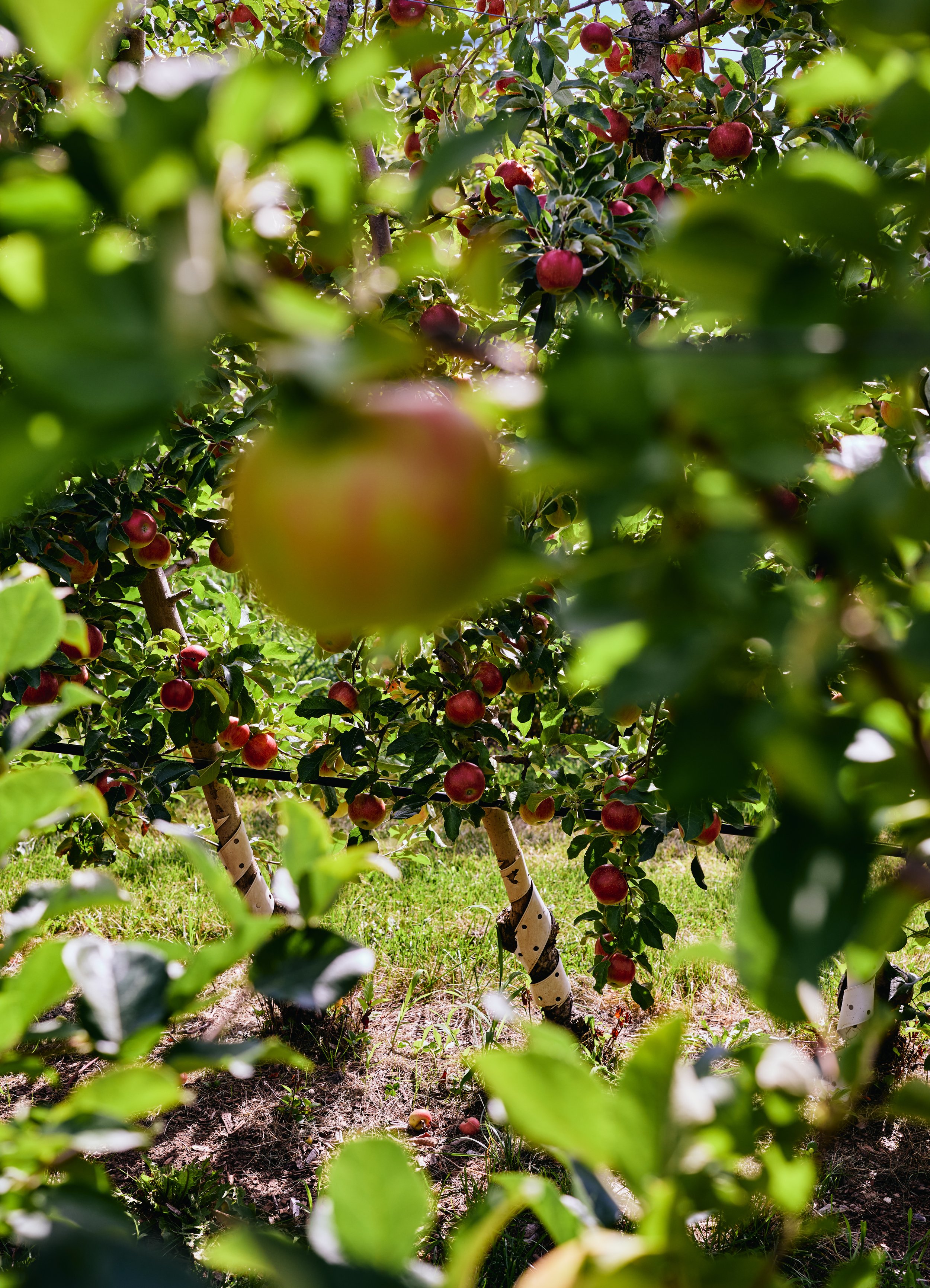
Apples are the farm’s biggest crop, with more than 30 varieties and new ones added every year. “It was nerve-wracking to rely on four to six weekends in the fall for most of the farm’s income,” says Andre. So, the family developed a plan to spread the risk, adding crops like strawberries that ripen in early summer, blueberries, blackberries and cherries in mid-summer (the farm is the biggest grower of cherries in New England) and new varieties of pumpkins that extend the pick-your-own season into late November.
Marketing the farm as an entertainment venue with special events has also attracted a wider base of customers. There’s a Jimmy Buffett Tribute on Labor Day weekend—Andre admits to being a Parrothead—and an Oktoberfest with German beer, pretzels and live music the following month. A holiday-themed weekend in December extended the farm’s open season with Santa’s workshop, fire pits for toasting marshmallows, and wagons decorated with lights to take families on farm tours. This past spring an Apple Blossom Festival with goodie bags for moms drew families to the farm over Mother’s Day weekend.
Andre notes that marketing, especially through social media, has been a focus for developing and maintaining a customer base. “We spend a lot of time on social media and people respond,” he says. “I love hearing from families that they came here as children and are now bringing their own children or grandchildren to Tougas Family Farm.”
Preserving the farm for future generations has also been part of the family’s plan. Within the first five years, Mo and Phyllis put the original 53 acres and another 30 acres they had acquired from a neighboring farm into Massachusetts’ Agricultural Preservation Restriction Program (APR). In 2001 they bought another adjacent farm and worked with the Sudbury Valley Trustees to conserve that land as well. In total, the Tougas family has preserved more than 100 acres of farmland in Central Massachusetts.
The family also developed a 10-year succession plan that turned over ownership to Andre in 2018. “We are so happy to be employees rather than owners,” says Phyllis, who handles bookkeeping and a host of other administrative duties, while Mo is still involved in farm management. “Our next big challenge is retirement.”
Their son is looking to a future that carries on the farm’s legacy. “I’m proud that we produce beautiful and flavorful fruit that has been enjoyed by generations of people,” Andre says. His children, now teenagers, have grown up working on the farm like their dad.
Just as his parents encouraged him to consider other careers, Andre and his wife Melissa have a similar attitude as they consider passing on the farm ownership to the next generation. “Farming is a seven-days-a-week job,” he says. Choosing the life of a farmer, Andre adds, “is up to them.”
tougasfamilyfarm.com // 234 Ball St., Northborough
FOR A GUIDE TO CENTRAL MASSACHUSETTS’ PICK-YOUR-OWN FARMS, CLICK HERE>>
This story appeared in the Fall 2026 issue.
